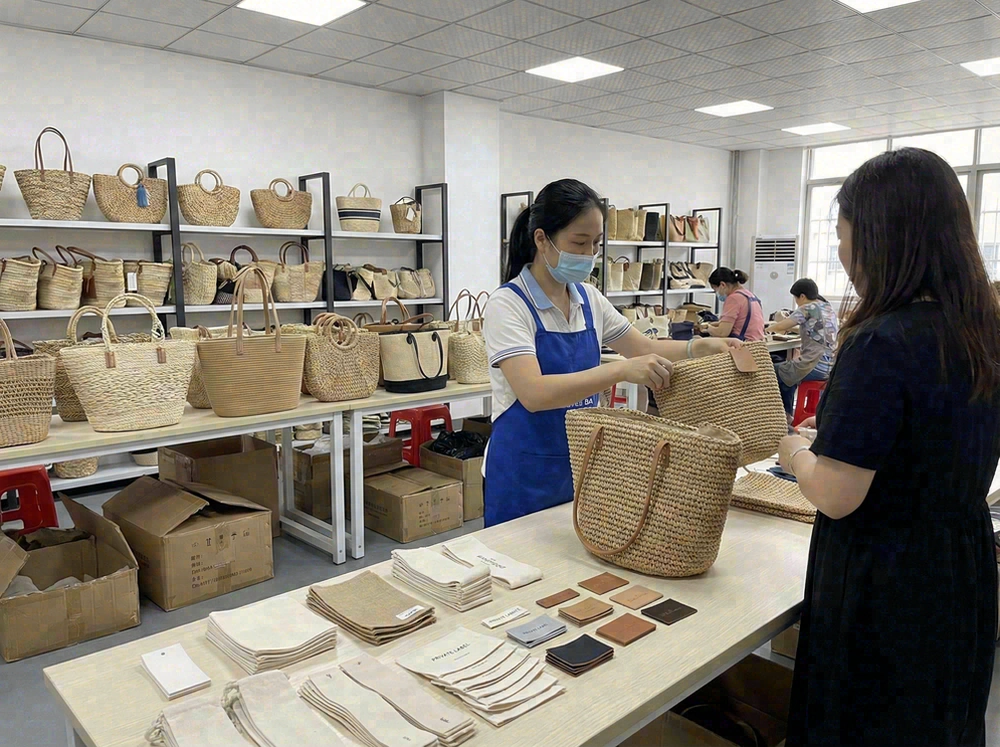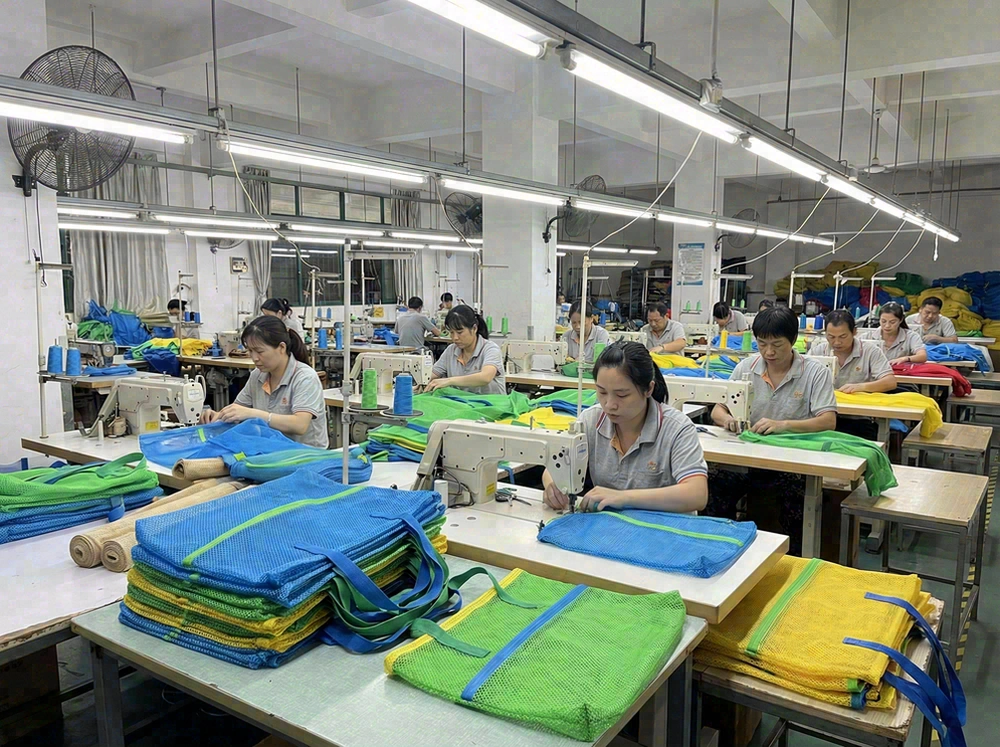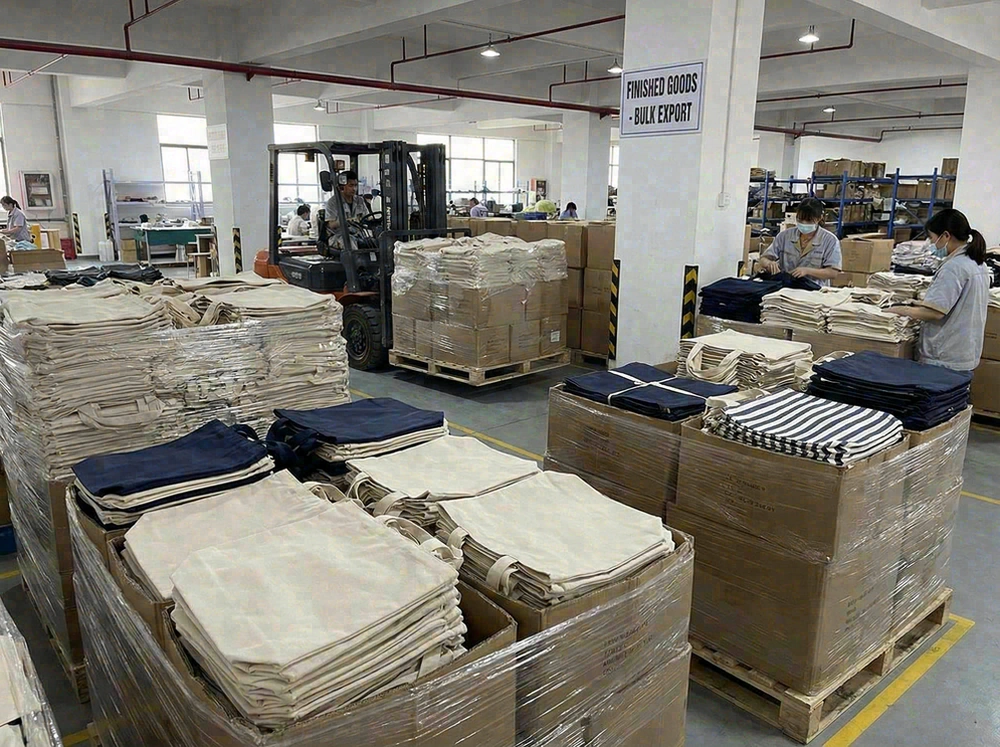
Sourcing beach bags from overseas manufacturers offers significant cost advantages—but also presents challenges that catch many buyers unprepared. After 24 years of manufacturing beach bags and working with buyers ranging from first-time importers to major retail chains, we've seen the patterns that separate successful sourcing relationships from costly mistakes.
This guide shares practical sourcing knowledge from the manufacturer's perspective: what suppliers actually look for in buyers, how MOQs and pricing really work, and the verification steps that protect your investment.
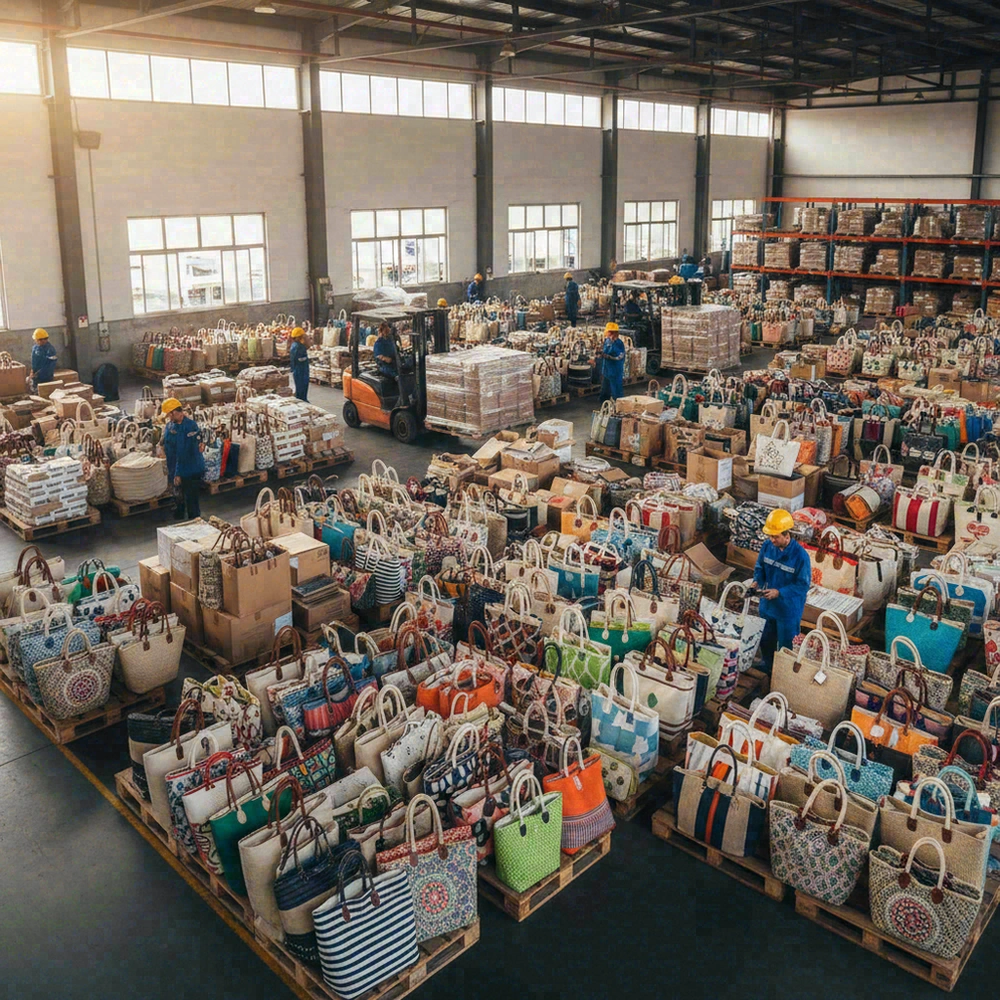
Quick Sourcing Reference
- Standard MOQ: 500-1000 units for stock designs; 1000-2000 for custom
- Price Range: $1.00-$8.00/unit depending on material and complexity
- Lead Time: 30-45 days production + 25-40 days ocean shipping
- Key Certifications: ISO 9001, BSCI, OEKO-TEX, GRS (for sustainability)
- Payment Terms: 30% deposit, 70% before shipping (standard for new buyers)
Understanding MOQ: What to Expect and How to Negotiate
Minimum Order Quantities exist for practical manufacturing reasons—but they're often more flexible than buyers realize. Understanding the logic behind MOQs helps you negotiate effectively.
Why MOQs Exist
Manufacturing beach bags involves setup costs that must be spread across units to maintain pricing:
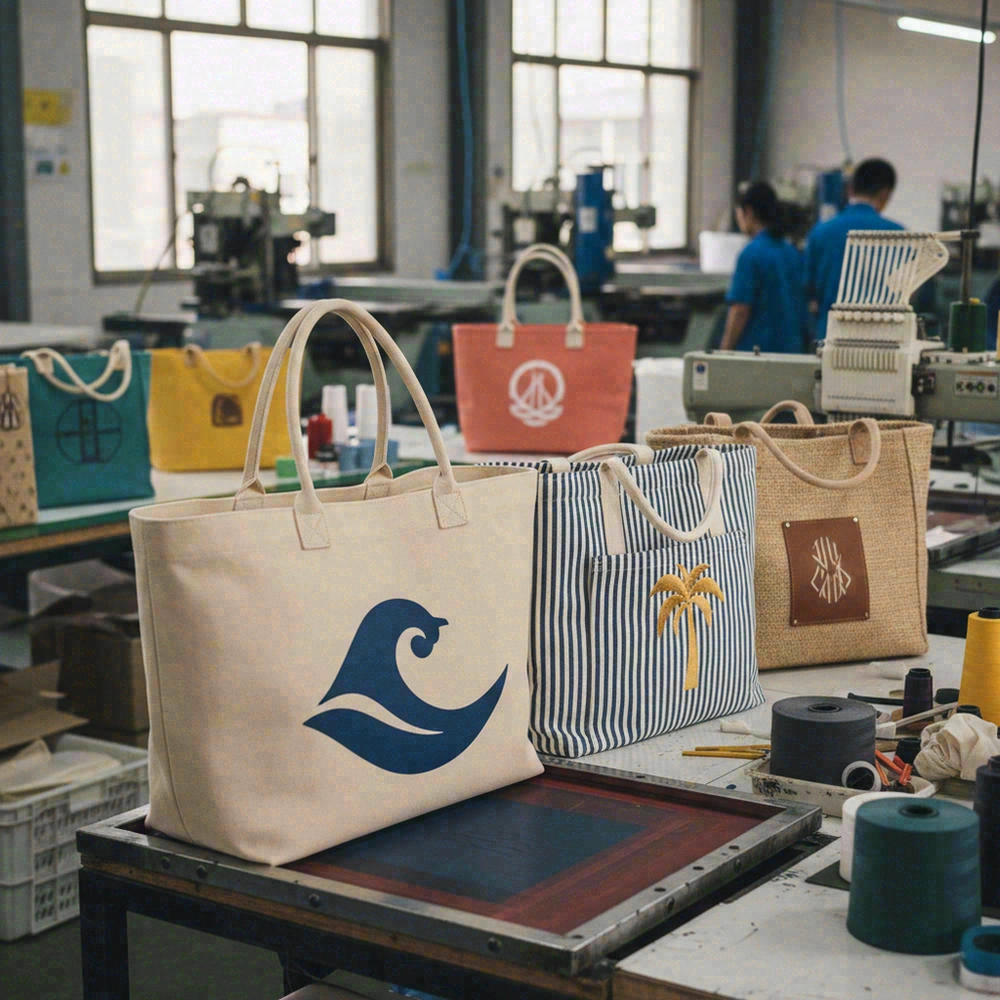
- Screen printing setup: Each color requires separate screen preparation
- Cutting patterns: Custom sizes require pattern development
- Material sourcing: Fabric suppliers have their own minimums
- Production scheduling: Small orders disrupt efficient workflow
Typical MOQ Ranges
| Order Type | Typical MOQ | Price Impact | Lead Time |
|---|---|---|---|
| Stock designs (existing) | 500-1000 units | Best pricing | 15-25 days |
| Custom logo on stock | 300-500 units | +10-15% | 20-30 days |
| Fully custom design | 1000-2000 units | Standard | 30-45 days |
| Below-MOQ exception | 200-300 units | +20-30% | 30-45 days |
Negotiation Strategies That Work
From our experience working with thousands of buyers, these approaches succeed most often:
- Start with stock designs: Demonstrate reliability with smaller orders before requesting custom work
- Combine styles: Order multiple designs to reach MOQ thresholds across your product line
- Accept higher pricing: Explicitly offer to pay premium for below-MOQ orders—this shows you understand manufacturing economics
- Commit to future orders: Provide a purchasing forecast; factories invest in relationships with growth potential
- Time orders strategically: Off-season orders (October-February) often get better MOQ flexibility
Pro Tip: First Order Strategy
For first orders, we recommend starting with 500-1000 units of proven stock designs. This demonstrates purchasing capability, allows you to test market response, and establishes your reliability as a buyer—all of which position you for better terms on future custom orders.
Key Factors for Supplier Selection
Choosing the right supplier matters more than finding the lowest price. A reliable supplier saves money through consistent quality, on-time delivery, and problem resolution.
Experience Indicators
- Years in business: Look for 5+ years minimum; 10+ years indicates stability
- Export experience: Verify experience shipping to your specific market
- Client references: Request contacts for buyers in similar industries
- Product specialization: Factories focused on bags typically deliver better quality than general merchandise producers
Production Capabilities
- In-house vs. outsourced: Factories controlling production deliver more consistent quality
- Equipment age: Modern machinery produces cleaner cuts and stitching
- Material sourcing: Established fabric supplier relationships ensure consistency
- Sample capability: Can they produce samples matching your specifications?
Certifications to Verify
Quality & Management
- ISO 9001: Quality management systems
- ISO 14001: Environmental management
Social Compliance
- BSCI: Business Social Compliance Initiative
- SEDEX: Ethical trade audit
Product Safety
- OEKO-TEX: Textile chemical safety
- REACH: EU chemical compliance
Sustainability
- GRS: Global Recycled Standard
- GOTS: Organic textile standard
Supplier Verification Checklist
Before committing to any supplier, complete this verification process. Skipping steps creates risk that often exceeds any price savings.
Pre-Order Verification
Verification Checklist
- Business license verification: Request and verify registration documents
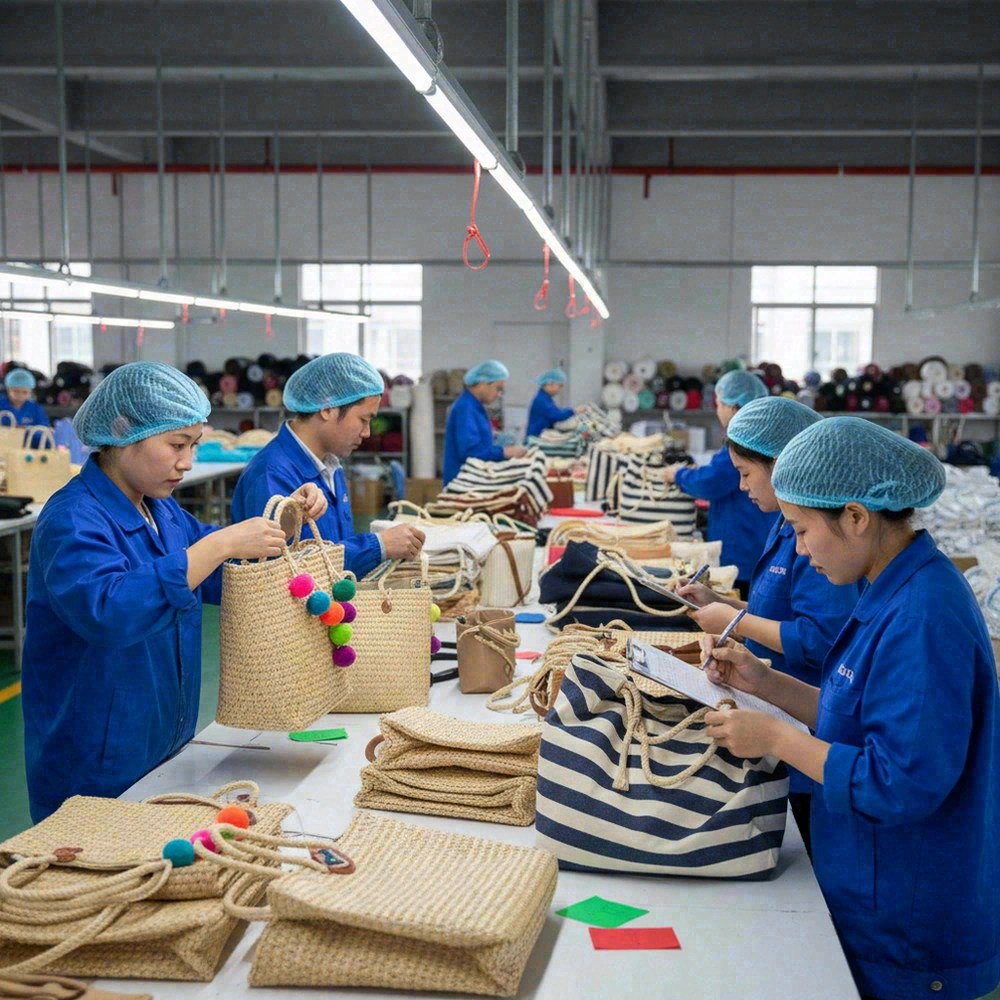
- Factory photos/video: Current images of production facility (not stock photos)
- Sample order: Evaluate quality before production commitment
- Reference check: Contact 2-3 existing customers
- Certification copies: Verify certifications are current (not expired)
- Video call: Speak with sales contact and request facility tour
- Third-party inspection: Arrange pre-shipment inspection for first orders
Red Flags to Watch For
Warning Signs
- Prices significantly below market rates (often indicates quality shortcuts)
- Reluctance to provide factory photos or video calls
- Expired or unverifiable certifications
- Pressure to skip sample approval
- Insistence on full payment upfront (standard is 30/70 split)
- Communication delays exceeding 24-48 hours
- Inability to provide customer references
Material Quality Assessment
Sample evaluation determines whether production quality will meet your standards. Thorough sample review prevents costly problems.
Sample Evaluation Criteria
Materials
- Fabric weight matches specifications (verify with scale)
- Color consistency across sample pieces
- Material hand-feel matches expectations
- No chemical odors (indicates low-quality materials or finishes)
Construction
- Stitch count per inch (higher = stronger)
- Seam alignment and straightness
- Handle attachment reinforcement
- Zipper operation (smooth, no catching)
- Hardware quality (weight, finish, function)
Print/Branding
- Color accuracy against PMS specifications
- Print adhesion (scratch test)
- Registration alignment
- Edge sharpness and clarity
Pro Tip: Stress Testing
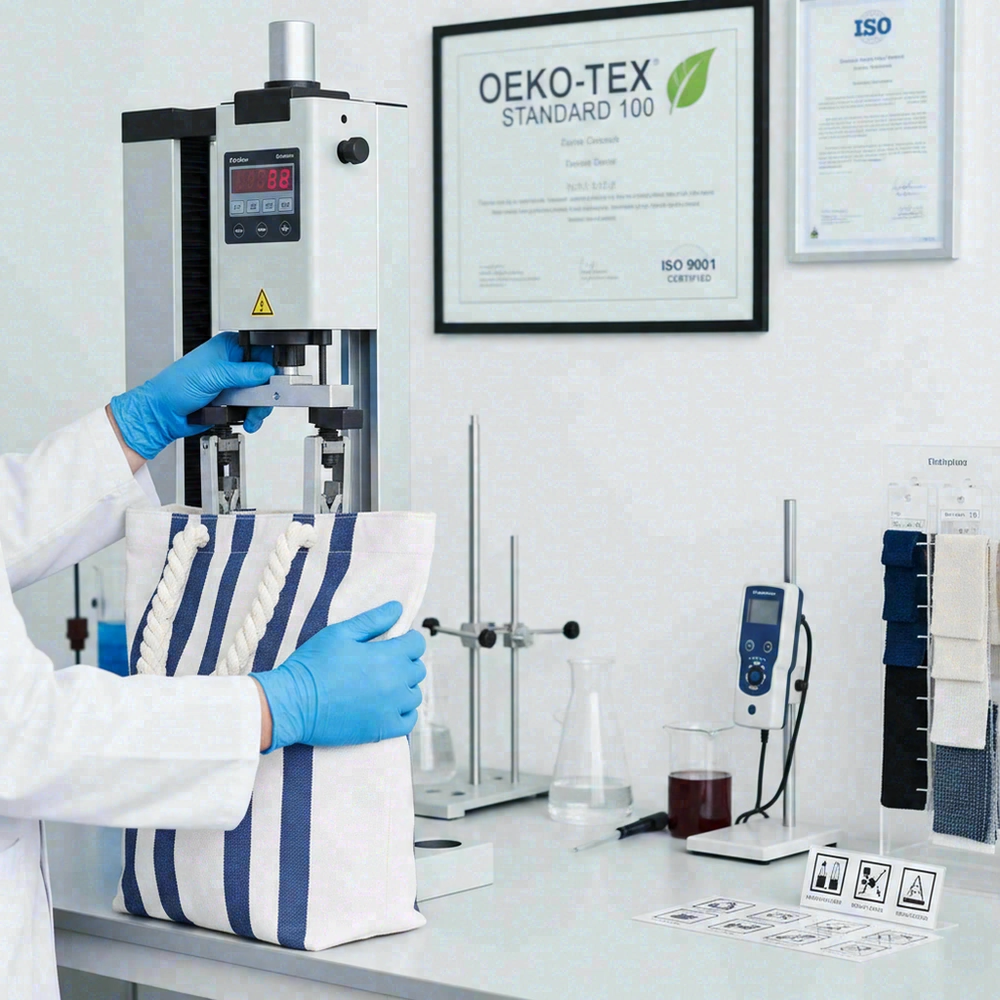
Before approving samples, simulate actual use. Load the bag to expected capacity. Pull handles firmly. Open/close zippers 20+ times. Wash if material allows. This testing reveals weaknesses that visual inspection misses.

Understanding Pricing Structure
Beach bag pricing reflects multiple cost components. Understanding this structure helps you evaluate quotes accurately and negotiate effectively.
Cost Components
| Component | % of Total | Variables |
|---|---|---|
| Materials | 40-50% | Fabric type, weight, hardware quality |
| Labor | 25-35% | Complexity, stitch count, features |
| Printing/Customization | 5-15% | Method, colors, coverage area |
| Overhead | 10-15% | Factory costs, management |
| Margin | 5-10% | Factory profit |
Price Ranges by Material
- Basic mesh bags: $1.00-$2.50/unit
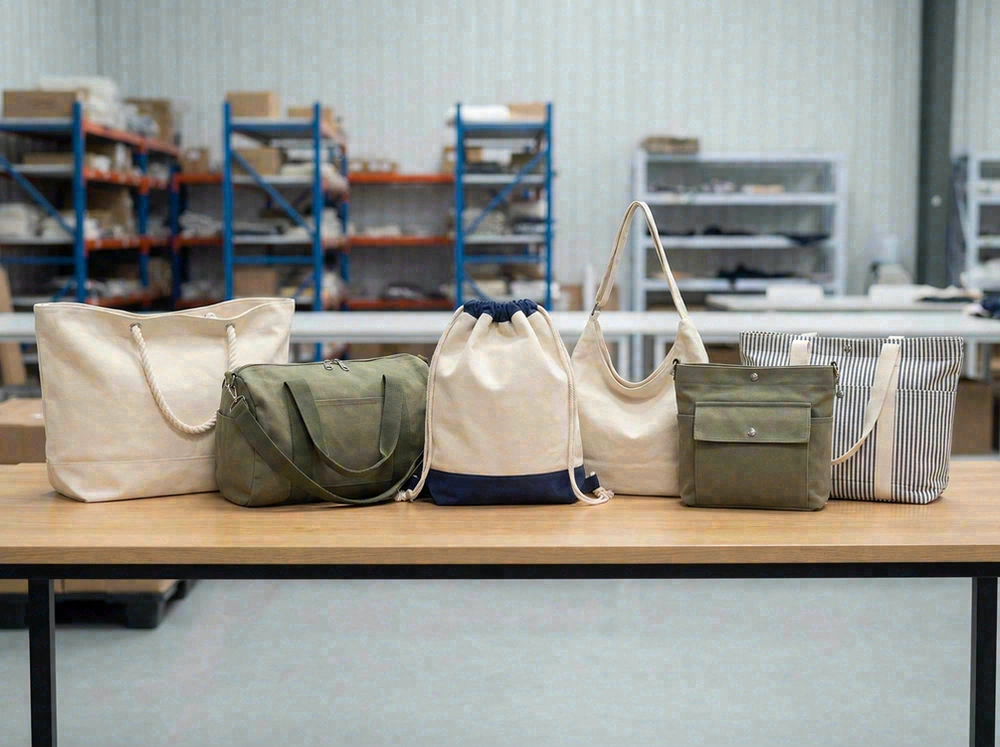
- Standard canvas totes: $2.50-$5.00/unit
- Insulated/cooler bags: $4.00-$8.00/unit
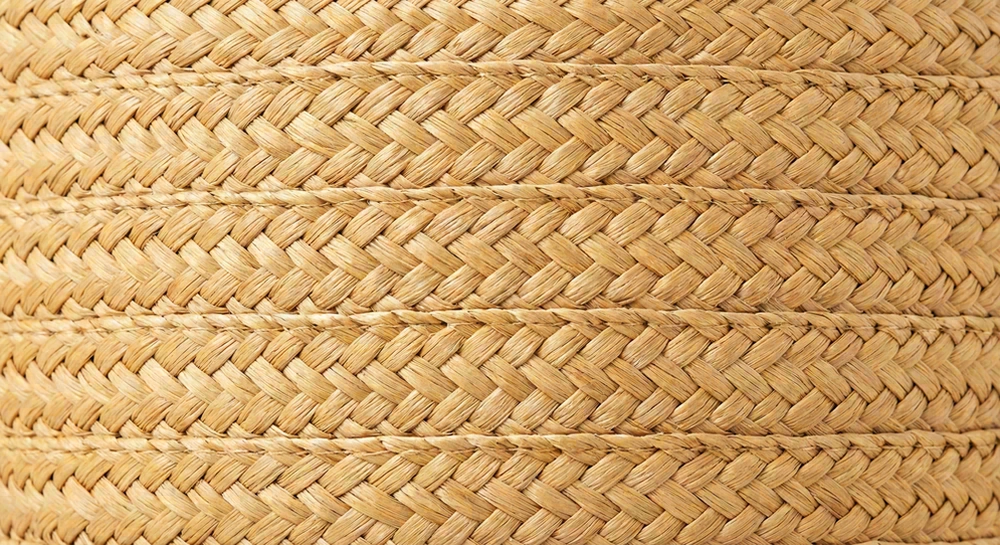
- Straw/raffia bags: $4.00-$8.00/unit
- EVA waterproof bags: $3.00-$6.00/unit
- Premium/complex designs: $6.00-$12.00+/unit
Key Insight: Price vs Value
The lowest quote rarely represents the best value. Cheap pricing often indicates material substitution, construction shortcuts, or quality control gaps. These issues create returns, customer complaints, and reorder costs that exceed initial savings. Compare quotes for equivalent specifications, not just price.
Communication Best Practices
Effective communication prevents misunderstandings that lead to production errors. These practices improve outcomes regardless of supplier location.
Documentation Standards
- Written specifications: Document every detail in writing (never rely on verbal agreements)
- Visual references: Provide photos, sketches, and color swatches
- Measurement units: Specify metric or imperial and confirm understanding
- Approval documentation: Written confirmation of samples before production
Communication Timing
- Time zones: China is GMT+8; schedule calls accordingly
- Response expectations: Allow 24-48 hours for complex questions
- Production updates: Request regular progress reports with photos
- Issue escalation: Establish contact hierarchy for urgent matters
Language Considerations
- Use simple, direct sentences
- Avoid idioms and colloquialisms
- Confirm understanding by requesting response summary
- Number requests for easy reference
Quality Assurance: Inspection and Testing
Quality control during and after production protects your investment. Don't rely solely on supplier's internal QC.
Inspection Types
Inline Inspection (During Production)
- Catches issues early when correction is possible
- Verifies materials match approved samples
- Typically at 20-30% completion
Pre-Shipment Inspection (Final)
- Random sampling per AQL standards
- Full specification verification
- Packaging and labeling check
- Typically at 80%+ completion
Third-Party Inspection Services
For significant orders, third-party inspection provides independent verification:
- Cost: $250-$400 per inspection day
- Providers: SGS, Bureau Veritas, Intertek, Asia Inspection
- Recommended for: First orders, orders over $10,000, complex specifications
Common Sourcing Mistakes and How to Avoid Them
These mistakes appear repeatedly in buyer-supplier relationships. Avoiding them saves significant money and frustration.
1. Prioritizing Price Over Relationship
The mistake: Constantly switching suppliers for marginal price differences.
Why it fails: Quality consistency requires relationship investment. New suppliers need time to understand your standards.
Better approach: Develop 2-3 qualified suppliers and build long-term partnerships.
2. Skipping Sample Approval
The mistake: Approving production based on photos or rushing past sample stage.
Why it fails: Photos don't reveal material quality, construction details, or color accuracy.
Better approach: Always order and physically evaluate samples before production approval.
3. Unclear Specifications
The mistake: Providing vague requirements or assuming suppliers will interpret intentions correctly.
Why it fails: Different interpretations lead to products that don't match expectations.
Better approach: Document every specification in writing with visual references.
4. Ignoring Lead Time Reality
The mistake: Expecting rush delivery without premium payment or placing orders too late for seasonal needs.
Why it fails: Production schedules can't be compressed beyond practical limits.
Better approach: Plan orders 3-4 months ahead; accept that rush orders cost more.
5. No Payment Protection
The mistake: Paying 100% upfront to unverified suppliers or using untraceable payment methods.
Why it fails: No leverage if problems occur; difficult to recover funds.
Better approach: Standard terms (30/70 split), escrow services, or letter of credit for large orders.
Building Long-Term Supplier Relationships
The best sourcing outcomes come from established relationships where both parties invest in mutual success.
What Suppliers Value in Buyers
- Clear communication: Complete specifications, timely responses
- Reliable payment: On-time payments build trust
- Reasonable expectations: Understanding of production realities
- Growth potential: Suppliers invest in buyers with increasing volume
- Professional conduct: Respectful communication, even when issues arise
Relationship Benefits
Long-term supplier relationships deliver tangible advantages:
- Priority production scheduling during peak seasons
- More flexibility on MOQs and payment terms
- Better pricing through efficiency gains
- Proactive quality control and issue prevention
- Access to new designs and materials first
Frequently Asked Questions
How do I find reliable beach bag suppliers?
Start with trade shows (Canton Fair, MAGIC Las Vegas), online platforms (Alibaba, Global Sources), and industry referrals. Verify suppliers through sample orders, reference checks, and third-party inspections before committing to production orders.
What's the typical lead time for custom beach bags?
Expect 30-45 days for production after sample approval, plus 25-40 days for ocean shipping. Air freight reduces shipping to 7-10 days but adds significant cost. Total timeline from order to delivery typically runs 8-12 weeks.
Can I visit factories before ordering?
Yes, factory visits are encouraged and professional suppliers welcome them. Schedule visits during normal production hours to see actual operations. Consider video tours if travel isn't feasible.
How do I handle quality issues after delivery?
Document issues with photos immediately upon receipt. Contact the supplier with specific details and proposed resolution. Professional suppliers address legitimate quality issues; unclear specifications or buyer-caused problems may not warrant compensation.
Should I use a sourcing agent?
Sourcing agents help buyers unfamiliar with overseas manufacturing, handling supplier identification, communication, and quality control. They add 5-15% to costs but reduce risk for new importers. As you gain experience, direct factory relationships often prove more efficient.
What payment methods are safest?
Standard payment is 30% deposit via T/T (wire transfer), with 70% balance before shipping. For larger orders or new relationships, consider escrow services (Alibaba Trade Assurance) or letters of credit. PayPal offers buyer protection but adds fees.
Conclusion: Starting Your Sourcing Journey
Successful beach bag sourcing balances cost efficiency with relationship quality. The suppliers who deliver consistent quality, communicate clearly, and solve problems professionally provide value that transcends unit pricing.
Key takeaways for successful sourcing:
- Verify suppliers thoroughly before committing orders
- Start with smaller orders to establish relationships
- Document specifications completely and in writing
- Plan lead times realistically (3-4 months minimum)
- Invest in quality control through samples and inspections
- Build long-term partnerships with 2-3 qualified suppliers
At Clanbag, we've been manufacturing beach bags for global buyers since 2001. Our factory in Shandong province combines 24 years of production experience with modern facilities and international certifications. We welcome factory tours, sample requests, and sourcing consultations.
Ready to source beach bags directly from an experienced manufacturer? Contact us for factory information, samples, and competitive quotations.