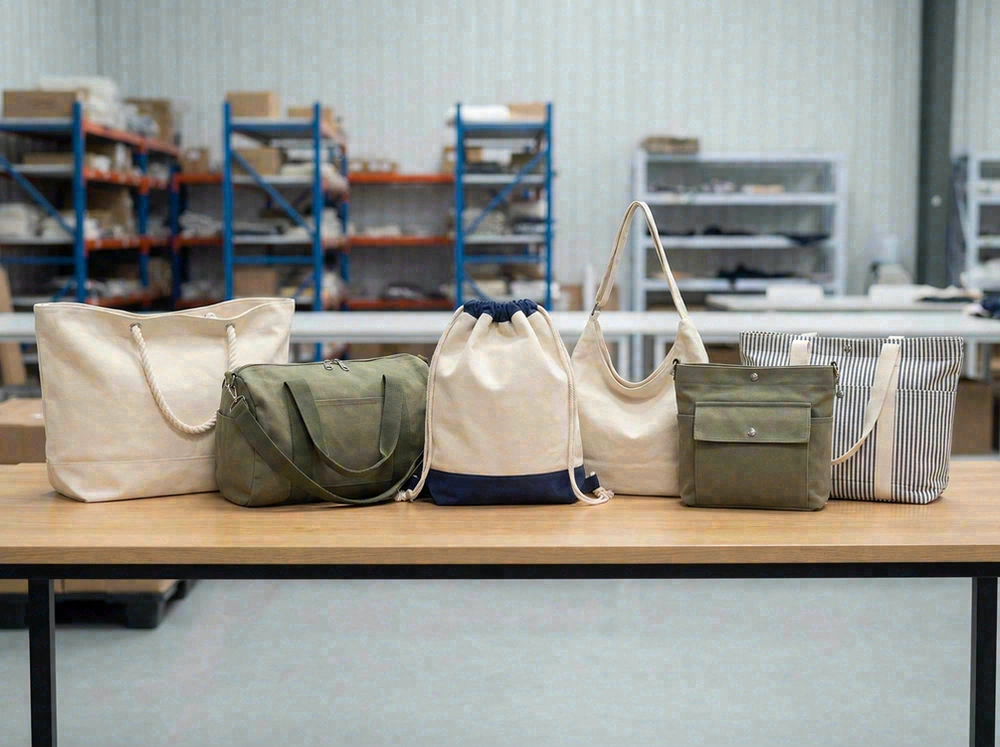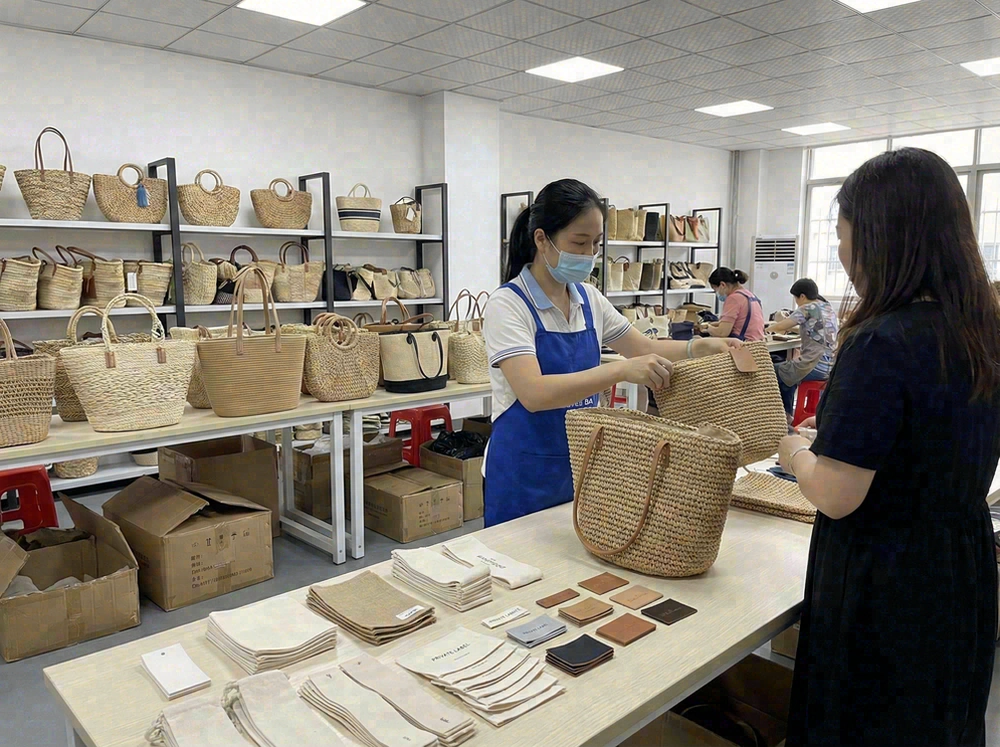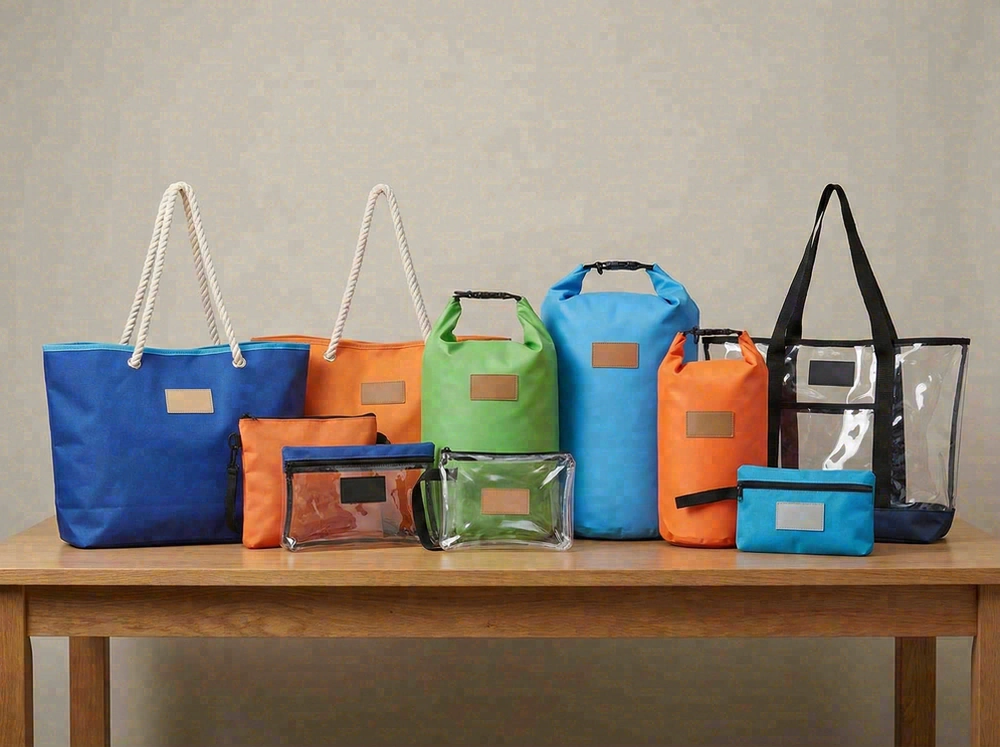
In our 24 years of manufacturing beach bags in Shandong, we've watched trends come and go—but 2025 feels different. The convergence of sustainability demands, functional innovation, and shifting consumer preferences is reshaping how B2B buyers need to think about their product lines.
Whether you're a brand owner planning your summer collection, a promotional products company sourcing corporate giveaways, or a retailer stocking for the peak season, understanding these trends isn't optional—it's essential for staying competitive.
This guide breaks down what we're seeing from the factory floor and what our global buyers are requesting, giving you actionable insights to inform your 2025 sourcing decisions.
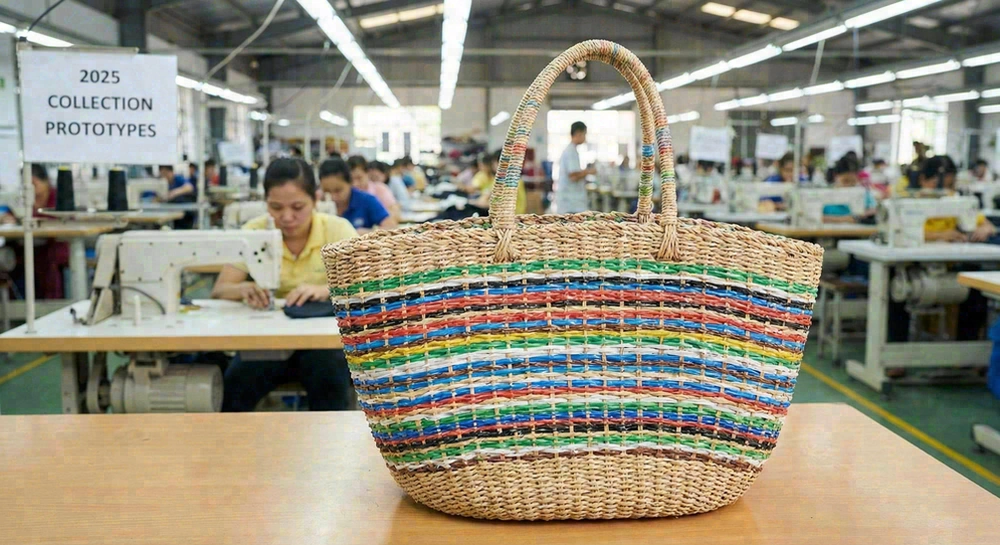
Executive Summary
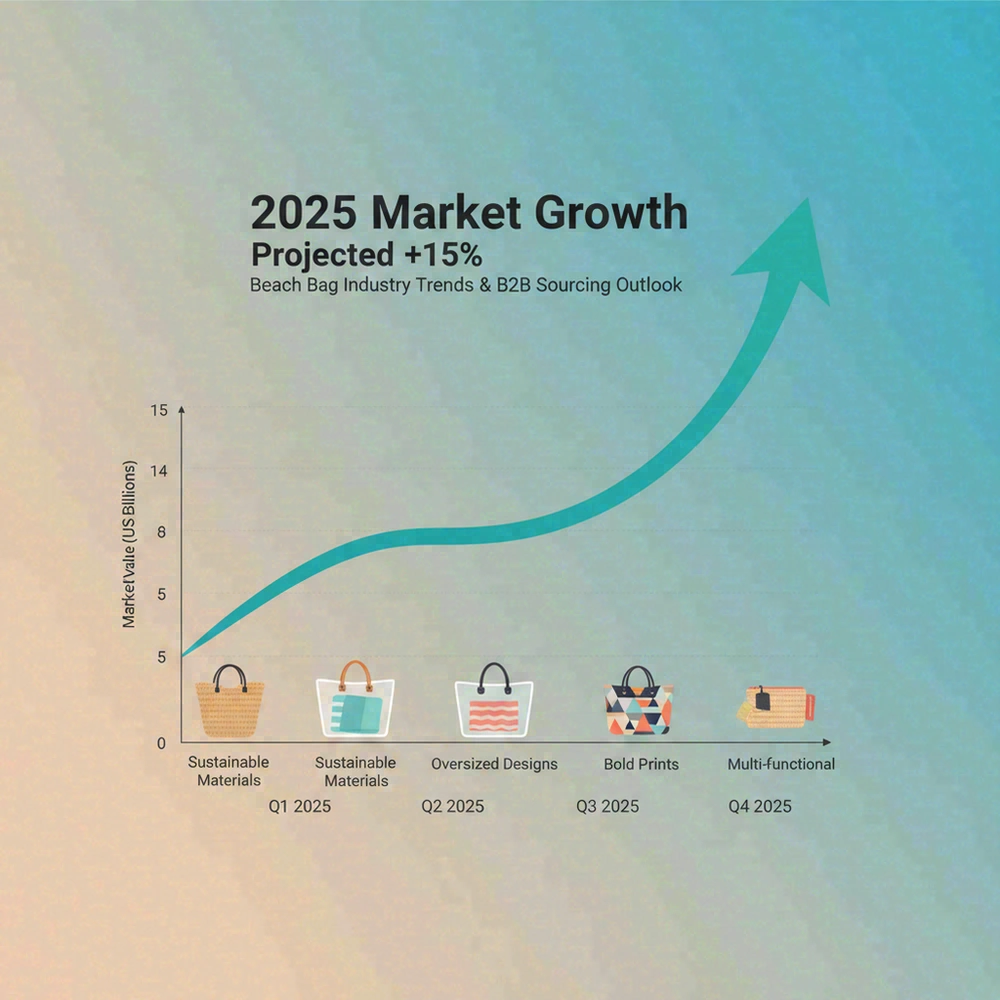
- Market Growth: The tote bag market is projected to reach $6.94 billion in 2025, with canvas segments growing at 6.3% CAGR
- Sustainability Surge: Sustainable materials will account for 30% of the tote bag market; 66% of consumers will pay more for eco-friendly options
- Top Trends: Oversized totes, waterproof EVA/silicone, natural fibers (straw, raffia, jute), and multi-functional designs dominate
- B2B Opportunity: Wholesale pricing ranges $2.85-$6.86/unit; peak ordering window is March-April for summer delivery
- Regional Focus: US leads (35% market share), followed by emerging opportunities in Australia and Middle East beach destinations
Market Overview: Beach Bag Industry in 2025
The global beach bag market continues its upward trajectory, driven by increased leisure travel, the athleisure lifestyle movement, and growing consumer awareness of product quality. For B2B buyers, understanding the market dynamics helps justify inventory investments and identify growth opportunities.
Key Market Figures
The tote bag market—which encompasses beach bags as a major category—is projected to reach $6.94 billion in 2025. Within this, the canvas segment shows particularly strong growth at 6.3% CAGR, reflecting consumer preference for durable, versatile materials.
E-commerce channels continue to outpace traditional retail, with online sales expected to grow at 6.8% CAGR through 2029. This shift has significant implications for B2B buyers: your retail partners increasingly need products optimized for online presentation and shipping efficiency.
Pro Tip: Seasonal Planning
Search interest for "beach tote bags" peaks at 93/100 in June, but inventory orders should be placed by March-April to ensure summer delivery. We've found that buyers who order in Q1 get better pricing and avoid production bottlenecks.
Regional Market Insights
The US dominates the beach bag market with approximately 35% share, followed by India (10%) and Australia (9%). However, we're seeing accelerating demand from:
- Middle East beach destinations: Dubai, Abu Dhabi, and Saudi Arabia's new Red Sea developments are driving premium beach bag demand
- European coastal markets: Mediterranean tourism recovery is boosting orders from Spain, Italy, and Greece-based retailers
- Southeast Asian resorts: Thailand, Vietnam, and Indonesia hotel chains are increasingly sourcing custom beach bags for guest amenities
Top Material Trends for 2025
Material selection drives both product appeal and manufacturing complexity. Here's what we're producing most—and why these materials are trending.
Waterproof Materials: EVA and Silicone
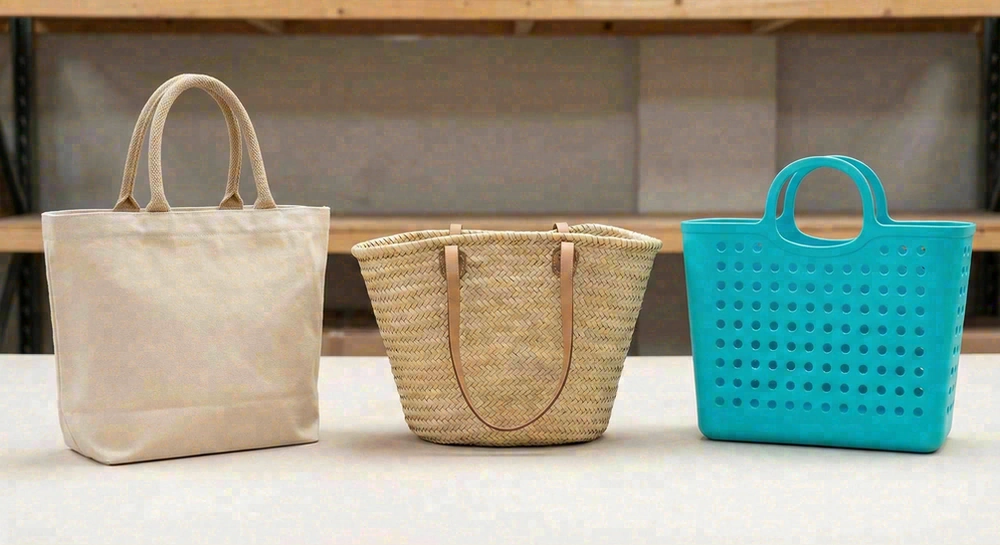
Waterproof beach bags have moved from niche to mainstream. EVA (ethylene-vinyl acetate) and silicone-based bags offer the functionality consumers demand while providing excellent customization options for B2B buyers.
Why they're trending: Consumer feedback shows "waterproof" as a top-5 desired feature (6.3% of positive reviews mention it specifically). These materials also photograph well for e-commerce—a critical consideration for your retail partners.
Manufacturing consideration: EVA bags require different production equipment than fabric bags. If you're considering this category, work with manufacturers who have dedicated EVA production lines to ensure quality consistency.
Natural Fibers: Straw, Raffia, and Jute
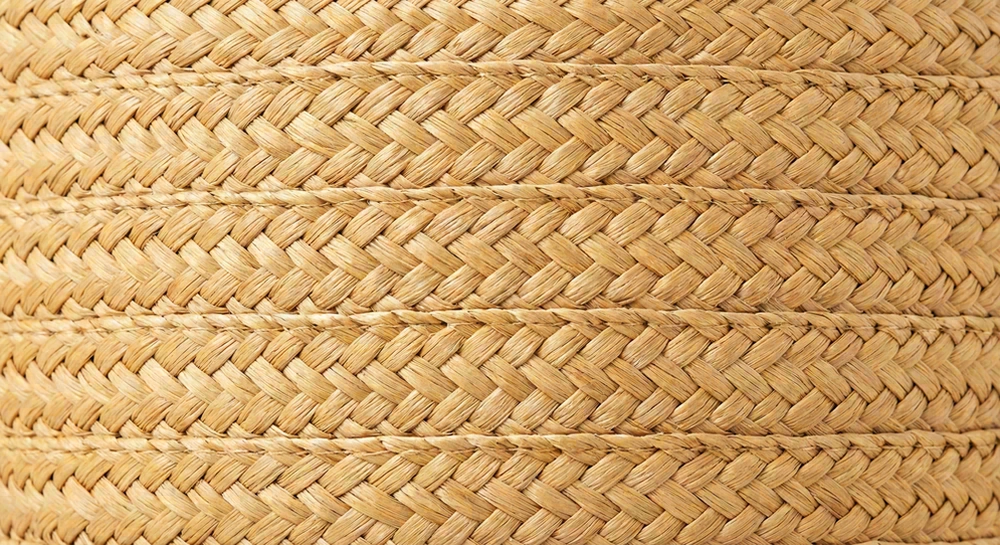
The natural fiber trend shows no signs of slowing. Straw and raffia bags dominate summer fashion coverage, from high-end designers like Loewe and Chloé down to mass-market retailers.
B2B advantage: Natural fiber bags command premium pricing. While wholesale costs are higher ($4.50-$8.00/unit versus $2.50-$4.00 for basic canvas), retail margins are typically stronger.
Quality consideration: Natural fibers vary significantly in quality. We've found that paper straw and seagrass offer the best balance of aesthetics, durability, and cost. True raffia is beautiful but prone to breakage—consider blended materials for better performance.
Sustainable and Recycled Materials
Sustainability isn't just a buzzword—it's becoming a purchasing requirement. The sustainable bags market grew from $3.4 billion in 2023 and is projected to reach $9.5 billion by 2033. Recycled plastic fabrics alone are growing at 8.5% CAGR.
Key sustainable materials we're seeing increased demand for:
- rPET (recycled polyethylene terephthalate): Made from post-consumer plastic bottles, excellent for promotional bags
- Organic cotton: GOTS-certified options for eco-conscious brands
- Recycled canvas: Combines durability with sustainability credentials
- Plant-based alternatives: Apple leather, pineapple leather (Piñatex), and cactus leather are emerging for premium lines
Key Insight: The 66% Factor
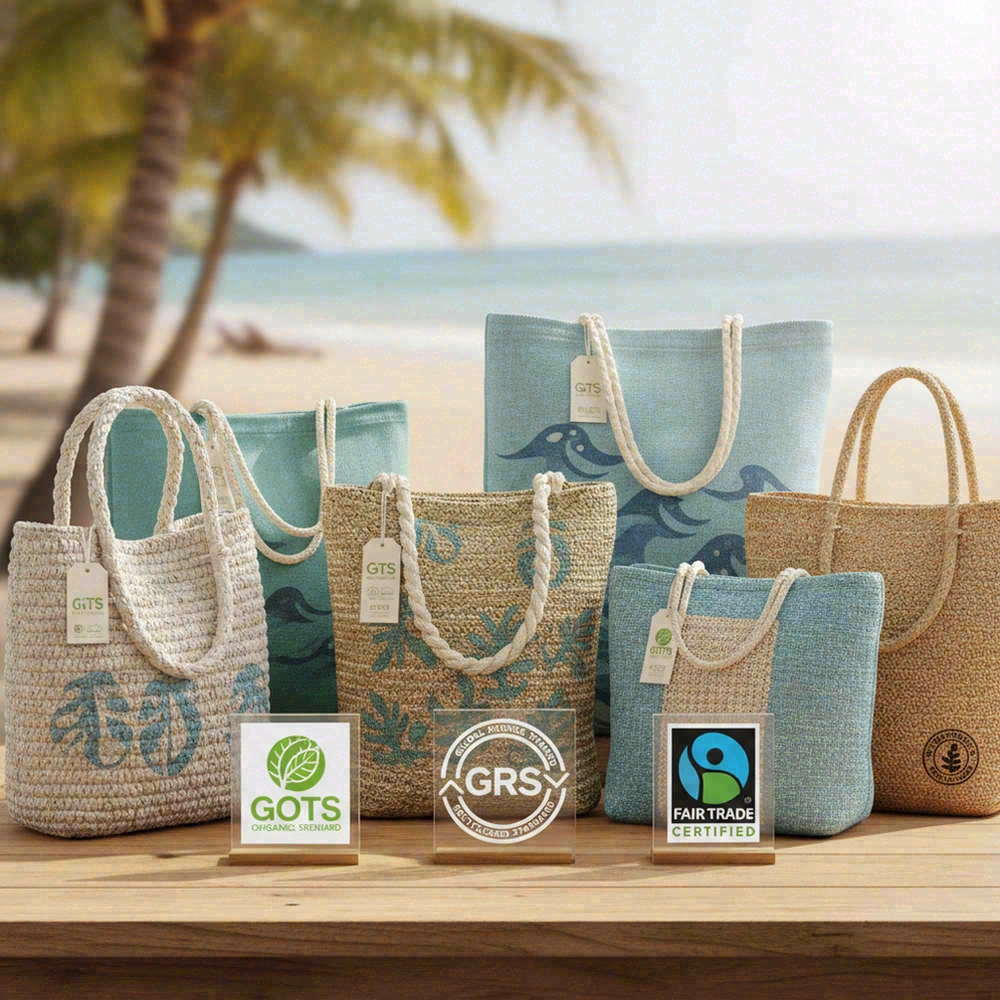
Research indicates 66% of consumers would pay more for sustainable brands. However, "sustainable" claims require verification. Ensure your supplier can provide material certifications (GOTS, GRS, OEKO-TEX) to support your marketing claims.
Canvas: The Reliable Workhorse
Despite the excitement around new materials, canvas remains the highest-volume category. The canvas segment's 6.3% CAGR reflects its versatility, durability, and excellent printability for custom branding.
What's new in canvas: We're seeing increased demand for heavier weights (12oz-16oz) and organic cotton canvas. Waxed canvas is also gaining traction for its water-resistant properties and premium look.
Design Trends Dominating 2025
Beyond materials, design trends are shaping what consumers want and what B2B buyers need to stock.
Oversized Beach Totes
Bigger is definitively better in 2025. Oversized beach bags—capable of holding towels, sunscreen, books, snacks, and more—dominate consumer preferences. Search data confirms "spacious" is the #1 positive attribute mentioned in reviews (27.2%).
Specifications trending: Bags measuring 20"+ wide and 15"+ tall, with reinforced bases and multiple interior pockets. Think "beach day command center" rather than simple tote.
Multi-Functional and Convertible Designs
Consumers increasingly demand bags that work beyond the beach. Convertible styles that transform from tote to crossbody or backpack are showing strong growth—crossbody bags saw 57% sales growth in June 2025.
B2B opportunity: Multi-functional designs justify premium pricing and expand your target market beyond beach-specific retail. Hotel gift shops, travel retailers, and lifestyle boutiques all become potential customers.
Mesh and Transparent Designs
Mesh beach bags continue their popularity for practical reasons: sand falls through, contents dry quickly, and the lightweight construction appeals to travelers. Transparent/clear bags are also trending, driven partly by venue security requirements at stadiums and festivals.
Bold Patterns and Personalization
While solid colors remain bestsellers for promotional products, consumer retail is embracing bold patterns, tropical prints, and personalization options. Monogramming and custom embroidery services are increasingly requested by boutique retailers.
Functionality Features B2B Buyers Should Prioritize
Consumer feedback data reveals specific features that drive satisfaction—and complaints that drive returns. Here's what to prioritize when sourcing.
Features That Delight Customers
- Spacious main compartment (27.2% of positive mentions)
- Waterproof or water-resistant materials (6.3%)
- Durable construction (6.6%)
- Insulated pockets for beverages and snacks
- Dedicated wet/dry compartments
- Reinforced handles with comfortable grip
Pain Points to Avoid
Consumer complaint data highlights issues that lead to negative reviews and returns:
- Smell issues (28.9% of negative reviews)—particularly problematic with low-quality PVC and EVA
- Poor overall quality (23.6%)—often related to thin materials and weak stitching
- Lack of inner lining (13.2%)—unlined bags show wear quickly
- Zipper problems (10.8%)—cheap zippers fail under beach conditions
Pro Tip: Quality Investment
The wholesale price difference between a bag with quality YKK zippers and one with generic hardware might be $0.30-$0.50/unit. That investment dramatically reduces returns and protects your brand reputation. Always request samples with production-quality hardware before committing to orders.
Sustainability as Competitive Advantage
Sustainability has evolved from nice-to-have to competitive necessity. Here's how to leverage it effectively.
The Business Case for Sustainable Beach Bags
Beyond consumer preference (66% willing to pay more), sustainability offers tangible business benefits:
- Retail partner requirements: Major retailers increasingly mandate sustainability credentials from suppliers
- Premium positioning: Certified sustainable products command 15-30% price premiums
- Brand differentiation: In a crowded market, verified sustainability claims create meaningful differentiation
- Corporate client demand: ESG-focused companies require sustainable promotional products
Certifications That Matter
Not all sustainability claims are equal. The certifications that carry weight with consumers and retailers include:
- GOTS (Global Organic Textile Standard): For organic cotton products
- GRS (Global Recycled Standard): For recycled content verification
- OEKO-TEX Standard 100: For chemical safety testing
- FSC (Forest Stewardship Council): For paper and wood-based materials
When sourcing, request certification documentation upfront. Reputable manufacturers maintain current certifications and can provide chain-of-custody documentation.
Regional Market Preferences
Beach bag preferences vary significantly by market. Understanding regional nuances helps optimize your product selection.
United States (35% Market Share)
The US market favors oversized, functional designs. Canvas and woven materials perform well. Sustainability credentials are increasingly important, particularly for West Coast and Northeast markets. Personalization and monogramming options drive boutique sales.
Europe (Mediterranean Focus)
European consumers lean toward natural materials—straw, raffia, and jute. Design aesthetics prioritize elegance over utility. Smaller, more refined sizes sell better than oversized American-style totes. OEKO-TEX certification is particularly valued.
Australia (9% Market Share)
Australian buyers prioritize sun protection and durability. Waterproof materials perform exceptionally well. The market shows strong preference for practical features like insulated compartments and sand-resistant designs.
Middle East (Emerging Growth)
Premium positioning dominates in UAE and Saudi Arabia. Luxury materials and designer-inspired aesthetics sell well. Custom branding for hotel and resort programs represents significant opportunity.
Capitalizing on Trends: Sourcing Timeline for 2025
Timing your orders correctly maximizes both product availability and pricing leverage.
Recommended Timeline
| Timeframe | Action | Why It Matters |
|---|---|---|
| January-February | Finalize designs, request samples | Best pricing, full production capacity available |
| March-April | Place production orders | Ensures May-June delivery for summer peak |
| May-June | Receive inventory, launch marketing | Search interest peaks; maximize sales window |
| July-August | Peak selling season | Waterproof totes average 833 units/month |
| September-October | Review performance, plan next year | Early trend identification for 2026 |
Frequently Asked Questions
What are the most popular beach bag materials in 2025?
The top materials for 2025 are canvas (for durability and customization), EVA and silicone (for waterproof functionality), and natural fibers like straw, raffia, and jute (for eco-conscious and fashion-forward consumers). Recycled materials including rPET are rapidly growing in popularity, especially for promotional products.
What is the minimum order quantity for custom beach bags?
MOQs vary by material and customization level. Basic canvas totes typically start at 300-500 units. Natural fiber bags like straw may have higher MOQs (500-1000) due to production complexity. For highly customized designs with multiple colors or special features, expect MOQs of 1000+ units for optimal pricing.
How far in advance should I place orders for summer inventory?
For summer selling season (June-August), place production orders by March-April. This allows 8-12 weeks for production plus 4-6 weeks for shipping. Earlier orders (January-February) typically secure better pricing and ensure full production capacity availability.
What certifications should I look for in sustainable beach bags?
Key certifications include GOTS (Global Organic Textile Standard) for organic cotton, GRS (Global Recycled Standard) for recycled content, and OEKO-TEX Standard 100 for chemical safety. These certifications provide verified claims you can use in marketing and satisfy retailer sustainability requirements.
What features drive the most positive customer reviews?
According to consumer feedback analysis, the top features are: spacious design (27.2% of positive mentions), stylish appearance (20.5%), durability (6.6%), and waterproof capability (6.3%). Investing in these features reduces returns and builds customer loyalty.
What quality issues cause the most returns and complaints?
The biggest complaint drivers are smell issues (28.9% of negative reviews), overall poor quality (23.6%), lack of inner lining (13.2%), and zipper failures (10.8%). Work with manufacturers who address these issues through material quality control and proper hardware selection.
Conclusion: Positioning for 2025 Success
The beach bag market in 2025 offers significant opportunities for B2B buyers who understand and act on emerging trends. The convergence of sustainability demands, functional innovation, and regional market growth creates multiple paths to success.
Key takeaways for your 2025 strategy:
- Prioritize sustainable materials—30% of the market by 2025 isn't a trend, it's the new baseline
- Invest in quality hardware and construction to minimize return rates and protect margins
- Consider regional preferences when building your product assortment
- Order early (Q1) for best pricing and guaranteed summer delivery
- Request certifications upfront to support marketing claims
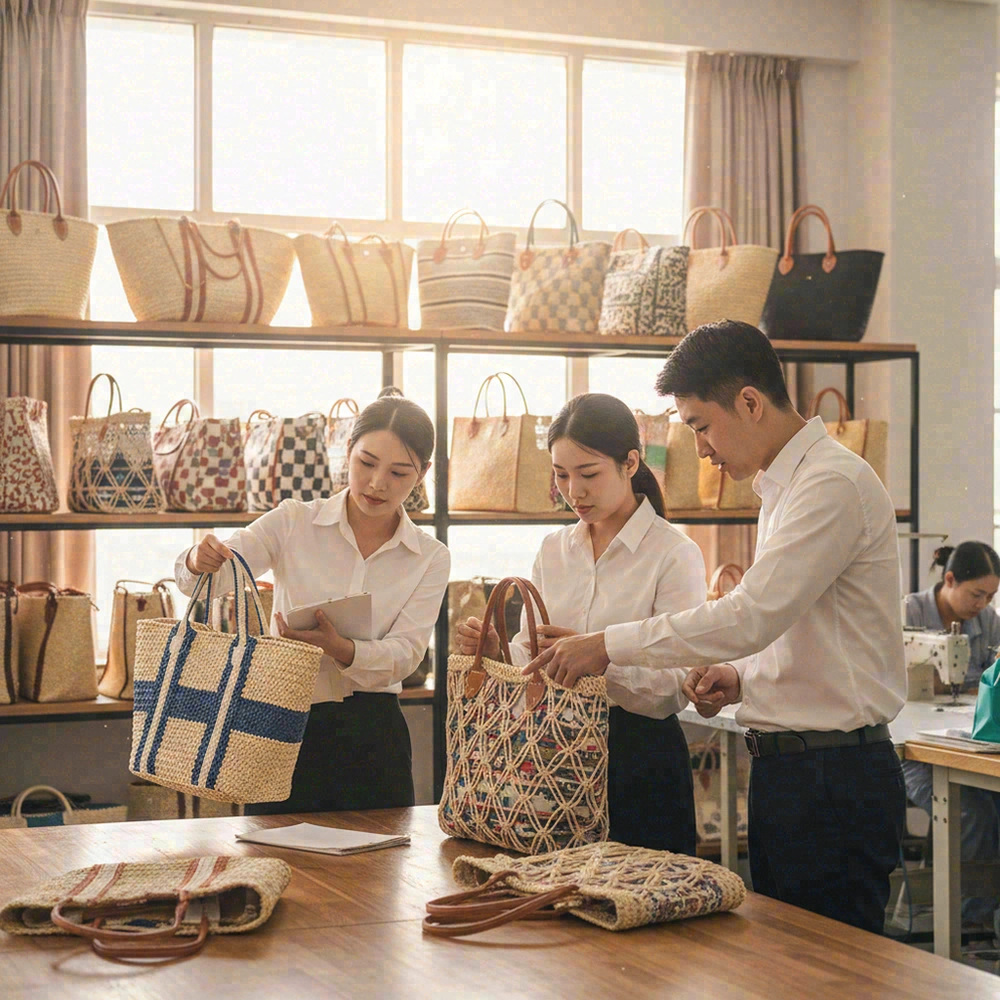
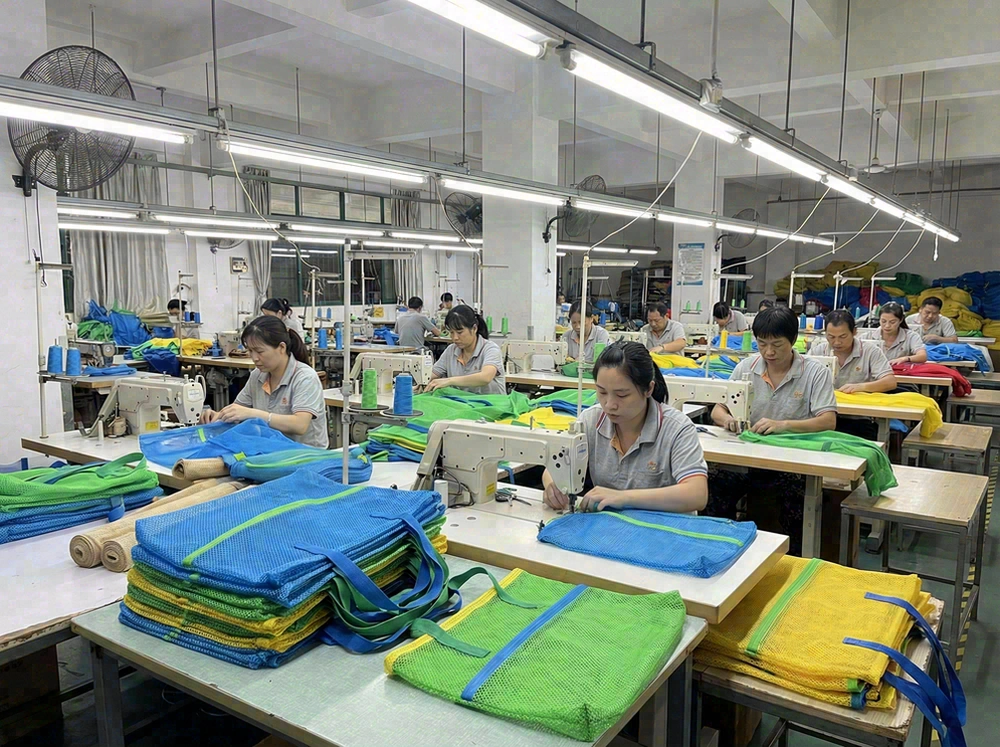
At Clanbag, we've spent 24 years helping B2B buyers navigate market trends and source quality beach bags. With our factory in Shandong's Xinhe Industrial Park and direct access to Qingdao Port, we offer the production capability and logistics efficiency that 2025's market demands.
Ready to discuss your 2025 beach bag collection? Contact our team for a personalized consultation and request our latest catalog featuring trending styles and sustainable options.