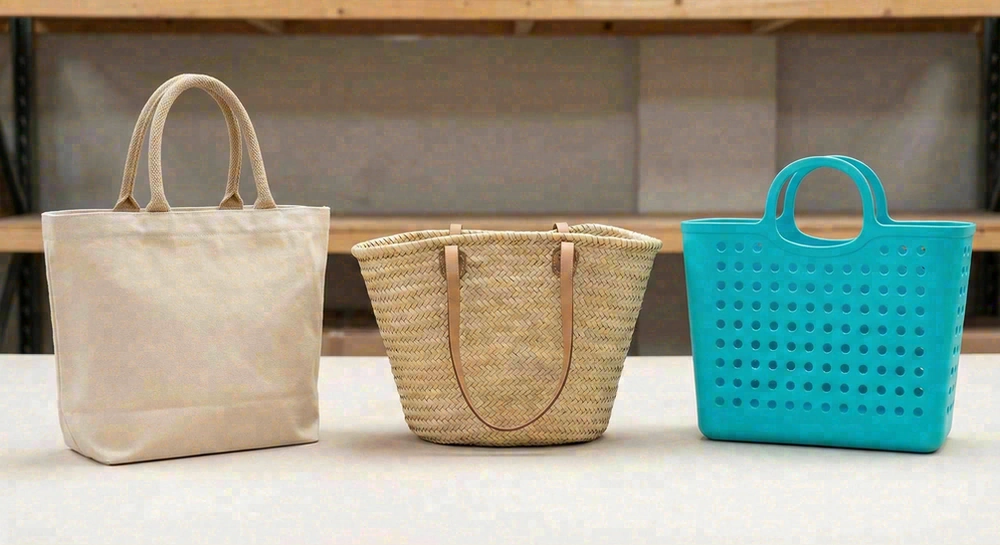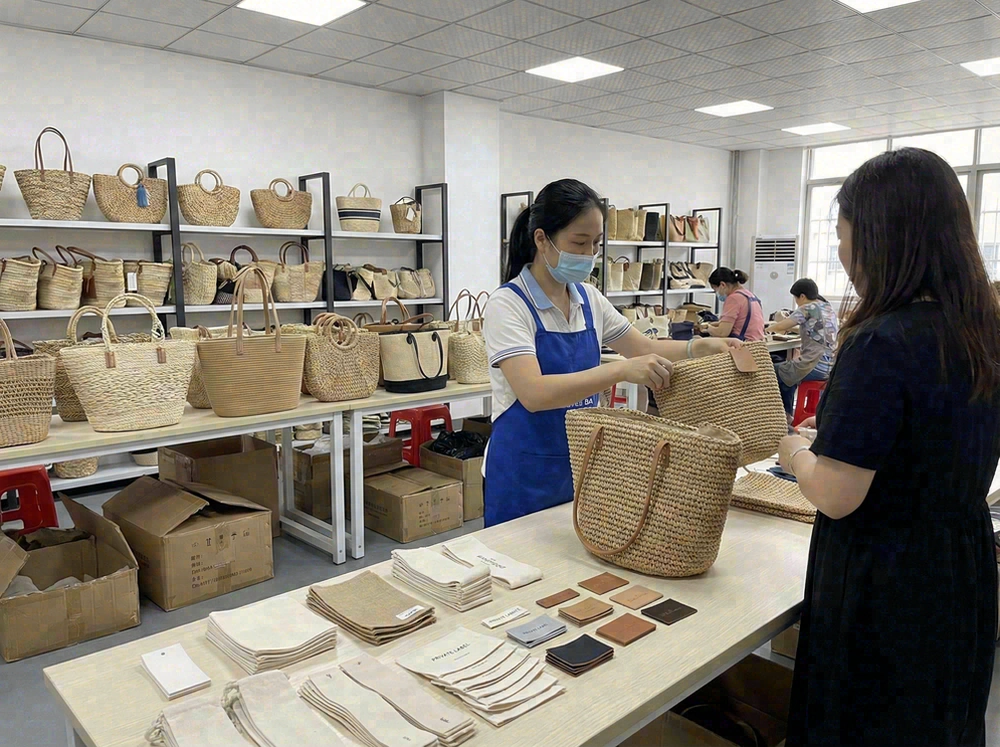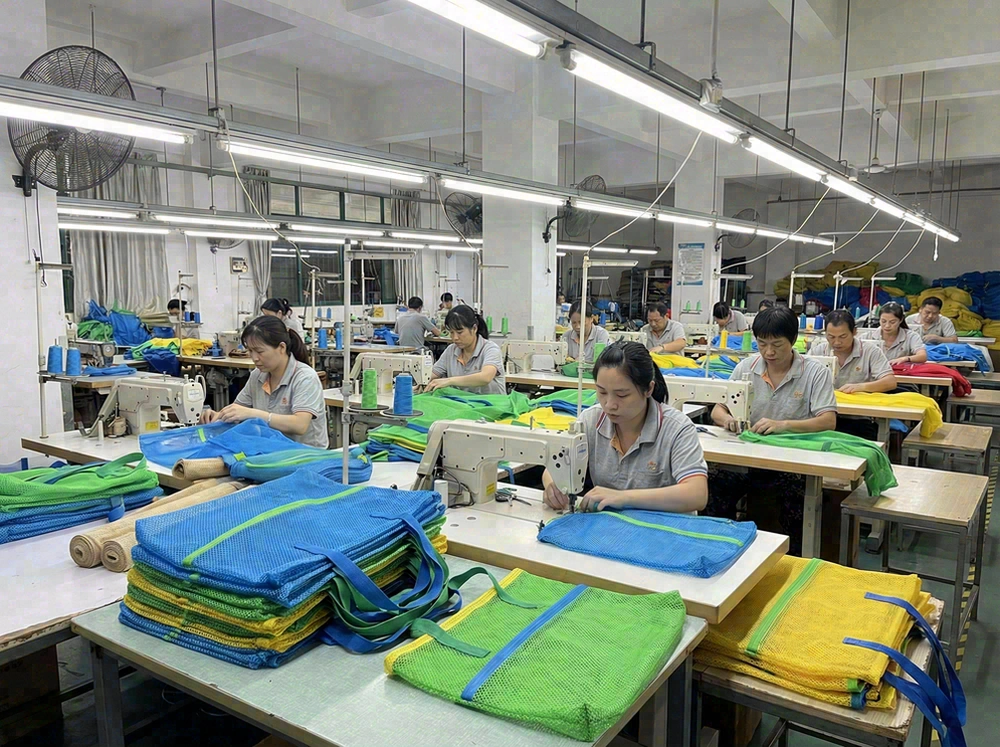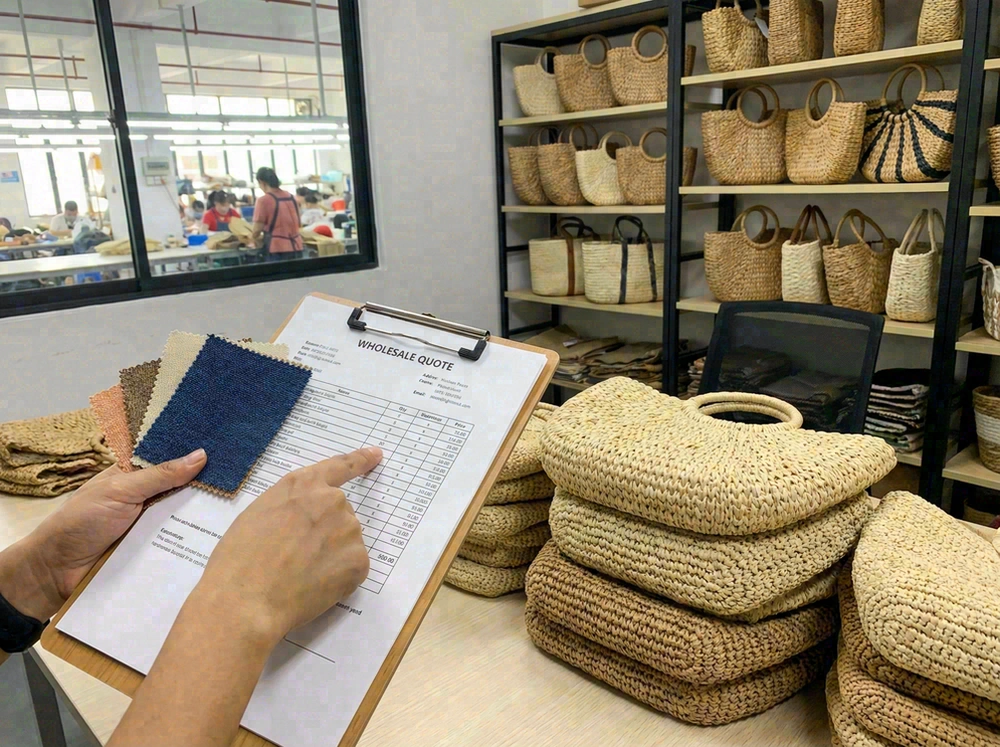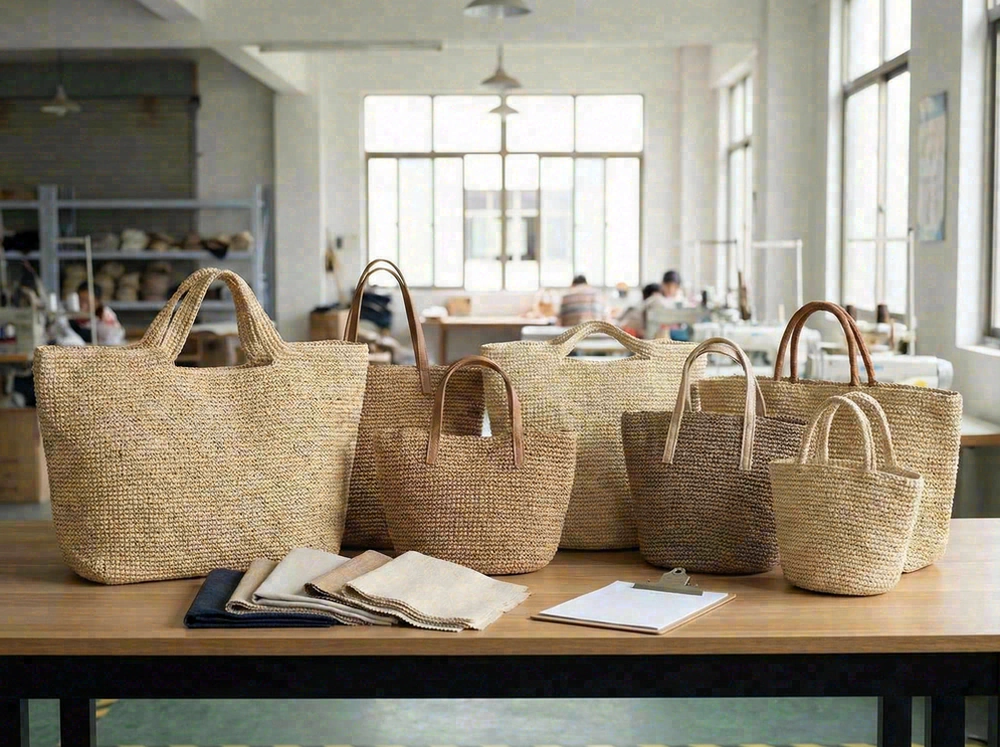
In our factory, material selection is where every beach bag begins—and where many B2B buyers make critical decisions that affect their entire product line. After producing millions of beach bags across every material type over 24 years, we've learned that there's no universal "best" material—only the right material for your specific needs.
This guide breaks down the practical differences between canvas, mesh, straw, EVA, jute, and other popular beach bag materials from a manufacturing and B2B sourcing perspective. We'll cover durability, maintenance, customization options, pricing, and help you determine which materials align with your target market.
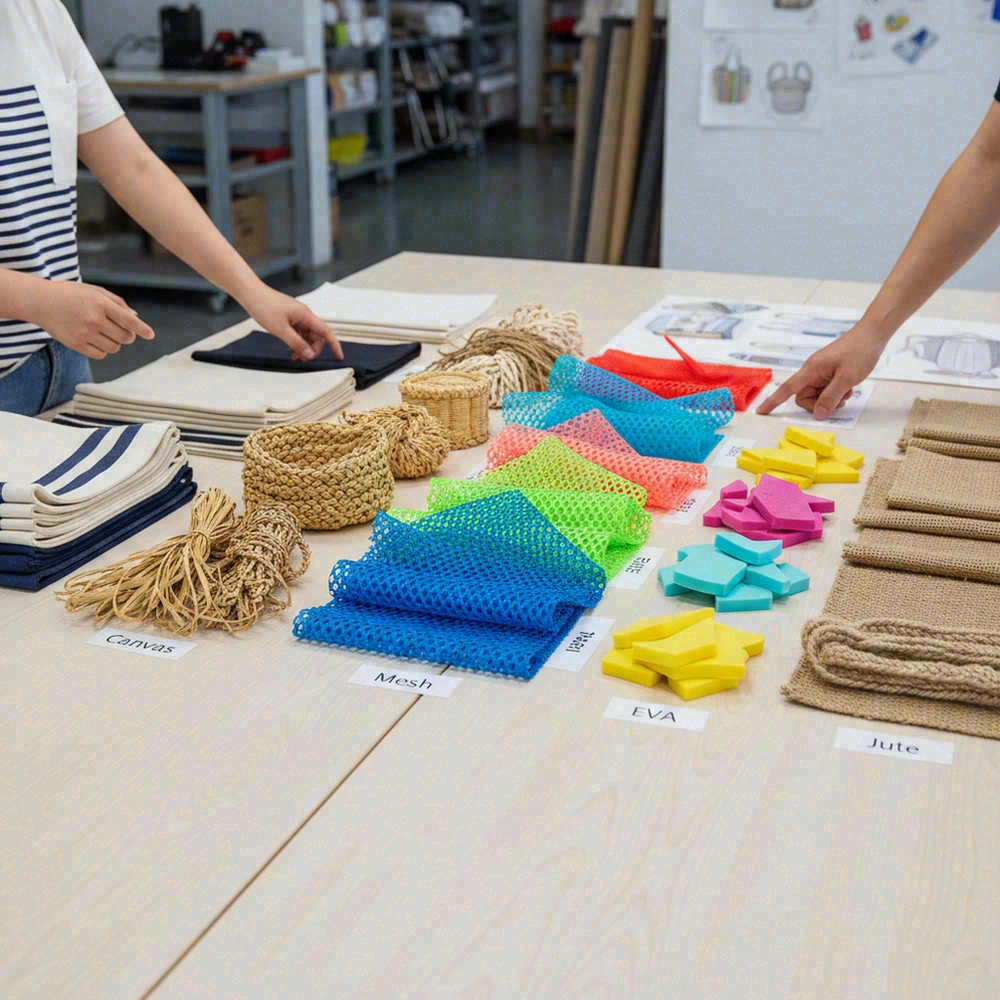
Quick Material Guide
- Canvas: Best for durability and custom branding—ideal for promotional products and heavy-use retail
- Mesh: Excellent sand/water drainage—perfect for budget lines and wet gear applications
- Straw/Raffia: Premium fashion appeal—suited for boutique retail and resort gift shops
- EVA/Rubber: 100% waterproof and easy-clean—great for pool use and family markets
- Jute: Eco-friendly and cost-effective—strong choice for sustainability-focused brands
Canvas Beach Bags: The Durable Workhorse
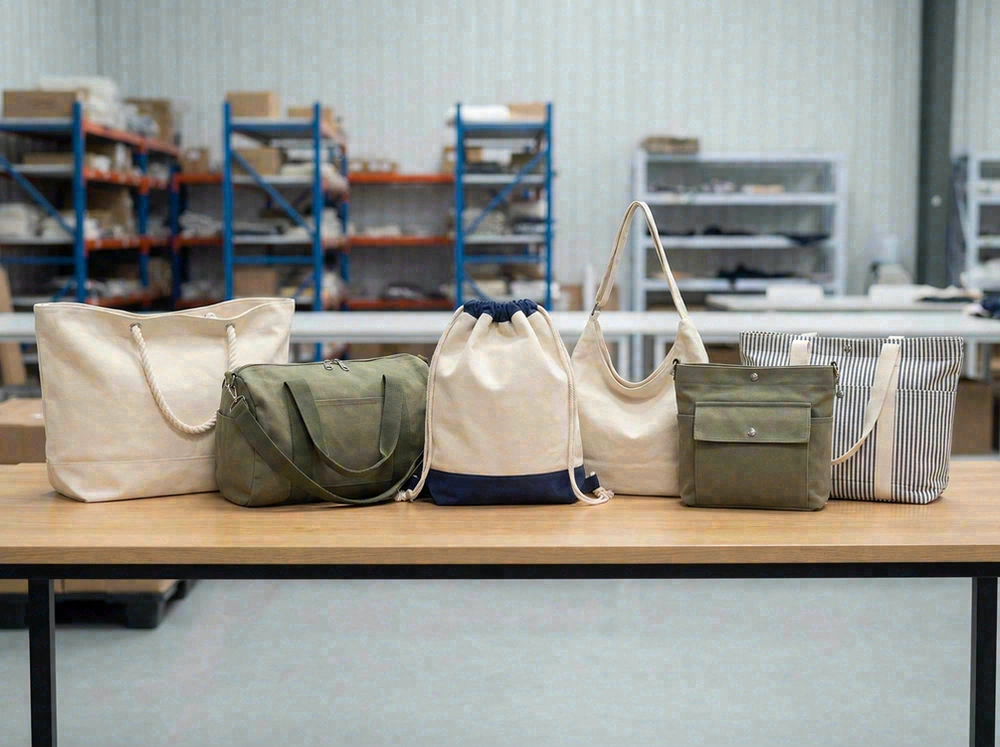
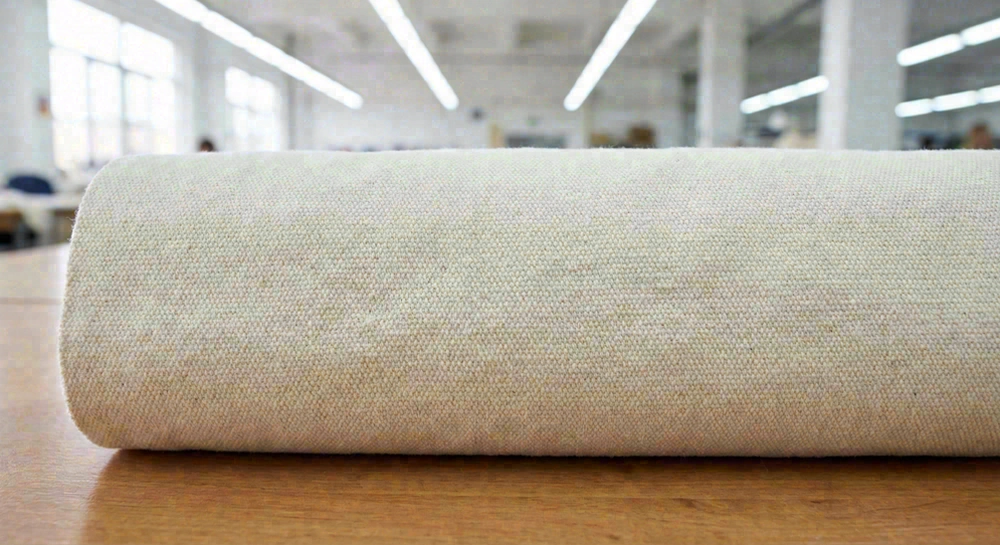
Canvas remains the most popular material for beach bags in B2B orders, and for good reason. Made from heavy-duty cotton (typically 10oz-16oz weight), canvas delivers unmatched durability and excellent customization options.
Durability & Performance
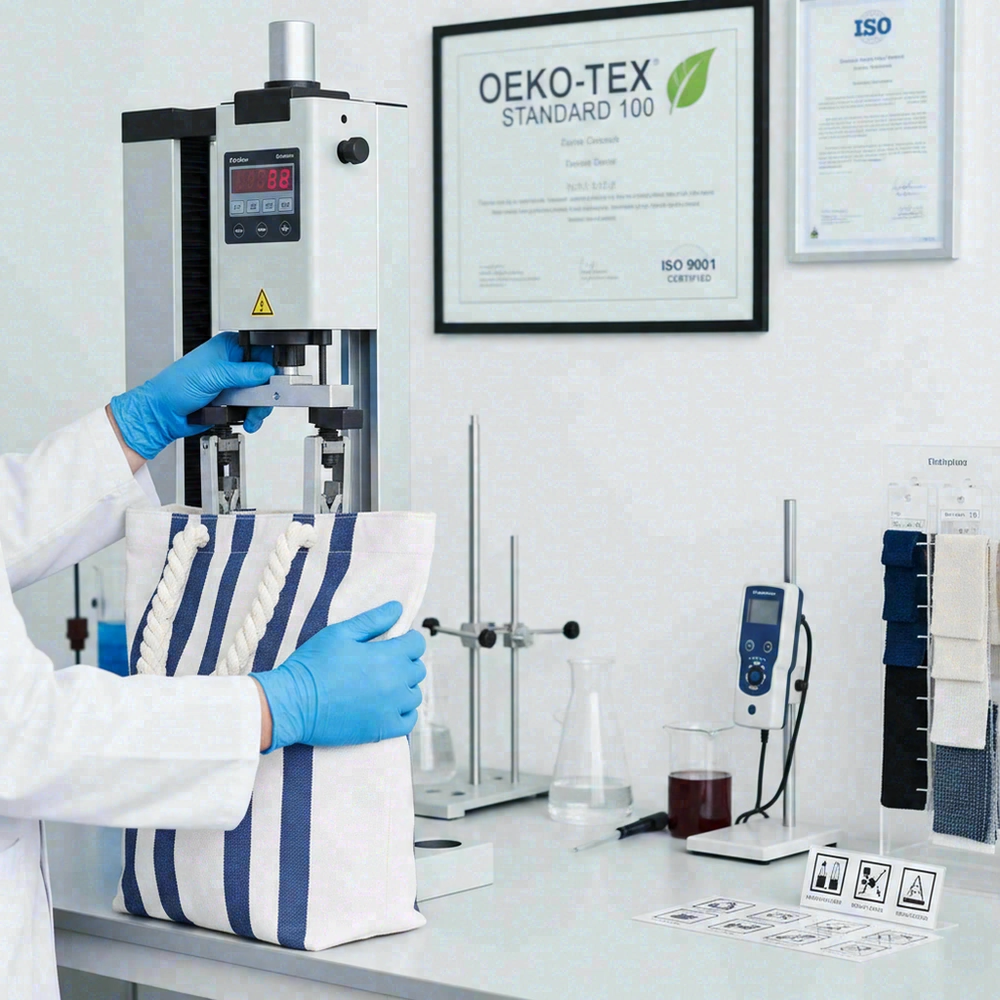
Canvas ranks highest in durability among beach bag materials. In our production testing, quality canvas bags withstand 50+ kilograms of load capacity and maintain structural integrity through hundreds of uses. The tight weave resists tearing, and the material actually softens with use while maintaining strength.
Sand resistance: Canvas is canvas's weakness. The textured surface tends to trap sand particles, and the fabric absorbs moisture from wet swimsuits and towels. However, the material is machine washable, making post-beach cleanup straightforward.
Customization Options
Canvas offers the widest customization possibilities:
- Screen printing: Excellent color reproduction, ideal for logos and graphics
- Embroidery: Premium look, durable for repeated washing
- Heat transfer: Full-color designs, photographic quality
- Waxed finish: Adds water resistance and premium appearance
B2B Pricing & MOQ
Wholesale pricing typically ranges $2.50-$5.00 per unit depending on size, weight, and customization. Standard MOQs start at 300-500 units for basic styles, with custom designs requiring 500-1000 units for optimal pricing.
Pro Tip: Canvas Weight Selection
For beach bags, we recommend 12oz-14oz canvas. Lighter weights (8oz-10oz) feel flimsy; heavier weights (16oz+) add unnecessary cost and weight. Organic cotton canvas commands 15-20% premium but appeals to eco-conscious buyers.
Mesh Beach Bags: Sand-Proof Functionality
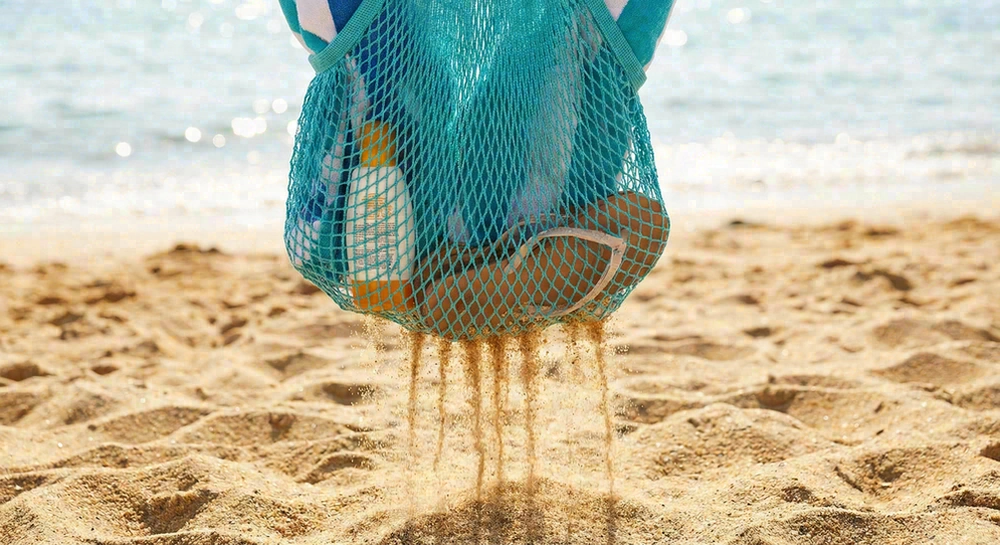
Mesh beach bags solve the sand problem that plagues other materials. Made from woven polyester or nylon, mesh allows sand and water to drain through, making these bags particularly popular for families and frequent beach visitors.
Durability & Performance
Mesh offers moderate durability. While the synthetic fibers resist water damage and dry quickly, the open weave is susceptible to snagging and tearing—particularly when overloaded or exposed to sharp objects. Quality varies significantly between manufacturers; look for reinforced stitching and double-layered stress points.
Sand resistance: Excellent. Sand falls through the mesh openings, eliminating the accumulation problem common with solid-fabric bags. Water drains equally well, making mesh ideal for wet swimsuits and toys.
Customization Options
- Screen printing: Works on solid mesh areas; limited on open weave
- Branded tags/labels: Common approach for mesh bags
- Color options: Wide range of mesh colors available
- Hybrid designs: Mesh panels combined with canvas or nylon bases
B2B Pricing & MOQ
Mesh bags are among the most affordable options, with wholesale pricing of $1.50-$3.50 per unit. MOQs typically start at 500-1000 units. The lower price point makes mesh popular for promotional giveaways and budget retail lines.
Key Insight: Mesh Quality Tiers
Not all mesh is equal. We produce three quality tiers: standard (single-layer, basic construction), mid-grade (reinforced seams, better hardware), and premium (double-layer mesh, YKK zippers, padded handles). The price difference between tiers is roughly $0.50-$1.00/unit, but durability and customer satisfaction improve dramatically.
Straw & Raffia Beach Bags: Fashion-Forward Appeal
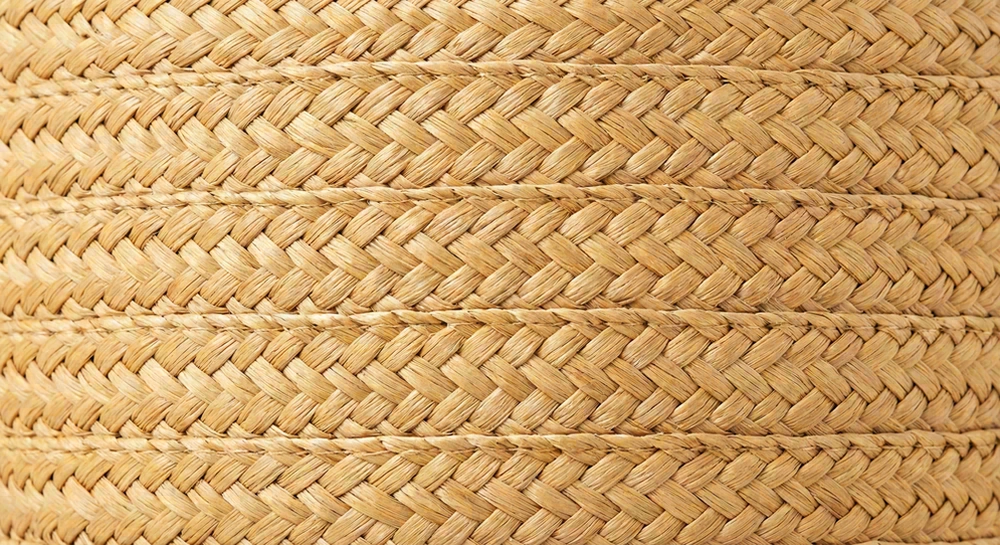
Straw and raffia bags dominate the fashion end of the beach bag market. Featured in designer collections from Loewe, Chloé, and countless fast-fashion retailers, these natural fiber bags offer style that fabric alternatives can't match.
Durability & Performance
Straw ranks lowest in durability among common beach bag materials. The woven fibers can break when caught on objects, and extended exposure to sun and saltwater weakens the material over time. However, quality construction and protective coatings significantly improve lifespan.
Sand resistance: Poor. Sand particles lodge in the weave and are difficult to remove. The open construction that gives straw bags their appeal also creates cleaning challenges.
Material Variations
- Paper straw: Most affordable, lighter weight, moderate durability
- Natural straw: Traditional look, variable quality, susceptible to humidity
- Raffia: Premium option, more flexible and durable than basic straw
- Seagrass: Durable natural option, heavier than straw
Customization Options
Customization is more limited with natural fibers:
- Ribbon/trim accents: Most common personalization method
- Branded tags: Leather or fabric tags with logos
- Color variations: Natural tones plus dyed options
- Hardware upgrades: Premium closures and handles
B2B Pricing & MOQ
Straw bags command premium pricing at $4.00-$8.00+ per unit, reflecting the labor-intensive weaving process. MOQs typically start at 500-1000 units. The higher price point supports stronger retail margins for boutiques and resort retailers.
EVA & Rubber Beach Bags: Waterproof Performance
EVA (ethylene-vinyl acetate) beach bags have surged in popularity, driven by brands like Bogg Bag demonstrating market demand for truly waterproof options. These bags offer functionality that natural materials simply can't match.
Durability & Performance
EVA ranks among the most durable materials for beach bags. The material is naturally waterproof, resistant to UV degradation, and maintains its structure under heavy loads. Quality EVA bags can last for years with minimal care.
Sand resistance: Excellent. The smooth, non-porous surface allows sand to be wiped or rinsed away easily. Small drainage holes in the base let sand and water escape while keeping contents secure.
Customization Options
- Molded colors: Wide range of solid colors during production
- Screen printing: Logos on smooth surfaces
- Accessories: Charms, tags, and inserts popular with consumers
- Size variations: Multiple sizes from same mold possible
B2B Pricing & MOQ
EVA bags range from $3.00-$6.00 per unit wholesale, with pricing heavily influenced by size and mold requirements. Custom molds involve upfront tooling costs ($2,000-$5,000), so MOQs typically start at 1000+ units for custom designs. Stock designs may have lower MOQs.
Pro Tip: EVA Quality Indicators
Request material thickness specifications (minimum 3mm for durability) and odor testing results. Low-quality EVA can have chemical smells that generate returns. Our production uses food-grade EVA to eliminate odor issues.
Jute Beach Bags: Sustainable Choice
Jute—also known as burlap—has become a go-to material for eco-conscious brands. This natural fiber offers an attractive combination of sustainability credentials, durability, and affordability.
Durability & Performance
Jute fibers are surprisingly strong, capable of handling heavy loads without tearing. The material is naturally UV-resistant, helping bags maintain color and integrity in sun exposure. However, jute absorbs water readily, which can lead to mildew if bags aren't dried properly.
Sand resistance: Moderate. The rough texture doesn't trap sand as badly as canvas, but jute lacks the drainage capability of mesh or EVA.
Sustainability Credentials
Jute's environmental profile makes it attractive for sustainability-focused brands:
- 100% biodegradable and compostable
- Low carbon footprint in production
- Minimal water requirements compared to cotton
- Naturally pest-resistant (reduces pesticide use)
B2B Pricing & MOQ
Jute bags offer excellent value at $2.00-$4.00 per unit wholesale. MOQs typically start at 500-1000 units. The combination of low cost and strong sustainability story makes jute popular for promotional products and eco-focused retail.
Material Comparison Table
| Material | Durability | Sand/Water | Maintenance | Wholesale Price | Best For |
|---|---|---|---|---|---|
| Canvas | Highest | Absorbs/clings | Machine wash | $2.50-$5.00 | Promotional, heavy use |
| Mesh | Moderate | Excellent drainage | Rinse/air dry | $1.50-$3.50 | Budget, wet gear |
| Straw/Raffia | Lowest | Traps sand | Spot clean only | $4.00-$8.00+ | Fashion retail, resorts |
| EVA/Rubber | Very High | 100% waterproof | Wipe/hose down | $3.00-$6.00 | Pool use, families |
| Jute | High | Absorbs water | Spot clean, air dry | $2.00-$4.00 | Eco brands, promotional |
| Nylon/Polyester | High | Water resistant | Machine wash | $2.00-$4.50 | Travel, active use |
Best Material by Use Case
For Promotional Products
Recommended: Canvas or Jute
Promotional products need durability (to survive actual use and deliver brand impressions) plus excellent customization options. Canvas offers the best print quality; jute adds sustainability appeal. Both handle the volume pricing that promotional campaigns require.
For Retail Fashion Lines
Recommended: Straw/Raffia or Woven Materials
Fashion retail demands aesthetic appeal. Straw and raffia bags photograph well, align with seasonal trends, and command premium price points that support healthy retail margins.
For Hotel/Resort Programs
Recommended: Canvas or EVA
Resort programs need bags that withstand heavy use, clean easily, and maintain appearance for photography. EVA works excellently for pool-focused properties; canvas suits broader beach resort applications.
For Family/Active Markets
Recommended: Mesh or EVA
Families need practical functionality: sand drainage, easy cleaning, and durability for kid-related wear. Mesh offers budget-friendly options; EVA provides premium durability.
For Eco-Conscious Brands
Recommended: Jute, Organic Canvas, or Recycled Materials
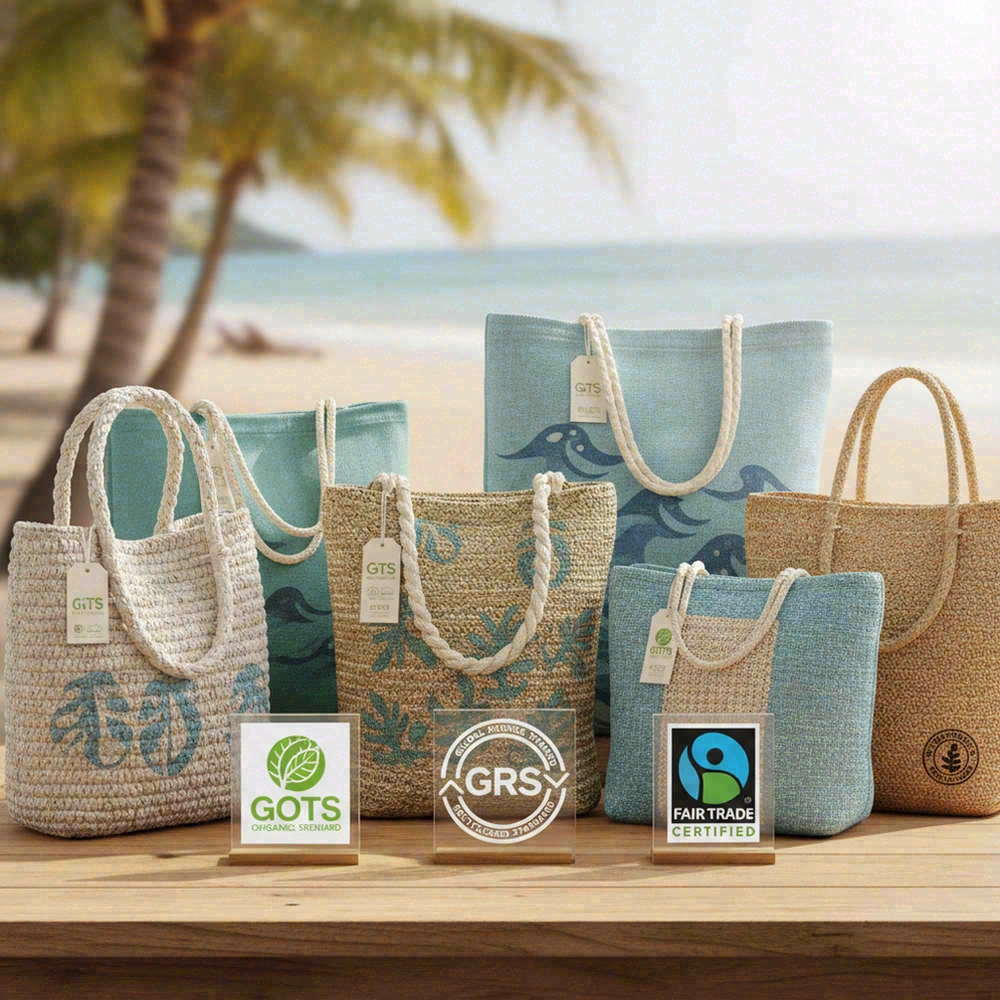
Sustainability-focused brands should consider jute for value positioning or organic/recycled options for premium positioning. Ensure suppliers can provide certification documentation.
Hybrid Designs: Best of Multiple Materials
Increasingly, we're producing hybrid designs that combine materials for optimal performance:
- Canvas body + mesh bottom: Durability plus sand drainage
- Jute exterior + waterproof lining: Eco appeal plus water protection
- Canvas + straw accents: Practical durability with fashion appeal
- Nylon body + mesh panels: Lightweight with ventilation
Hybrid designs typically cost 15-25% more than single-material options but address multiple customer needs in one product.
Frequently Asked Questions
Which beach bag material is most durable?
Canvas and EVA rank highest for durability. Canvas withstands heavy loads and maintains structure through hundreds of uses and washes. EVA is naturally resistant to water, UV, and abrasion. For buyers prioritizing longevity, these materials justify slightly higher unit costs.
What's the best material for sand resistance?
Mesh and EVA excel at sand management. Mesh allows sand to fall through the open weave, while EVA's smooth surface lets sand be wiped or rinsed away easily. Canvas and jute tend to trap sand in their fibers, requiring more cleaning effort.
Which material offers the best customization options?
Canvas provides the widest customization possibilities, including screen printing, embroidery, heat transfer, and various finishes. Jute also offers good customization. Straw and EVA have more limited options, primarily tags, trims, and color variations.
What are typical MOQs for different beach bag materials?
Canvas bags typically start at 300-500 units MOQ. Mesh, jute, and straw bags usually require 500-1000 units. EVA bags, especially custom designs requiring molds, often start at 1000+ units. Stock designs may have lower minimums.
How do I choose the right material for my target market?
Consider your customer's priorities: Fashion-focused buyers appreciate straw and raffia. Practical, family-oriented markets prefer mesh or EVA. Eco-conscious consumers value jute and organic options. Promotional buyers typically need canvas for its durability and print quality.
Can beach bag materials be mixed in one order?
Yes, most manufacturers can produce mixed-material orders, though each material type typically needs to meet its own MOQ. This allows you to test market response across different materials before committing to larger orders of specific styles.
Conclusion: Making Your Material Decision
Material selection fundamentally shapes your beach bag product line—affecting durability, appearance, pricing, and customer satisfaction. There's no single "best" material; the right choice depends on your target market, price positioning, and functional requirements.
Key decision factors to consider:
- Customer use patterns (heavy use vs. occasional, pool vs. beach)
- Customization needs (branding prominence, print quality)
- Price positioning (budget, mid-market, premium)
- Sustainability requirements (certification needs, eco messaging)
- Maintenance expectations (machine wash vs. wipe clean)
At Clanbag, we manufacture beach bags across all major material types, giving us unique insight into the practical differences that affect your business. Our team can help you evaluate materials based on your specific requirements and provide samples for hands-on comparison.
Ready to explore material options for your beach bag line? Contact us for material samples and customization consultation.