OEM/ODM manufacturer since 2001 Private label support for boutiques Export-ready packing for woven structures
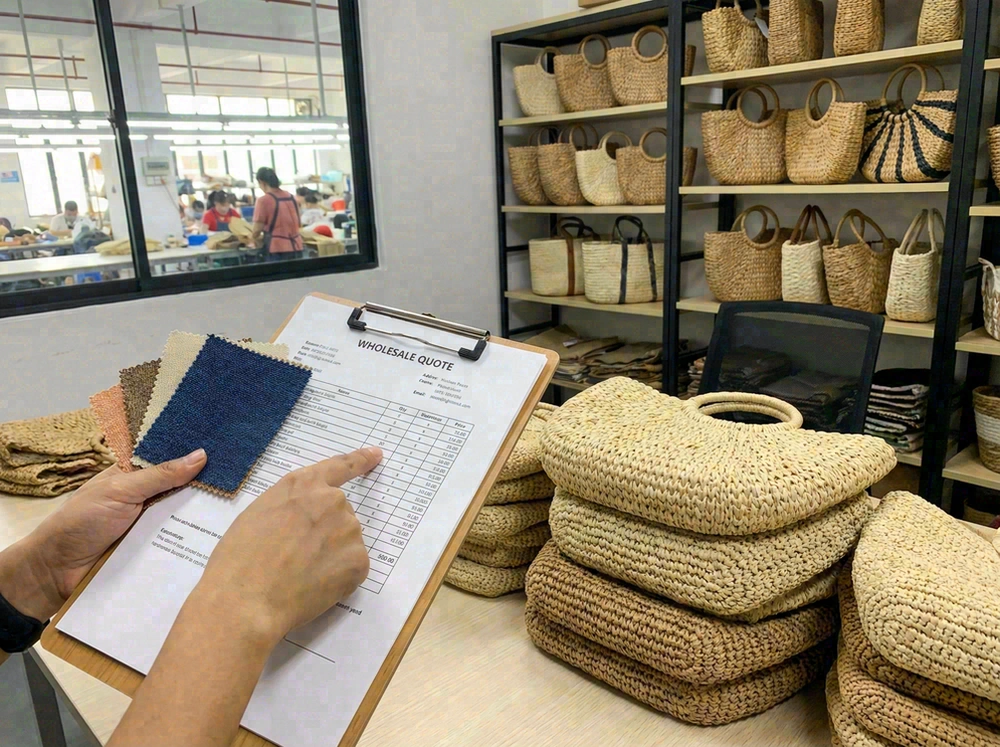
Get Quote
Artisan Weave Collection

Wholesale Woven Beach Bags
With Artisan Appeal

Looking for a woven beach bag line that feels artisanal but buys like a dependable wholesale program? Clanbag develops hand-finished options for a handwoven beach bag assortment with consistent sizing, reinforced handles, and retail-ready trims.

  • Boutique-ready silhouettes and seasonal colorways
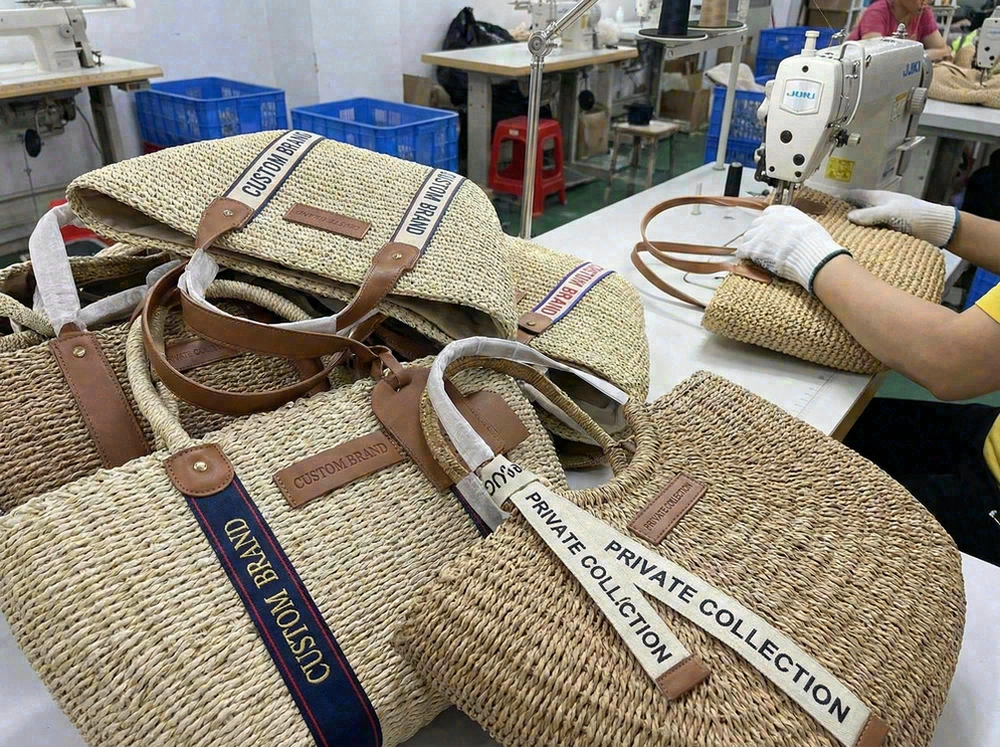
  • OEM branding, private label trims, and retail packaging
  • Factory-direct sampling, QC, and export shipping support
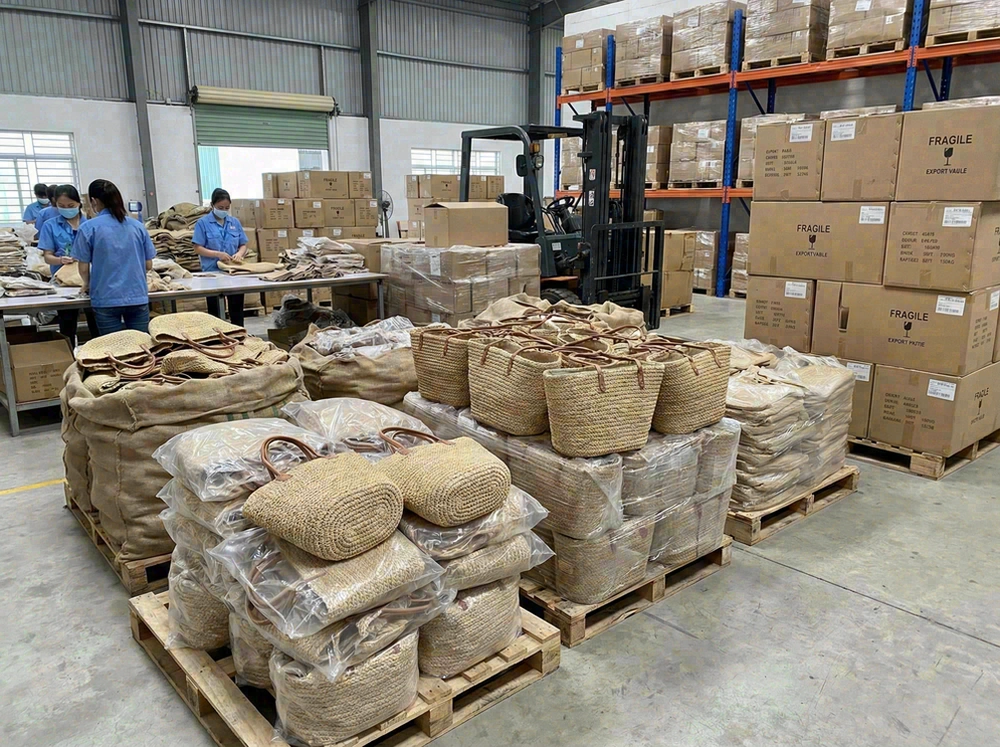
Woven beach bag wholesale styles
Natural & Blended Weaves
Straw, Raffia, Seagrass, Rope
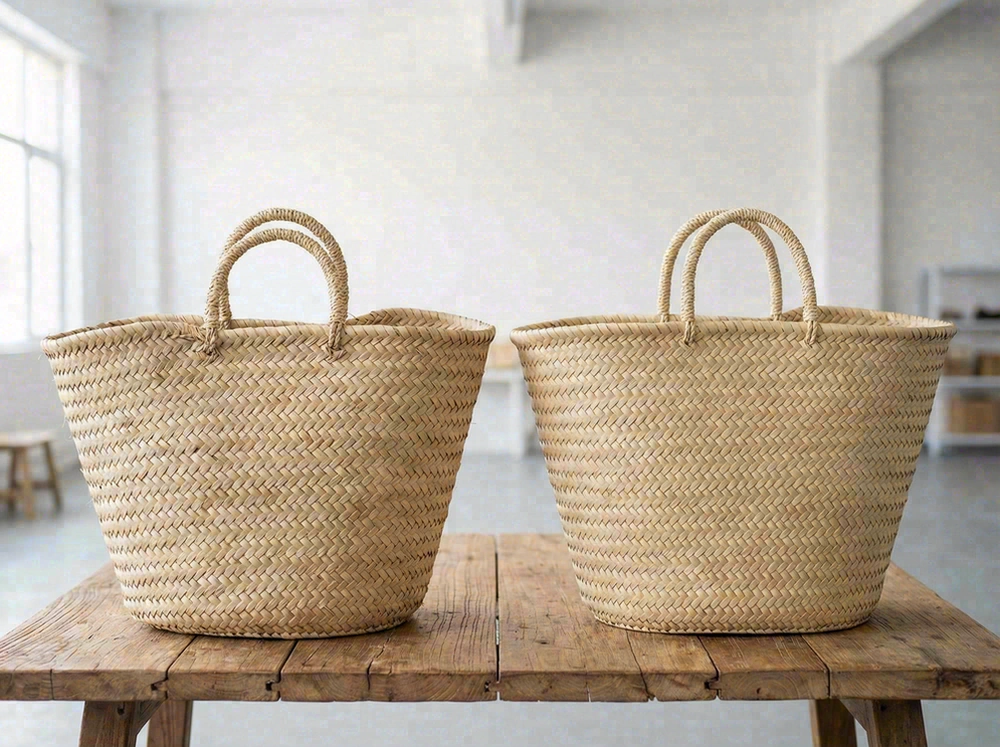
Typical Specifications for Custom and Wholesale Orders

Specifications vary by material and silhouette. Use these ranges as a starting point for quoting and sampling, then we will finalize a production spec based on your design and target market requirements.

Common sizes (W x H x D)
Small: 28-32 x 20-24 x 10-12 cm
Medium: 38-42 x 28-32 x 14-16 cm
Large: 48-55 x 34-38 x 16-20 cm

A medium woven tote bag is often the core reorder size for boutiques.

Handle drop / strap length
Top handles: 18-28 cm drop
Shoulder carry: 25-32 cm drop
Crossbody straps: adjustable 105-130 cm

Comfort testing matters for rope and rigid materials; handle wraps can improve feel.

Material options Paper straw braid, raffia, seagrass, jute, cotton rope, PP rope, recycled PET yarn, wicker/rattan frames

Material impacts weight, stiffness, and packing method.

Weave and structure Tight braid, open weave, crochet-like weave, mixed weave panels; optional reinforced rim and bottom panel

Reinforcement is recommended for larger sizes and higher load expectations.

Lining options Unlined; cotton canvas lining; polyester lining; lining with zipper pocket

Linings improve shape retention and reduce snagging for soft natural fibers.

Closure options Open top; magnetic snap; zipper; drawstring

Secure closures increase travel suitability and reduce loss-related complaints.

Branding methods Woven label, PU/leather patch, embroidery on fabric panels, printed lining, hangtag, metal logo plate

Choose based on channel: subtle branding for premium boutiques, visible branding for promotional drops.

Typical MOQ (guideline) 200-500 pcs per style, depending on material, size, and customization complexity

Lower MOQs may be possible for simpler constructions or when aligned with existing material runs.

Sampling and lead times
Samples: 7-14 days
Production: 25-45 days after sample approval and order confirmation

Complex trims, special dyes, and rigid frame packing can extend timelines.

Packing and Logistics

Export Packing Goals

  • Protect the weave from compression and deformation
  • Prevent surface snagging and scuffing during transit
  • Keep goods retail-clean for immediate floor display

Common Packing Options

  • Individual polybag or dust bag
  • Shape inserts or paper stuffing for structure retention
  • Carton labeling support for SKU management

Packing choices should be confirmed during sampling, especially for rigid frames and high-structure silhouettes.

Handwoven vs Machine-Made: Tradeoffs for B2B Buyers

For a handwoven beach bag program, the key is balancing artisan character with the consistency your retail channel expects. This table summarizes practical differences to help you choose the right construction for your assortment and reorder plan.

Handwoven vs machine woven bag
Criteria Handwoven / Artisan Machine-Woven Fabric Tote
Perceived value on shelf Strong craft story, premium texture, ideal for boutique merchandising. Clean and consistent appearance, premium look with fewer natural variations. More utilitarian; value is driven by print and function rather than texture.
Consistency across reorders Can vary by batch; managed through standardized materials and QC tolerances. Highest repeatability; best for SKU stability and multi-season carryover. High repeatability; depends on fabric and print control.
Design flexibility Great for unique patterns and trims; changes may affect craft time. Good for defined patterns and colorways; fastest iteration for repeats. Very flexible for prints, pockets, and functional add-ons.
Durability and structure Very durable when reinforced; structure depends on weave and lining choices. Durable with predictable structure; easier to control handle performance. Durability is seam-dependent; structure is controlled by fabric weight.
MOQ and cost control Often needs clearer material planning; complexity can raise labor cost. Typically the most cost-efficient for consistent large runs. Often lowest entry cost; less premium positioning.
Best fit channel Boutiques, premium resort shops, fashion retail seasonal features Wholesale programs needing stable SKUs, chain retail basics Promotions, events, price-driven programs

Buyer Guidance

If you sell premium summer capsules, prioritize handfeel and detailing, then protect the weave with lining, edge finishing, and packing.

If you need consistent reorders, choose standardized weave constructions and align on spec tolerances early.

For mixed assortments, carry a core standardized tote and add limited artisan feature SKUs for margin lift.

Private Label & OEM

Customization Options: Branding, Trims, and Packaging

Customization should reinforce your brand story without compromising durability. We recommend selecting a weave and silhouette first, then layering branding, closures, and packaging that match your channel and price point.

Branding and Private Label

For natural fibers, patches and labels often look cleaner than heavy surface prints on the weave.

  • Woven label stitched on lining or inner seam
  • PU/leather patch (heat-stamped or printed)
  • Embroidery on fabric panels or inner pocket
  • Printed lining for a premium unboxing detail
  • Hangtags, care labels, and barcode labels

Colorways and Patterns

Align early on acceptable batch variation for dyed natural fibers and confirm final color with sample approval.

  • Natural tones with contrast handles
  • Seasonal stripes and colorblocking
  • Dip-dye effects and gradient looks
  • Mixed material panels (woven body + canvas or PU trims)

Handles, Straps, and Trims

Handle construction is a key durability driver; we recommend reinforcement for larger carryall sizes.

  • Woven top handles
  • Cotton rope handles
  • PU handles and trim bindings
  • Webbing straps (adjustable or fixed)
  • Reinforced bottom panels for larger sizes

Linings, Pockets, and Closures

Linings help maintain shape and improve customer experience for travel and daily use.

  • Unlined or lined construction
  • Inner zipper pocket and slip pockets
  • Magnetic snap, zipper, or drawstring closure
  • Detachable inner pouch sets

Retail Packaging

For woven structures, retail-ready packing reduces transit damage and speeds store setup.

Dust bag or protective sleeve
Tissue wrap and shape inserts
UPC/barcode labels and carton marks
Custom hangtags and brand story cards
Custom branding on woven bags

MOQ and Sampling

Typical MOQ Range 200-500 pcs per style (varies by material, structure, and branding method)
Sample Guidance Provide references, target size, and logo files. We can propose materials and details to match your target retail positioning.
Cost Drivers
  • Material type and availability
  • Structure reinforcement and lining complexity
  • Custom trims, hardware, and closure choices
  • Packing level required for transit protection

Lead Times

Sample Lead Time 7-14 days
Production Lead Time 25-45 days

Transit time depends on destination and shipping method; packing is designed to protect weave integrity during longer routes.

Files to Provide

  • Logo Artwork AI, PDF, or high-resolution PNG
  • Reference Images Or a simple tech pack
  • Target Dimensions And intended use (beach, resort, travel, daily)
  • Target Market And compliance requirements (if any)

Factory-Direct Woven Beach Bags Designed to Sell

Texture is the first thing shoppers notice. A woven beach bag communicates summer, craftsmanship, and a higher perceived value, which helps boutiques protect margin without relying on heavy discounting. For B2B buyers, the goal is not just a pretty weave, but repeatable sizing, dependable handle strength, and a finish that stays clean on the sales floor.

Clanbag develops wholesale programs and private label collections across natural fibers and modern recycled yarns. We help you choose silhouettes that match your customer and price point, then build the details that drive sell-through: comfortable handles, smart closures, optional linings, and branding that looks intentional rather than added on.

From concept to shipment, our process is designed for retail: sampling you can evaluate quickly, practical specs you can reorder, and packing that protects the weave from compression and deformation in transit.

Ideal For

  • Boutiques and fashion retail chains building seasonal capsules
  • Resort gift shops and coastal lifestyle stores
  • Brands launching limited-run summer drops
  • Wholesalers who need consistent reorders and SKU stability

What We Can Build

  • Woven tote bag shoppers and oversized beach totes
  • Structured basket styles and semi-rigid frames
  • Shoulder and crossbody silhouettes with secure closures
  • Sets with inner pouches, cosmetic bags, or matching accessories

Buyer Checklist for Quoting

01

Target retail price range and quantity per style

02

Preferred material and any sustainability requirements

03

Branding method (label, patch, hangtag, inner print)

04

Required packaging (barcode, dust bag, inserts)

Woven Material Types: Looks, Feel, and Durability

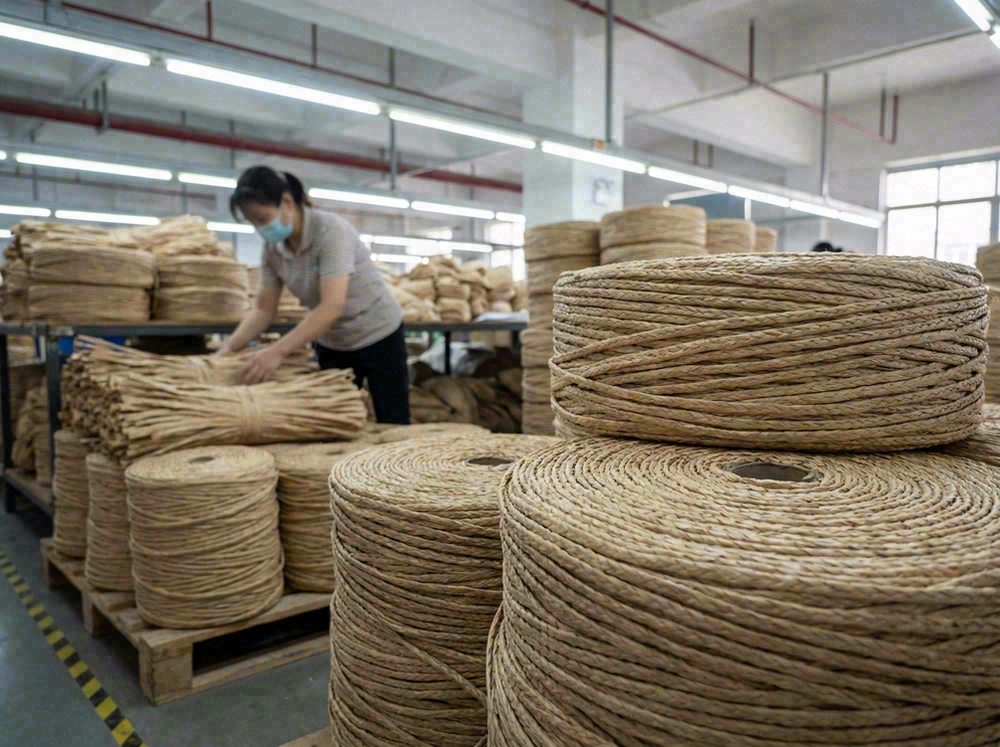
Material choice determines handfeel, stiffness, color take-up, and how a bag ages with sun, sand, and frequent handling. Below are common weave materials used for wholesale development, with practical notes for merchandising and export packing.

1 Paper Straw Braid

Paper straw braid offers a clean, uniform look with strong color consistency, making it a reliable choice for larger wholesale runs. It is lightweight and can be woven into tight, smooth surfaces that read premium on shelf. For durability, we typically recommend reinforced rim finishing and strengthened handle attachment points, especially for larger totes.

Boutique-ready totes Colorblocked programs Consistent reorders

Best performance comes from balanced braid width selection and structure-supporting lining options.

2 Raffia (Natural or Paper Raffia)

Raffia has a softer, more organic texture and a strong artisan story. It drapes slightly, which works well for hobo and bucket shapes. Because raffia can fray, edge finishing and lining selection matter; adding a fabric lining can help maintain shape and reduce snagging from keys and jewelry.

Soft-structure silhouettes Premium boutiques Natural textures

Color and fiber variation should be aligned early with an acceptable range for bulk production.

3 Seagrass and Water Hyacinth

These natural fibers create a rustic, matte appearance and a firmer hand, which helps basket silhouettes hold structure. They can show more natural variation in tone, so we usually align on an acceptable color range and keep branding understated. For export packing, shape inserts help prevent flattening during transit.

Basket bags Structured totes Resort gift shops

Consider surface smoothness and finishing to reduce snag points and abrasion.

4 Jute Weave

Jute is valued for its earthy look and sustainability narrative. It handles abrasion well, making it a good option for shoppers that may be carried frequently. Jute is stiffer and can feel rougher, so softer handles, a lining, or a top edge binding can improve comfort.

Everyday shoppers Eco-forward collections Logo-forward programs

Comfort upgrades (handle wrap, binding) often improve retail acceptance at mid price points.

5 Cotton Rope, PP Rope, and Blended Yarns

Rope-woven bodies create a dense, durable surface and allow modern colorblocking. Rope is strong for structured tote programs with higher load expectations, and it pairs well with PU trims and zipper closures. For consistency across production, we standardize rope diameter and stitch density.

Structured totes Modern colorways Higher durability

Rope programs benefit from clear spec alignment on rope thickness and stitch density.

6 Recycled PET Yarn Weaves

Recycled polyester yarn can mimic natural textures while improving wash resistance and color stability. It is useful for retailers that want a sustainability claim paired with consistent supply. Recycled yarn weaves are typically more uniform than raw natural fibers and can support more detailed patterns.

Sustainable assortments Pattern programs Consistency needs

Confirm labeling language requirements per market if you plan sustainability messaging.

7

Wicker and Rattan (Rigid Frame Styles)

Rigid wicker and rattan styles deliver strong visual impact, especially for basket silhouettes, but they require careful packing. We recommend smooth finishing, sealed ends, and reinforced handle mounts to reduce cracking risk. Because rigid frames can be damaged by compression, these bags ship best with shape inserts and carton-level protection.

Statement basket styles Premium retail displays Seasonal feature SKUs

Discuss packing early; rigid frames may require higher packing volume for protection.

Woven materials for beach bags

Material Selection Tips for Buyers

For predictable color and repeatability, choose standardized braids and yarns; for artisan storytelling, lean into natural fiber textures with defined acceptable variation.

If your retail channel expects secure storage for phones and wallets, add a lining and closure even for classic open-top silhouettes.

For export shipping and long transit, packing choices (inserts, stuffing, carton strength) are as important as weave choice.

Explore More Beach Bag Materials

If you are building a multi-material assortment, these related pages help you compare seasonal stories, structure, and positioning.

Silhouette Guide

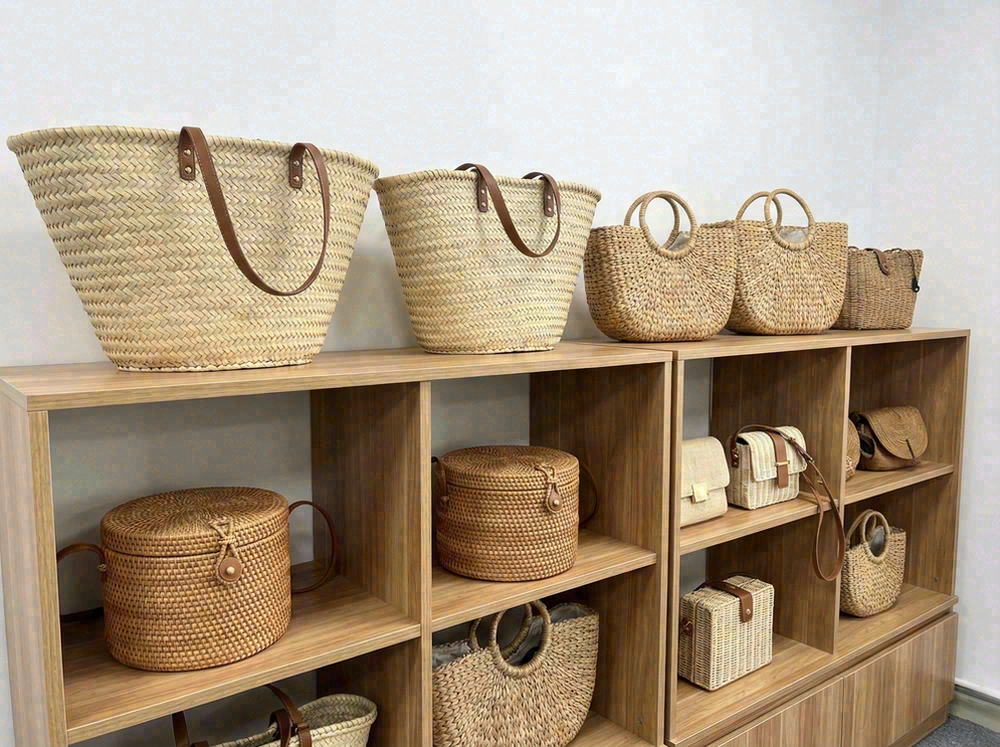
Popular Woven Styles for Wholesale Assortments

Style choice should match how your customers shop: open-top beach carryalls for grab-and-go, secure closures for travel, and structured silhouettes for premium displays. Below are common silhouettes we produce and how to specify them for retail success.

Woven Tote Bag (Classic Shopper)

The core volume driver for beach season. Easy to merchandize, fits towels and daily essentials, works across price points depending on material and trims.

Recommended Details

  • Reinforced rim finishing to prevent deformation
  • Comfortable handle drop for shoulder carry
  • Optional inner pocket for keys and phone

Ideal Channels

Boutiques Resort Gift Shops Fashion Retail

Structured Basket Styles

High visual impact and premium perception. Basket silhouettes photograph well and often drive impulse purchases when displayed near summer apparel.

Recommended Details

  • Shape insert packing for transit protection
  • Smooth finishing to reduce snagging
  • Understated branding (small label or hangtag)

Ideal Channels

Premium Boutiques Gift Shops Lifestyle Stores

Shoulder and Hobo Silhouettes

A softer silhouette that feels fashion-forward and comfortable. Balances beach and everyday use, supporting higher repeat-wear value.

Recommended Details

  • Lining to hold shape and reduce fraying
  • Secure top closure option (magnetic snap or zipper)
  • Soft handle wrap or rope handle for comfort

Ideal Channels

Fashion Retail Boutiques Summer Travel Edits

Crossbody Options

Hands-free silhouettes attract travel shoppers and younger demographics. A compact crossbody can complement larger totes as an add-on purchase.

Recommended Details

  • Adjustable strap hardware with smooth finish
  • Secure closure for travel use
  • Inner pocket or small pouch set option

Ideal Channels

Travel Retail Boutiques Online-First Brands

Bucket and Drawstring Styles

Drawstring tops create a casual premium look and clear functional benefit: contents security. The forgiving silhouette helps hide minor natural fiber variation.

Recommended Details

  • Drawstring channel reinforcement
  • Lining for smoother handfeel
  • Tassel or charm option as an upsell

Ideal Channels

Boutiques Resort Shops Seasonal Drops

Sets and Add-on Pouches

Pairing a larger tote with an inner pouch increases perceived value and reduces customer concerns about small-item storage.

Recommended Details

  • Matching material story across pieces
  • Consistent branding placement
  • Packaging designed for set presentation

Ideal Channels

Gift-Focused Retail Premium Boutiques Brand Collabs

Assortment Planning Tips

Build a balanced wholesale program that drives volume while protecting margin through strategic style selection.

Woven tote and basket bag styles showing multiple silhouettes

Recommended Mix

A common wholesale mix is 1-2 hero tote SKUs (high volume), 1 basket statement SKU (margin lift), and 1 secure-closure style (travel functionality).

Color Strategy

Use natural base colors for reorder stability and add 1-2 seasonal accents (stripes, dip-dye, contrast handles) to refresh without changing the full construction.

Size Strategy

Offer two sizes when possible: a core medium and a larger carryall to capture both everyday and beach-day use.

Quality Control

Quality Assurance for Woven Structures

Woven products require a different QC approach than flat fabric bags. The goal is to protect structure, maintain consistent sizing, and ensure handle attachments and closures hold up under real-world use.

Durability Design Notes

  • For larger sizes, reinforced rims and handle anchor points are recommended to reduce deformation and tearing.
  • Linings can reduce snagging and help maintain shape for softer fibers such as raffia.
  • Rigid frames require packing that prevents compression; inserts and carton protection are critical for damage reduction.

Care & Storage Tips

  • Store and ship with shape support to prevent flattening.
  • Avoid prolonged moisture exposure; dry naturally if damp.
  • For retail display, keep away from heavy stacking and sharp fixtures that can snag the weave.

QC Checkpoints

1

Material Receiving

  • • Color range alignment for natural fibers
  • • Braid/yarn thickness consistency
  • • Surface defects and odor screening
2

In-Process Weaving & Assembly

  • • Weave density and tension consistency
  • • Shape symmetry and sizing tolerance checks
  • • Rim, bottom, and handle reinforcement verification
3

Trims & Branding

  • • Label/patch placement accuracy
  • • Hardware finish and smoothness
  • • Closure function checks (zipper run, snap alignment)
4

Final Inspection & Packing

  • • Overall appearance and clean finish
  • • Handle attachment and load-relevant checks
  • • Packing method verification (inserts, stuffing, protection)

Optional Testing Services

  • Practical handle pull and carry simulation checks (based on agreed use scenario)
  • Abrasion observation for trims and bindings
  • Color transfer and basic colorfastness screening for dyed materials (as requested)
  • Third-party lab testing coordination for market compliance requirements (as requested)
Common Questions

Woven Beach Bag FAQ

Wholesale and OEM answers for B2B buyers

Typical MOQ is 200 to 500 pieces per style, but it depends on the weave material, size, and how customized the components are. A simple open-top tote in a standardized material usually starts lower than a rigid frame basket with custom trims, lining, and branded packaging. If you are building a multi-SKU program, we can also discuss planning production to keep materials efficient across styles. For first orders, many buyers start with a core style and 1-2 colorways, then expand after sell-through results. Share your target quantity, timeline, and channel, and we will recommend the most practical MOQ path.

Yes. You can send reference images, target dimensions, and branding requirements, and we will propose a construction plan: material choice, weave approach, reinforcement points, lining and closure options, and logo placement. For OEM development, the fastest route is a clear definition of what must match the reference and what can be adjusted for cost, durability, or lead time. During sampling, we focus on handfeel, shape, and finishing details, then lock a repeatable spec for bulk production. If you have a tech pack, we can follow it; if not, we can help convert your references into production-ready specs.

Boutiques typically win with texture, handfeel, and finishing details, so raffia, seagrass, or premium braid constructions with clean trims and subtle branding are common choices. Promotional programs often prioritize consistency and cost control, so standardized braids or recycled yarn weaves can be a better fit, especially when the goal is volume and predictable delivery. Also consider the use case: travel customers usually prefer closures and linings, while casual beach carryalls can be open-top. If you tell us your target retail price and channel, we can recommend materials and details that support that positioning without overbuilding the product.

Natural fibers can vary in tone, thickness, and surface texture, so QC starts with material selection and clear tolerances. We align on an acceptable color range, standardize key inputs such as braid width or yarn thickness, and verify weave density during production. Reinforcement points (rim, bottom, and handle anchors) are checked in-process because those are the most common failure areas on woven products. For finishing, we look for clean edges, stable shape, and smooth hardware function when used. Finally, packing is part of quality: inserts and protective wrapping help ensure the bags arrive display-ready rather than flattened.

For artisan textures, branding that feels integrated usually performs best. Common choices include stitched woven labels, PU or leather patches, subtle hangtags, and printed linings that create a premium unboxing moment. If you want a more visible logo, adding a canvas panel or an inner pocket can provide a clean surface for embroidery or printing without disrupting the weave. Hardware logo plates are possible when the structure supports them, but they should be paired with reinforcement to avoid distortion. We will recommend a branding method based on your channel and price point, then confirm durability and placement during sampling.

As a guideline, samples take about 7 to 14 days depending on material sourcing and complexity, and bulk production is typically 25 to 45 days after sample approval and order confirmation. Lead time can extend for special dye work, custom hardware, complex linings, or rigid frame constructions that require additional packing validation. To keep timelines predictable, we recommend finalizing material, size, and branding method early, then approving one production spec for reorders. If you have a fixed launch date, share it up front so we can recommend design choices that support on-time delivery.

Woven structures need protection against compression, snagging, and deformation. Typical packing includes an individual polybag or dust bag, plus inserts or stuffing to help maintain shape, especially for structured totes and rigid frames. For bulk cartons, we can support carton marks and SKU labeling to help receiving teams. If you sell online or need retail-ready presentation, we can discuss upgraded packing such as tissue wrap, branded inserts, and barcode placement. During sampling, we recommend confirming the packing method along with the product spec, because the right packing reduces damage risk and speeds store setup.

We can align materials and components to meet common market requirements and coordinate third-party testing when needed. Typical requests include restrictions related to chemical content in dyes and trims, and requirements for labeling and material disclosure. Because compliance depends on the final bill of materials (fiber type, coatings, hardware, PU trims, inks, and labels), the best approach is to share your target market and any required standards early. We will then propose suitable materials and confirm what testing documentation may be needed. We do not recommend making compliance claims until final materials are confirmed and testing (if required) is completed.

The main risks for woven products are crushing, snagging, and moisture exposure. For display, avoid heavy stacking and sharp fixtures, and use light stuffing or inserts to keep the silhouette full. For storage, keep bags dry and away from prolonged humidity; if a bag becomes damp, dry it naturally and avoid high heat. Spot cleaning is usually preferred, especially for natural fibers. If you sell structured styles, keeping one display sample filled and supported helps shoppers understand the intended shape, which reduces dissatisfaction. We can also provide care label language aligned with the chosen materials.

Have a question not answered here?

Contact Our Team
Start Your Project

Ready to Launch Your Woven Beach Bag Collection?

Send your target styles, quantities, and branding needs, and Clanbag will reply with a recommended construction plan, MOQ guidance, and a sample timeline designed for your retail calendar.

  • Quote with material and spec recommendations
  • Sample plan with clear next steps
  • Packing suggestions to protect woven structures in transit
  • Private label options for boutiques and brands