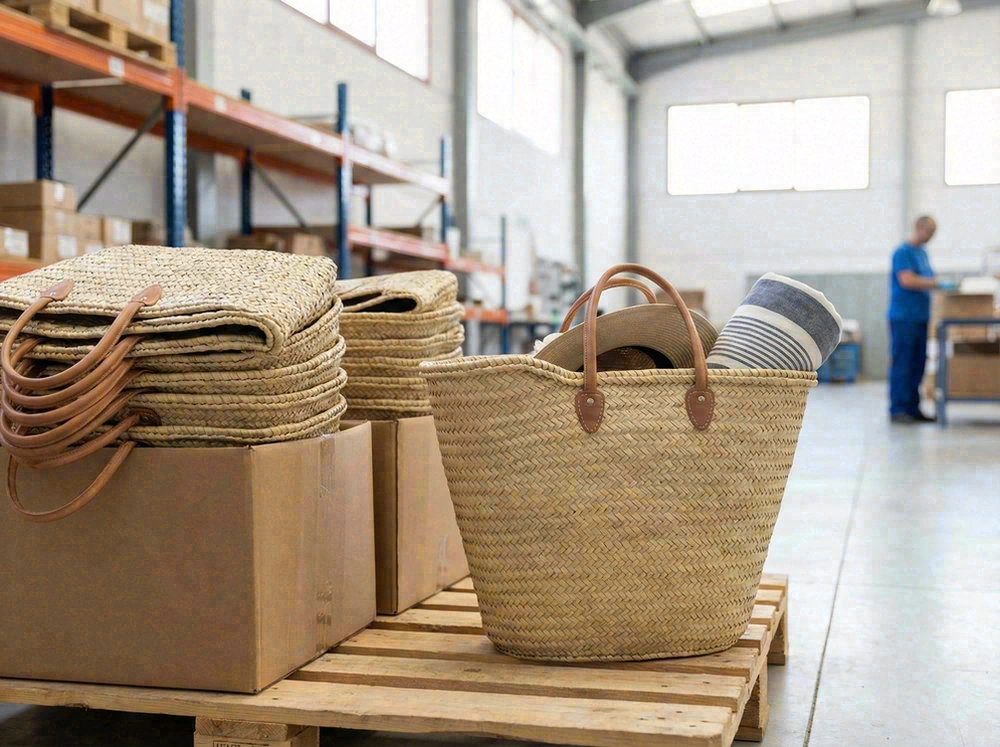
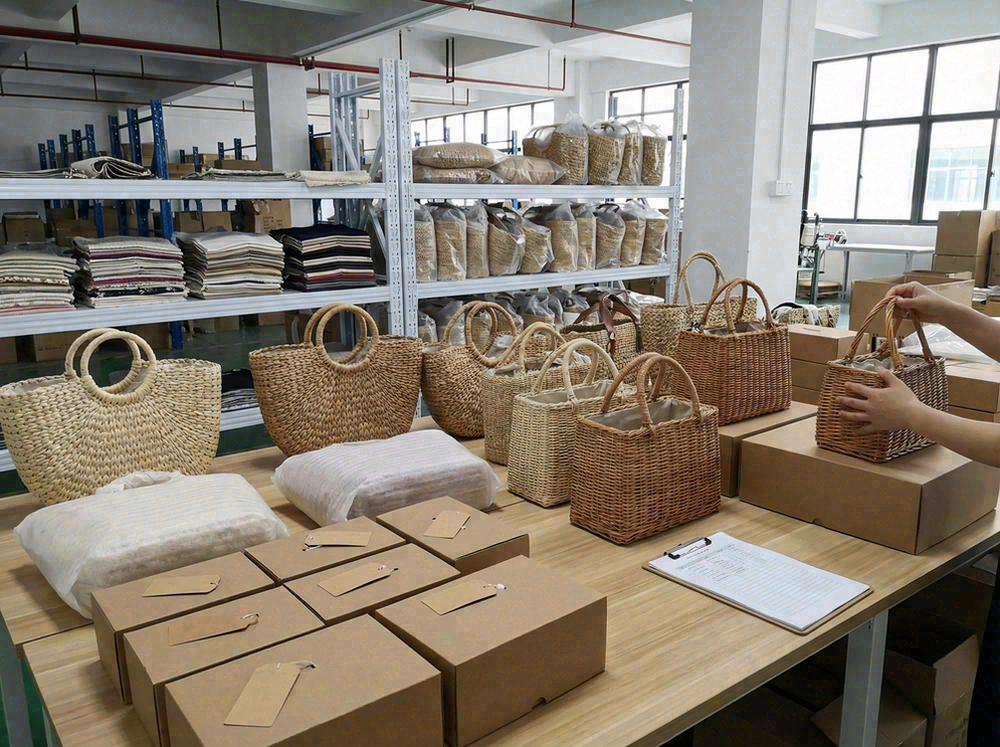
Looking for a structured natural-look bag that merchandises beautifully and reorders consistently? Clanbag designs wholesale wicker collections with controlled weave tension, reinforced handles, and retail-ready details like linings, pockets, and secure closures.
Wholesale buyers often see similar photos across marketplaces. The real difference shows up in-hand and over time: structure, finishing, comfort, and consistency from batch to batch.
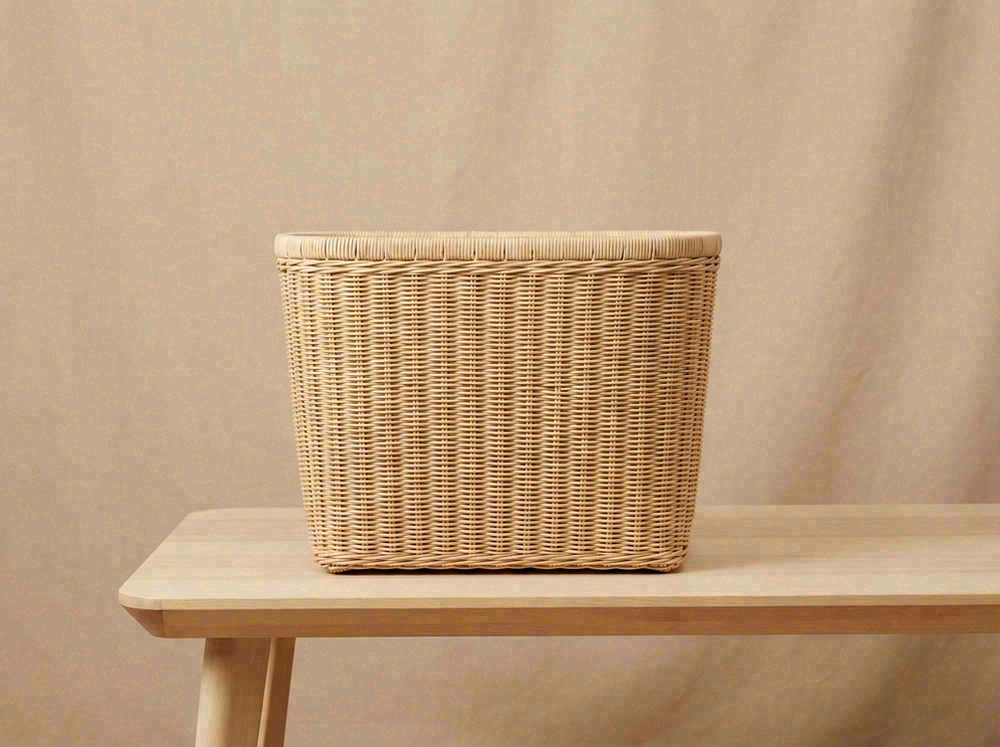
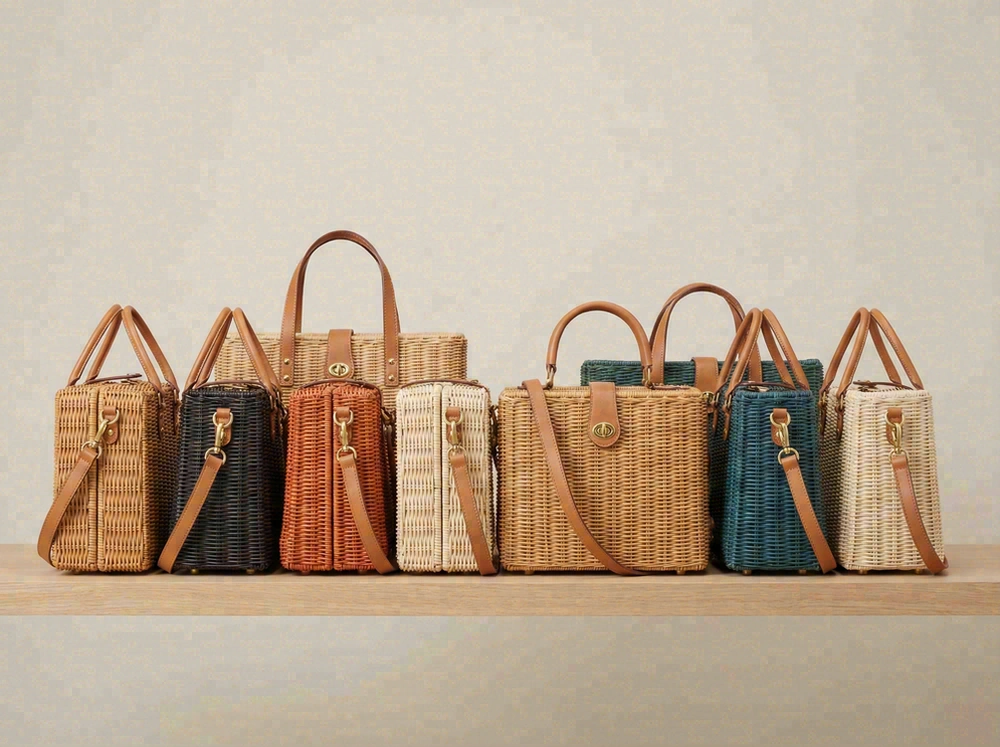
Structured bags sell because customers can immediately see the silhouette, capacity, and styling. We develop each style with reinforced top rims and stable bases so it stands on its own at the point of sale.
Depending on the design, this can include double-wall weaving, thicker core material, internal base boards, or wrapped edging that locks the weave in place. For B2B buyers, consistent structure reduces returns and markdown risk.
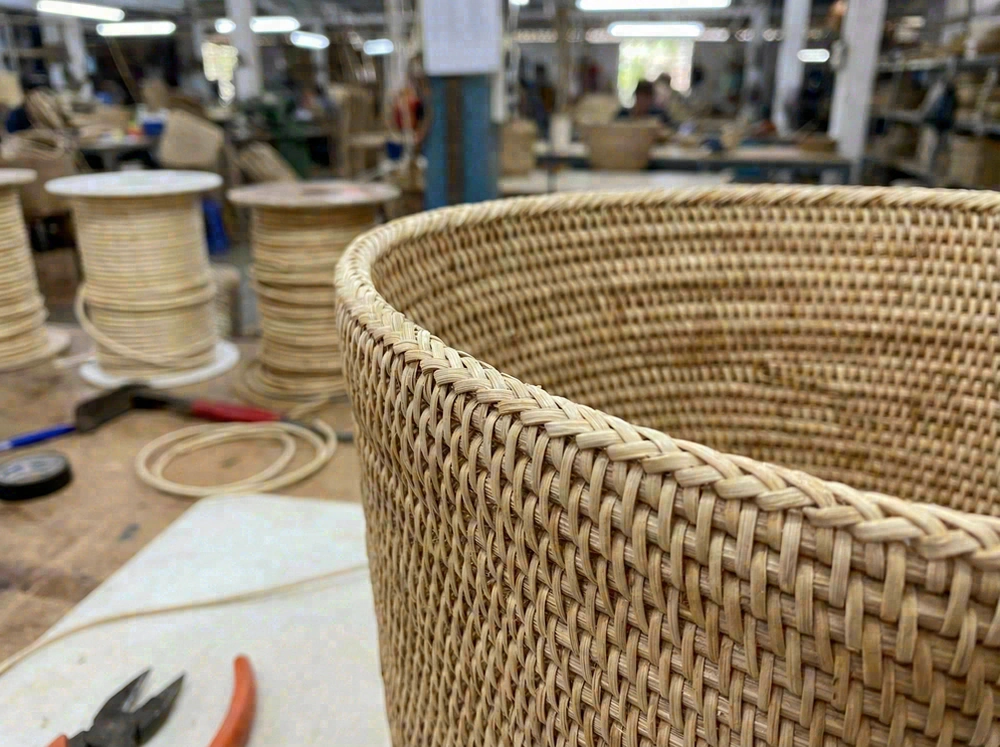
Natural woven bags are judged by touch. Loose ends, sharp splints, or uneven tension can quickly turn a beautiful concept into returns and bad reviews. We control weaving tension and finishing steps to deliver a smoother hand-feel and a more premium visual.
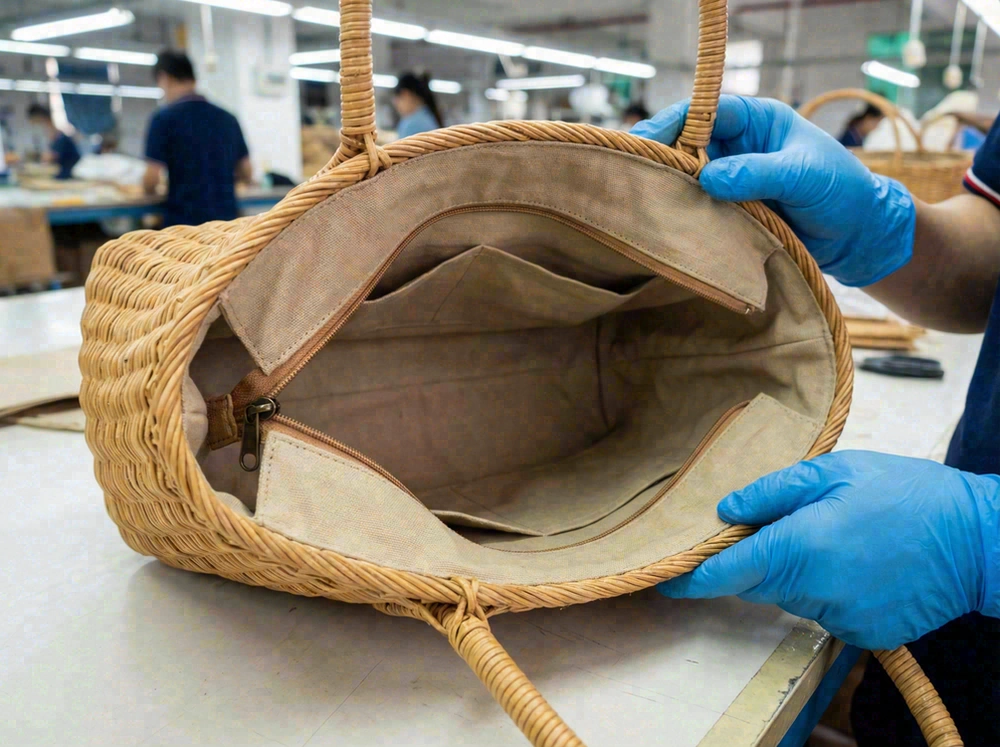
Common upgrades include bound top rims, wrapped edges, reinforced corners, and neatly tucked ends on the inside of the weave. Better finishing means lower defect rates at incoming inspection and fewer customer complaints about snagging on clothing.
Handles are where most failures happen, especially for shoppers who load bottles, sunscreen, and towels. We design handle attachments to match expected carry weight and the natural material used.
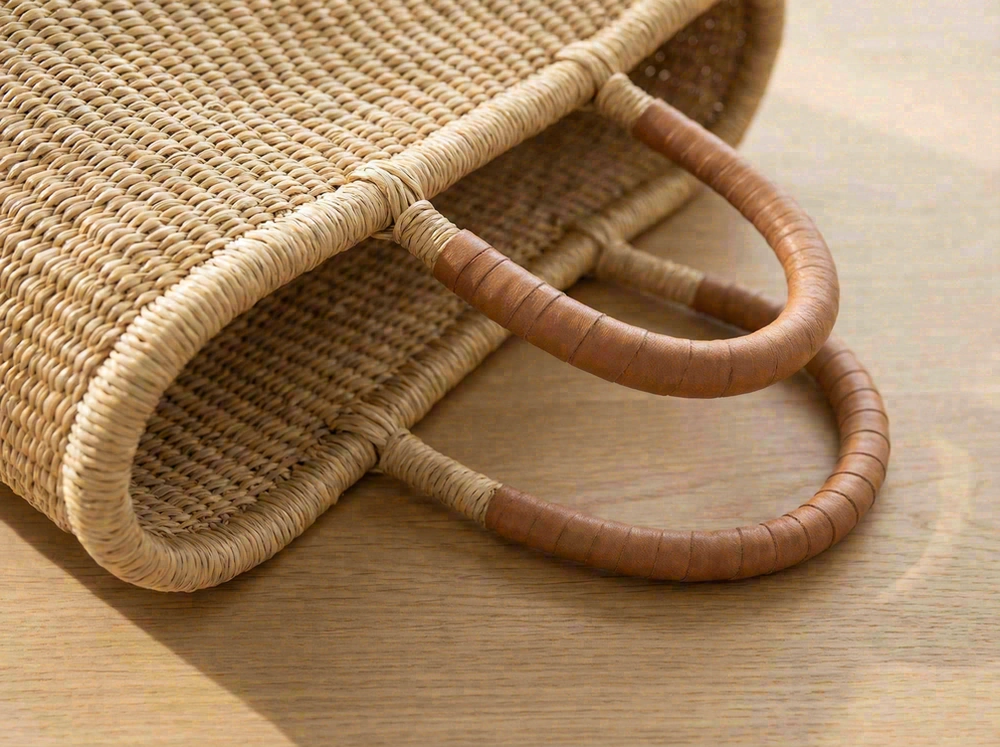
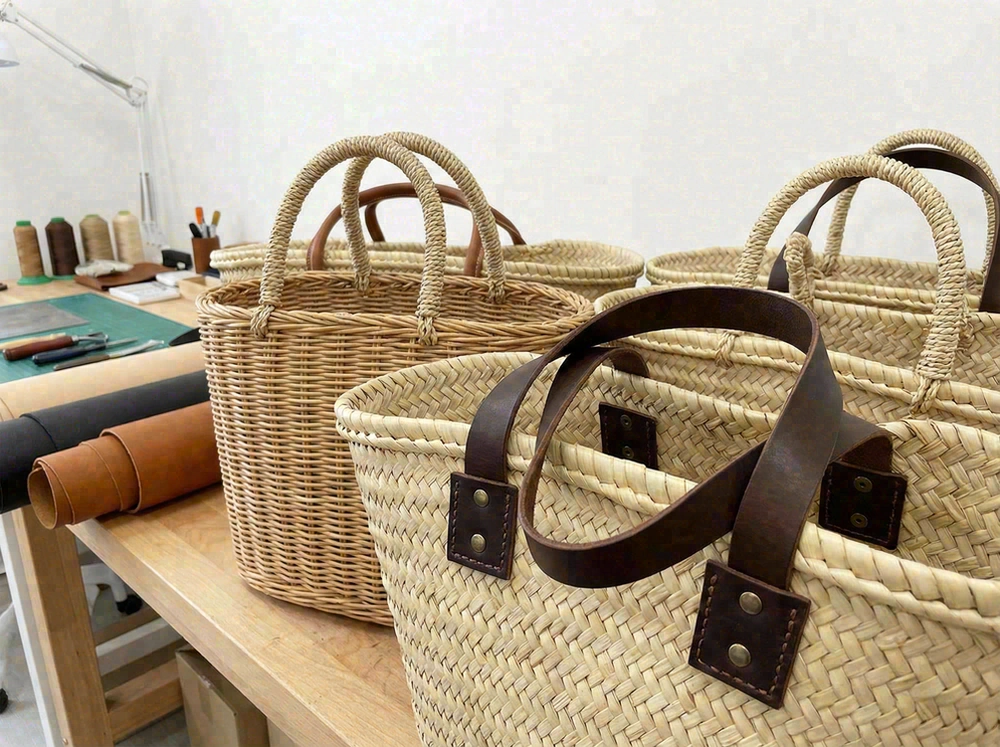
Options include solid rattan top handles, wrapped wicker handles, cotton rope handles, and shoulder or crossbody straps in PU leather, genuine leather, or webbing. Reinforcement methods include stitched tabs onto fabric lining, riveted straps through reinforced top rims, and hidden backing patches.
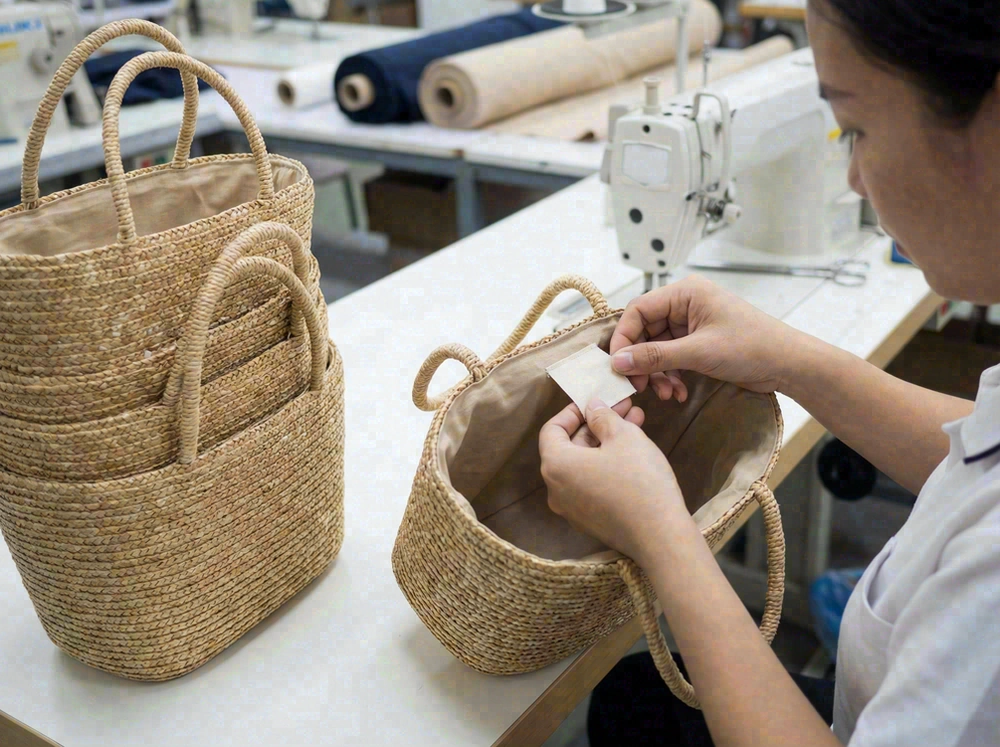
Many natural bags sell best when the exterior stays artisanal but the inside feels practical. We offer interior upgrades that increase average order value without changing the woven look: full linings, slip pockets for phones, zip pockets for keys, and reinforced base panels.
For security, choose from magnetic snaps, zipper tops, drawstring fabric liners, or flap closures depending on the style. Interiors are also the best place for branding that stays subtle, such as a woven label on the lining.
Natural is not one color. Small shifts in tone can change how an assortment looks when displayed together, so we plan colorways around your brand palette and retail story. Choose classic natural, black, white, or two-tone combinations.
Coordinate trims such as PU leather binding, genuine leather tabs, cotton webbing straps, or contrast stitching. For hardware, we can match finishes like gold tone, nickel, or matte black to align with other accessories in your line.
Natural woven products are best specified by options and ranges. Below is a practical specification checklist for quote requests and sampling. Final specs depend on the selected silhouette, weave, trims, and interior build.
|
|
Rattan/cane, willow/wood splint, bamboo strip, paper rope, blended natural fibers (based on desired structure and price tier). |
|
|
Open weave to tight weave; reinforced rim binding; wrapped edges; corner reinforcement; optional light protective coating (by design). |
|
|
Small to large assortments; common widths roughly 20-45 cm and heights roughly 15-35 cm depending on silhouette (custom sizing available). |
|
|
Rectangular tote, trapezoid basket, round, half-moon, mini top-handle, carryall. |
|
|
Rattan handles, wrapped wicker handles, bamboo handles, cotton rope, PU leather, genuine leather, webbing straps; detachable strap options available. |
|
|
Open-top, magnetic snap, zipper top, flap closure, drawstring inner bag/liner. |
|
|
Unlined, partial lining, full lining (cotton or polyester), slip pocket, zip pocket, key strap, reinforced base panel. |
|
|
PU/leather binding, contrast stitching, logo zipper pull, D-rings, rivets; hardware finishes can be matched by request. |
|
|
Woven label on lining, printed care label, hangtag, small logo plate on strap, embossed patch (depending on style build). |
|
|
Individual polybag, tissue wrap, dust bag, gift box (selected styles), barcode/price ticket attachment, master carton packing for export. |
|
|
Often 100-300 pcs per style per color, depending on materials, trims, and complexity (final MOQ confirmed at quotation). |
|
|
Sampling commonly 7-15 days; mass production commonly 25-45 days after approval (season and complexity can extend timelines). |
Woven natural bags are bought as lifestyle products, but wholesale success comes from matching the right build to the right selling environment. These scenarios show how structure, finishing, and packaging choices reduce risk and improve sell-through.
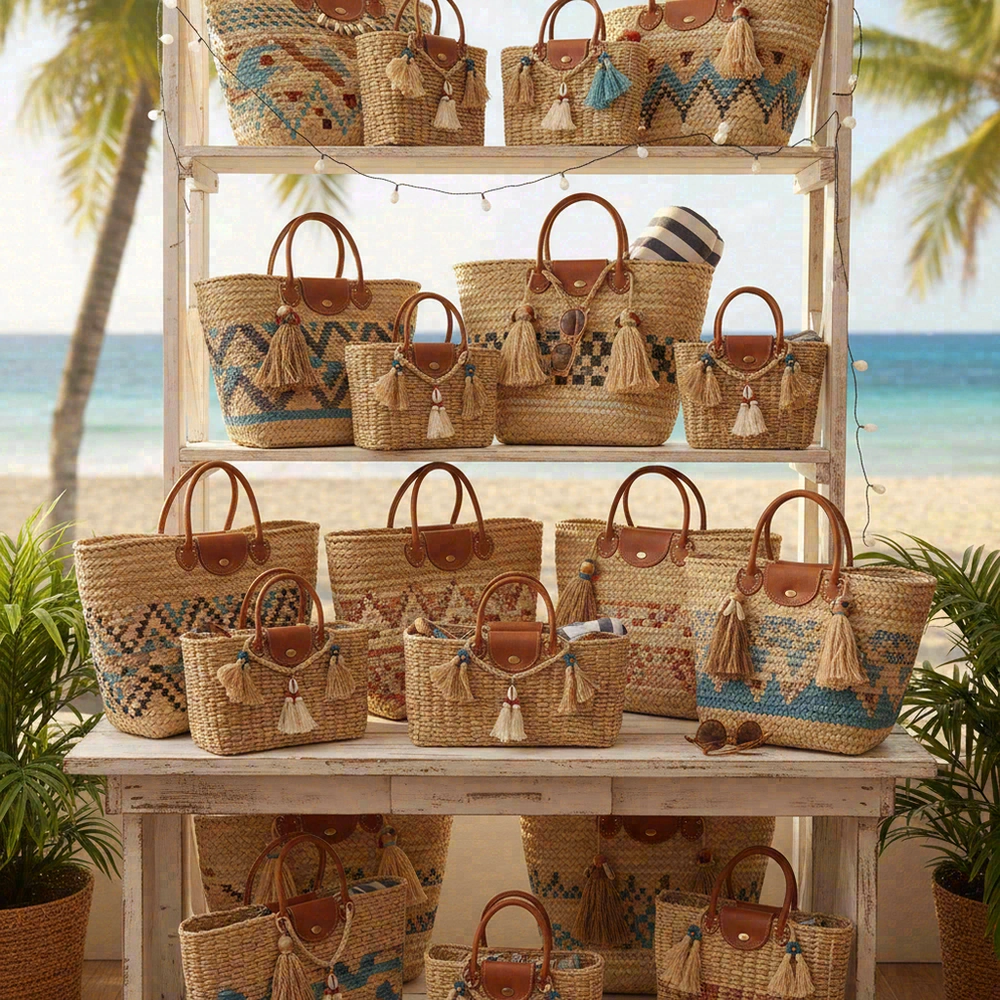
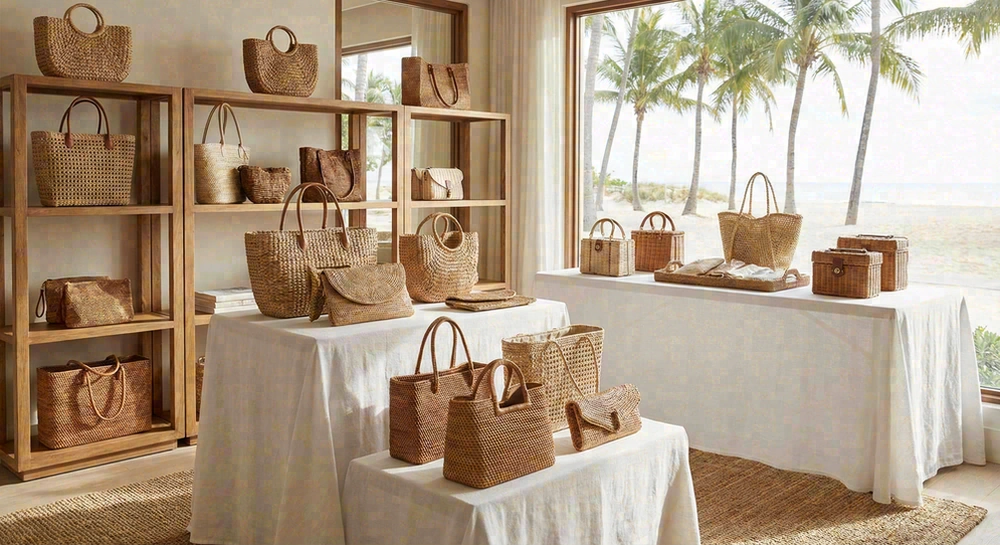
Boutique buyers need a natural statement piece that anchors seasonal merchandising without looking messy on shelf. Structured woven silhouettes help because they stand upright, show texture from a distance, and pair easily with sandals, hats, and cover-ups.
Result: Premium-looking assortment that photographs well and can be replenished mid-season with consistent sizing and finishing.
Resort environments favor products that feel vacation-ready and hold up to frequent handling. Customers often load towels, sunscreen, and personal items, so handle comfort and rim stability become critical.
Packaging matters: dust bags and neat hangtags help staff restock quickly and present product as premium.
Natural woven bags work well for collaborations because they communicate craft and summer lifestyle, but gifting programs require consistency.
This approach keeps the natural look while meeting operational needs of branded seasonal launches.
Not sure which application fits your channel?
Share your retail context and we'll recommend the right build and packaging.
Boutique and resort buyers often need the natural look to stay clean and minimal while still meeting practical retail requirements. We focus customization on the areas that matter most: finishing, function, branding, and packaging.
To speed development, start from a base silhouette (tote, zip-top, round, mini) and choose your structure level, trim family, and interior build. Then we align branding and packaging so the product is retail-ready when cartons arrive.
Weave density, rim binding, edge wrap, corner reinforcement, base board, optional light protective coating (by design).
Top handles, shoulder straps, crossbody straps; PU or leather strap upgrades; detachable strap hardware; comfort handle wraps.
Zippers, snaps, drawstring inner bags, full linings, pockets, key straps, reinforced base panels.
Interior woven labels, printed care labels, hangtags, small logo plates, branded zipper pulls, custom color trims.
Dust bags, tissue wrap, gift boxes for selected minis, barcode/price ticket attachment, carton labeling for store receiving.
Share reference photos or a simple tech pack (size, silhouette, handle type, closure, lining, target market, and target price tier).
We confirm materials and construction options and provide a quotation and sampling plan.
Sample development and feedback (structure, finish, and functional details).
Pre-production confirmation for color, trim, and packaging alignment.
Bulk production with QC checkpoints and export packing.
Wholesale buyers often hear "straw", "raffia", "rattan", and "wicker" used interchangeably online, but they perform differently in real retail environments. Wicker is the weaving technique, while rattan, willow, seagrass, palm, paper rope, and raffia are the raw materials. This matters for structure, weight, and how the bag holds up to in-store handling.
Because wicker describes a weave, the same silhouette can be built from different cores and still be merchandised as a wicker basket bag. Use the comparison below to align material choice with your target market, price tier, and durability expectations.
| Material Base | Look & Structure | Best For | Watch-outs | Care & Storage |
|---|---|---|---|---|
| Rattan/Cane (wicker weave) | Crisp texture and strong shape retention; premium basket look. | Boutique and resort assortments that need shelf-stable silhouettes and a premium hand-feel. | Natural tone variation; needs moisture control in humid storage; generally higher cost than soft fibers. | Keep dry; wipe with a soft dry cloth; store with desiccant in humid climates. |
| Willow/Wood Splint | Rustic visual with rigid walls; can feel more traditional and substantial. | Heritage or coastal aesthetics, gift shops, and styles that benefit from a firmer frame. | Can be heavier; requires good finishing to avoid splinters or rough edges. | Avoid crushing; keep away from high moisture; check rims and corners during display. |
| Paper Rope/Paper Straw | Smooth and uniform; lighter weight with controlled color consistency. | Mid-price programs that want a clean look, repeatable color, and lighter carry. | Lower water tolerance; structure depends on weave density and reinforcement choices. | Keep away from rain; store in a dry place; avoid heavy compression during transport. |
| Palm Straw (soft natural fibers) | Airier and softer hand-feel; often more relaxed silhouettes. | Volume programs and casual resort looks where softness is acceptable. | Less rigid; edges can fray without binding; may need lining for a polished interior. | Keep dry; avoid snagging on rough fixtures; use tissue or dust bags for shelf display. |
| Raffia | Fashion-forward texture; typically more flexible with a softer drape. | Trend-led boutique drops, statement colorways, and softer shapes like slouchy totes or clutches. | Lower structure by default; may need internal support or reinforced bases for standing display. | Avoid sharp pulls; store flat with gentle stuffing to maintain shape. |
Ship and store natural bags in dry cartons; use desiccant for humid routes when needed.
Display with light stuffing so the silhouette stays crisp without overstressing seams and rims.
Avoid prolonged direct sunlight in windows to reduce uneven fading on natural tones.
Wipe dust with a dry cloth; avoid soaking or harsh cleaners on natural fibers.
In the trade, "wicker" describes the weaving method, not a single raw material. Your customer may ask for a wicker basket bag, but the base can be rattan cane, willow, bamboo strip, paper rope, or blended natural fibers. For wholesale programs, the key is choosing a weave and finish that stays consistent across production batches and withstands handling in-store.
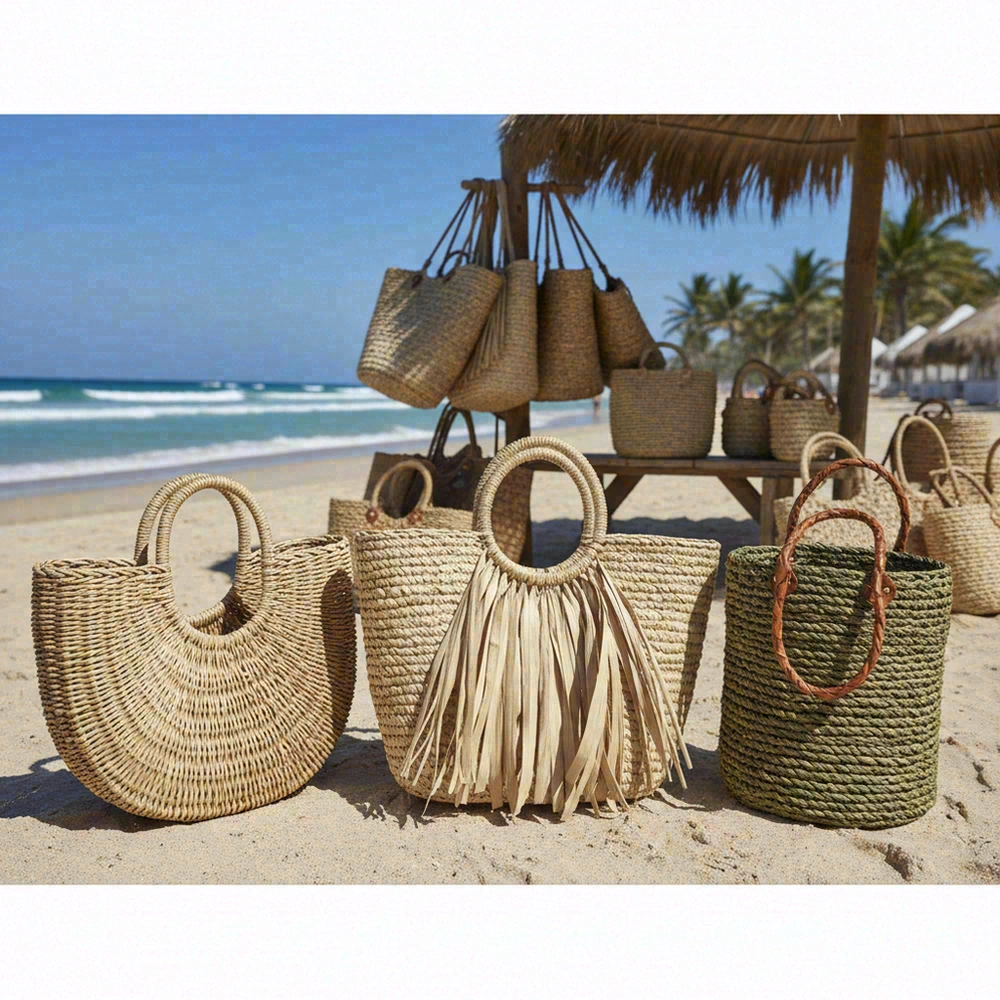
Our wicker beach bag assortments prioritize structure: firm walls, stable bases, and neat edges that hold their silhouette in photos and on shelf displays. That structure also makes functional add-ons easier, from zip-top closures to fabric linings and branded labels, without losing the natural look buyers want for summer and resort merchandising.
If you sell in humid coastal regions or want the most rigid build, many buyers start from rattan-based construction (often described as a rattan beach bag). If you want a lighter feel or a softer price point, we can recommend alternative weaves with reinforced top rims and handle wraps. Share your target markets, expected carry weight, and retail price band and we will propose the right build.
Rigid, semi-rigid, or relaxed builds change shelf presentation, perceived value, and packing method.
Top handles, shoulder straps, and crossbody options affect comfort, breakage risk, and market taste.
Open-top styles sell for aesthetics, while zippers or snaps reduce returns for travel-focused shoppers.
Lining and pockets improve usability and create a clean area for private label branding.
Hangtags, tissue, and barcode-ready packing reduce store labor and improve gifting appeal.
Share your specs and we'll recommend the right build.
Get StartedDifferent retail channels want different silhouettes. Use these style frameworks to build a cohesive program: one hero basket look, one secure travel option, and one smaller fashion piece to lift average order value.
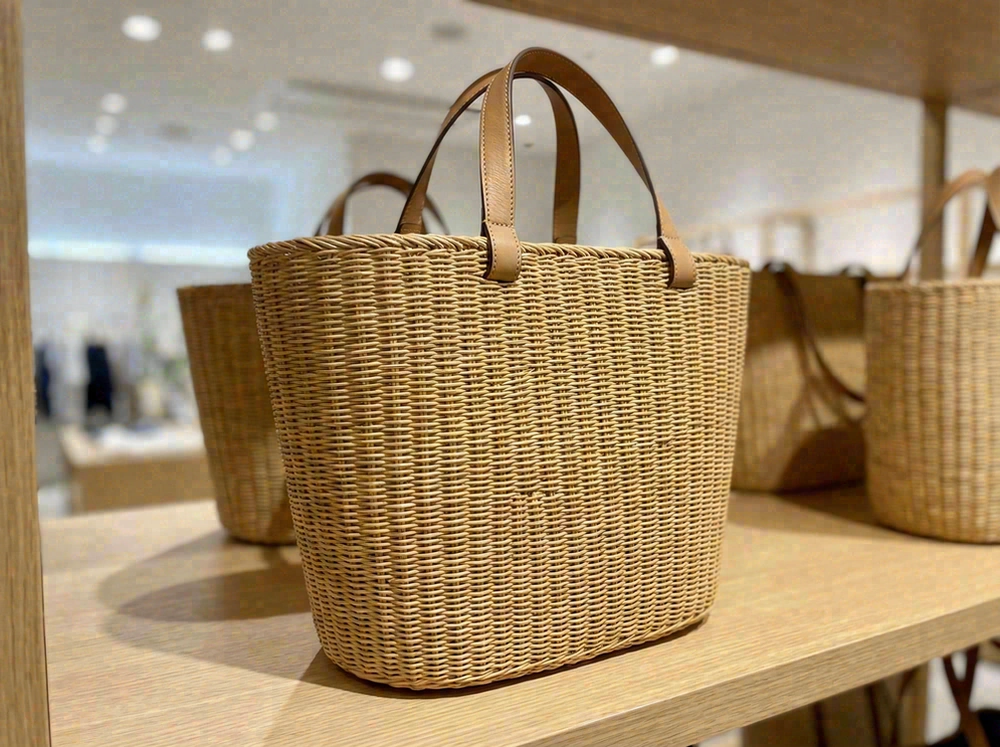
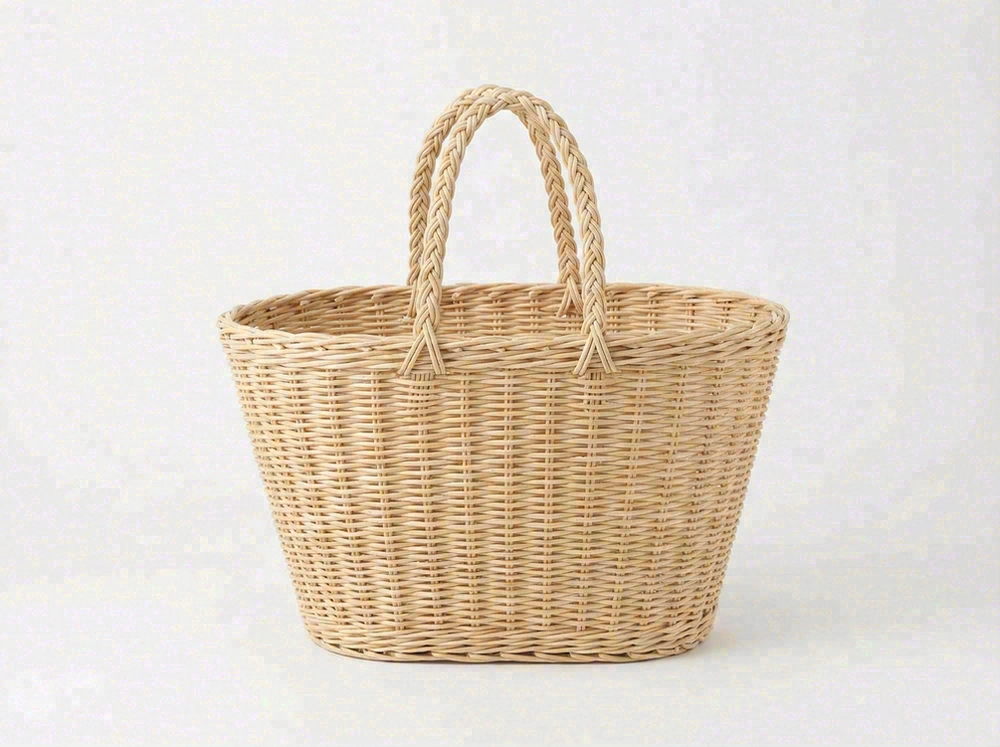
Open-top basket totes are the classic vacation silhouette. This is the easiest way to communicate a natural story on shelf and in product photos, and it works well for boutiques that style bags with scarves or charms. For a more premium look, specify a tighter weave, a reinforced top rim, and wrapped handles so the touchpoints feel smooth. Many buyers position this style as a wicker basket bag with minimal branding, then add a subtle inner label or hangtag. Optional upgrades include a removable lining pouch, a base board for stability, and protective feet to keep the bottom clean. Offer it in small and large sizes to create a simple price ladder and to fit everything from sunscreen to a light jacket.
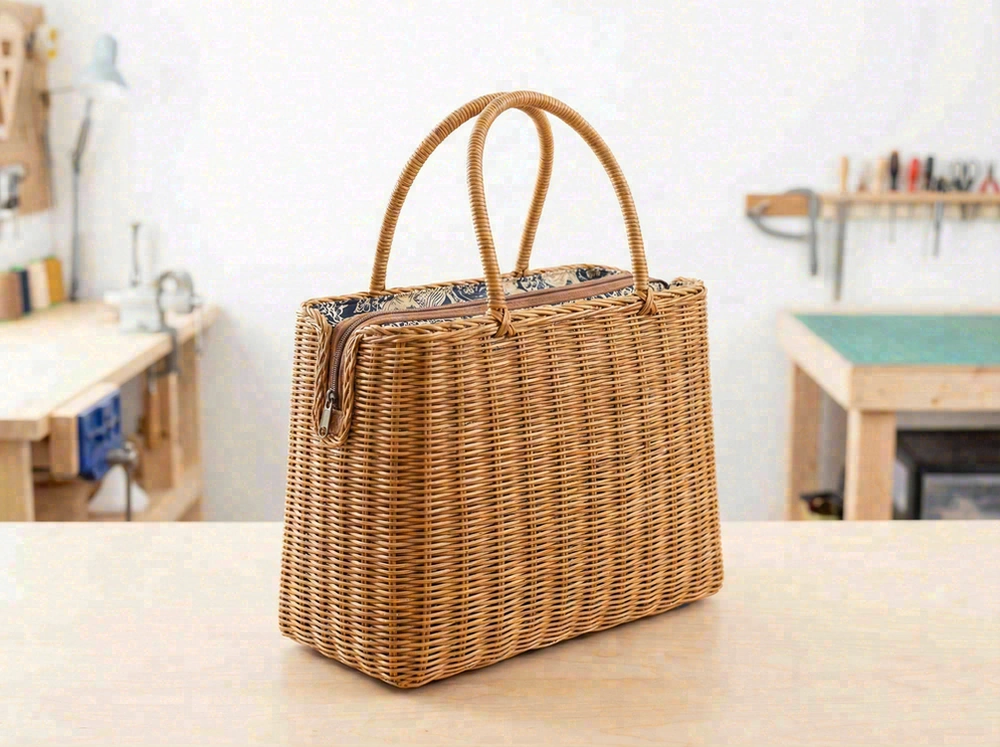
Zip-top structured totes are chosen when shoppers want a natural look but need security for travel. We build this silhouette with a stable top rim and zipper tape that sits smoothly without catching on the weave. A full lining helps the zipper installation look clean and adds a polished interior, plus it supports inside pockets for everyday items. This style is popular for resort gift shops and travel-adjacent boutiques because it can carry valuables while still looking like a summer basket. For wholesale programs, the closure can reduce return risk by preventing small items from falling out. Common upgrades include PU or leather corner patches, branded zipper pulls, and a detachable shoulder strap for hands-free carry.
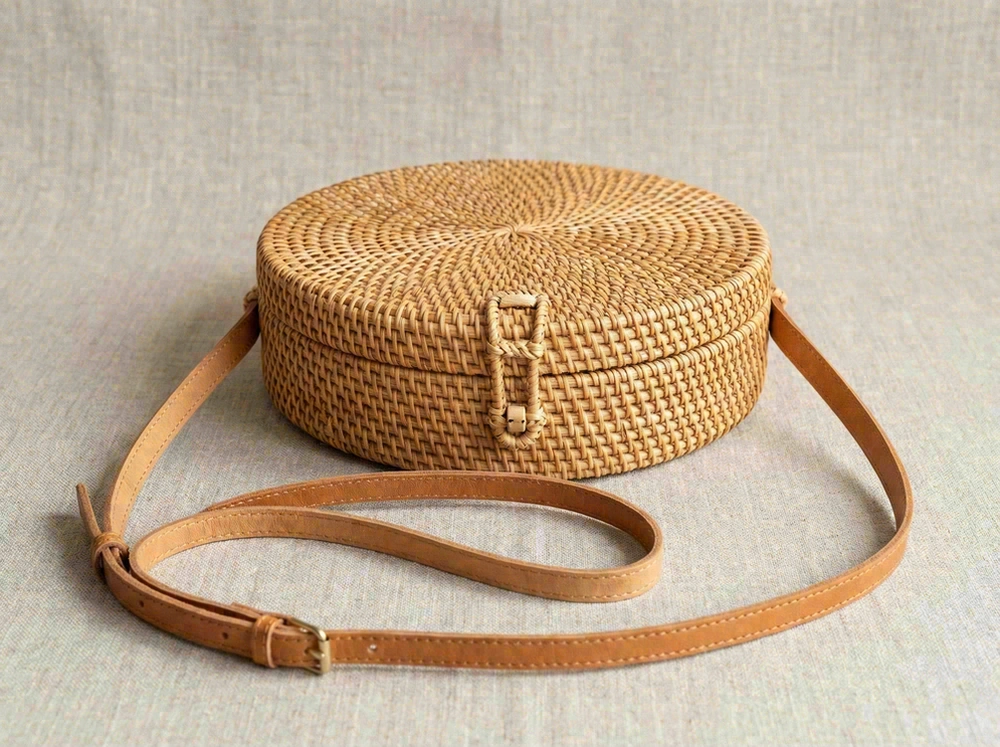
Round crossbodies are a strong add-on item for boutiques because the shape is instantly recognizable and easy to style with summer outfits. The structure helps the bag hold its circle profile, while a strap upgrade (PU, leather, or webbing) makes it feel modern rather than purely rustic. For function, many buyers add a fabric lining and a small interior pocket, or a zip closure for security. This silhouette is also easy to merchandise as a coordinated set with larger totes: same weave and trim family, different price point and use case. If you want a premium finish, specify smooth edges on the rim and a consistent weave density so the circle reads clean in product photos.
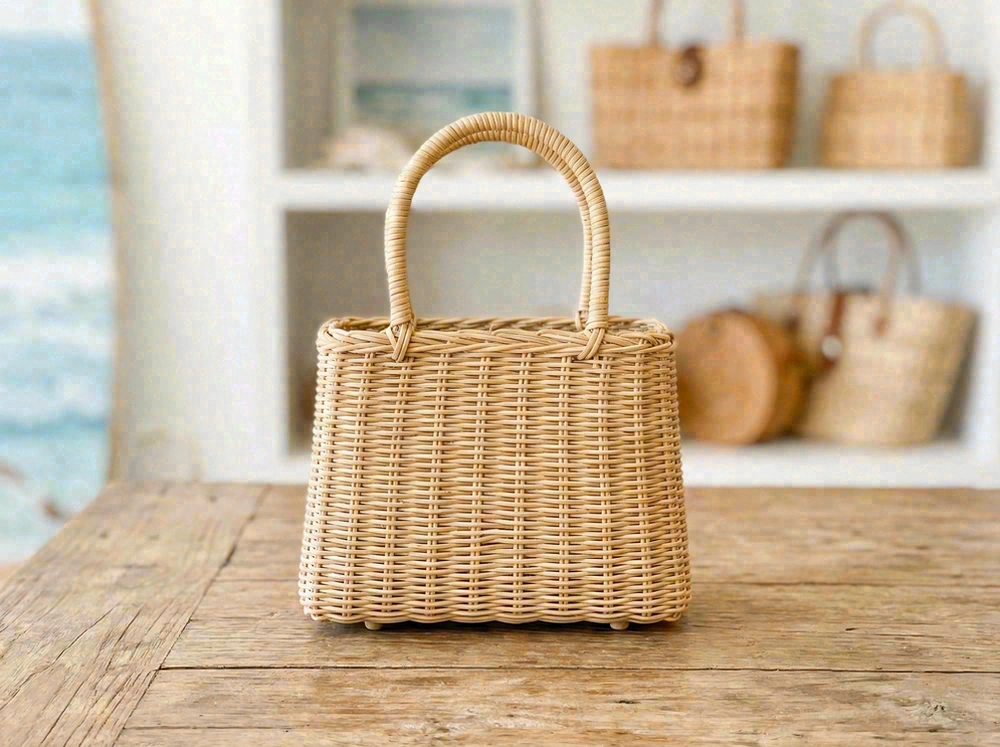
Mini top-handle baskets are ideal for boutiques that want a giftable, higher-margin accessory. The silhouette should feel compact and firm, with smooth touchpoints and an interior build that looks finished. Many wholesale buyers choose a short top handle and add a removable long strap to increase versatility. Functional options include a lining, a drawstring inner bag, or a small flap closure, depending on the price tier. Branding can stay subtle with a woven label inside, a small metal logo plate on a strap, or a hangtag. This style works well as a coordinated companion to an open-top tote, giving shoppers a smaller option without changing the overall natural story of the assortment.
Large carryalls are built for capacity and are often positioned for beach days, poolside use, and casual shopping. The key is balancing volume with comfort: reinforced handles, a stable base, and a rim that does not deform when the bag is full. Many buyers add long shoulder straps and a partial lining or internal pocket to improve usability without adding too much cost. For resort retail, a secure option like a snap or drawstring liner can reduce loss and keep contents private. This silhouette also supports merchandising stories like "weekend tote" or "vacation carryall", and it can anchor a premium display when paired with smaller crossbodies or minis in the same weave family.
Build a price ladder: one open-top tote, one secure zip-top, one small fashion silhouette.
Keep trim consistent across styles so the assortment reads like one program in-store.
Use hangtags and a simple care card to reduce customer hesitation with natural materials.
Photograph structure clearly: upright shots and close-ups of rim finish and handle attachments.
For natural categories, success depends on repeatability: consistent structure, clean finishing, and a sampling process that reduces surprises. These are the areas we optimize for wholesale customers.
Natural materials can vary, so we manage the variables that matter most to wholesale buyers: stable silhouettes, consistent sizing, and clear finishing standards. By specifying rim construction, weave density, and reinforcement points, we reduce the risk of a bag arriving too soft, uneven, or inconsistent across cartons. This is especially important for boutiques and resort retailers that rely on repeatable visuals for ecommerce and merchandising. Consistency supports cleaner assortments and fewer incoming-inspection issues, making it easier to reorder the same best sellers season after season.
A natural bag can look good in a photo and still fail in retail use if the handle attachment, rim finish, or closure is not engineered correctly. Our sampling workflow prioritizes practical checkpoints: stability when standing, comfort at touchpoints, secure closure operation, and interior cleanliness. We also align trims and color references early so you can build coordinated sets across multiple silhouettes. This reduces revision cycles and helps buyers finalize an assortment faster, especially when working toward seasonal delivery windows.
Most issues show up at the rim, corners, and handle attachments. We review these stress areas during development and apply reinforcement methods that match the style and expected carry weight. Clean finishing (tucked ends, wrapped edges, and smooth handle grips) is treated as a wholesale requirement because it affects returns, reviews, and perceived value. For export shipments, we also consider how packing and compression can impact natural materials, and we can recommend packing adjustments to protect shape during transit.
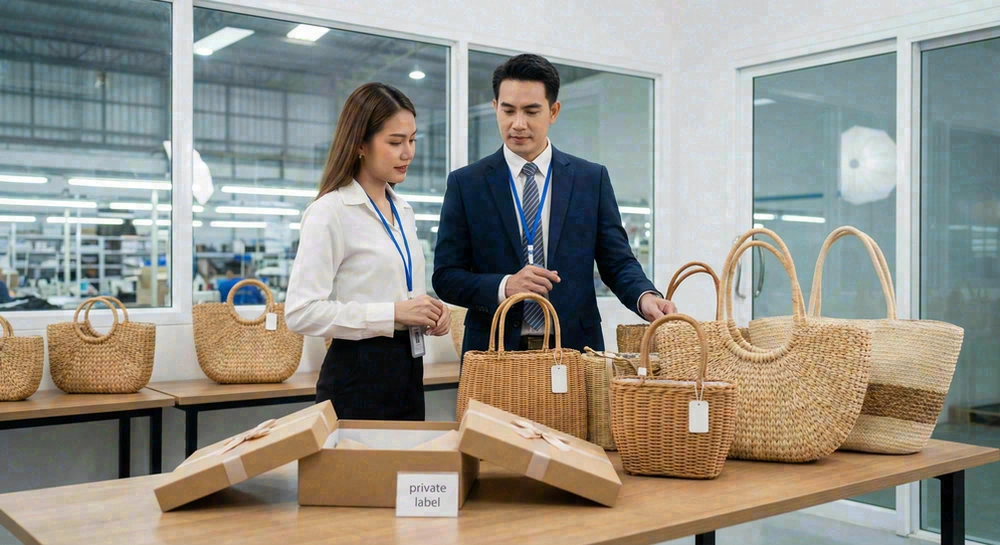
Wholesale buyers often need more than a product; they need a shelf-ready item that can be received and stocked efficiently. We support practical retail touches such as inside labels, hangtags, care cards, dust bags, and barcode or carton labeling options. This helps boutiques and resort shops reduce labor and present the bag as premium at first touch. For private label programs, we focus on subtle branding placement that keeps the natural look clean while still reinforcing your brand identity.
Common sourcing and development questions from boutique buyers, resort retailers, and private label teams.
A wicker beach bag refers to the woven construction (wicker) and can be made from several cores, including rattan cane, willow, or paper rope. A rattan beach bag is a narrower term that usually means rattan is the primary material. In practice, many products are both: rattan woven in a wicker method. For sourcing, focus less on the label and more on the performance specs: how rigid you need the walls to be, what finish you want at the rim, whether you need a lining and zipper, and the target price tier. We can recommend the best material and weave based on those requirements and your market.
MOQ depends on the silhouette, structure level, trim materials, and how many colorways you want. For many natural woven styles, typical starting MOQ is around 100-300 pcs per style per color, but complex builds (multiple sizes, heavy hardware, detailed lining and zipper work, or special packaging) can increase the minimum. If you are building a test assortment, we can often consolidate trims and interior materials across styles to keep MOQs manageable while still giving you variety. Share your target quantity, target retail price, and timeline and we will suggest a practical MOQ plan for your program.
Yes. A lining makes the interior feel polished and also provides a clean foundation for pockets, labels, and zipper installation. For zip-top designs, we typically stitch the zipper to the lining first, then attach the lining into the woven shell so the zipper tape sits flat and does not snag on the weave. Pocket options include phone slip pockets, zip security pockets, and key straps. If you prefer a more natural feel, a removable pouch liner can add privacy and function without changing the exterior. We will recommend the best approach based on the silhouette and target price.
Consistency starts with clear specifications: target dimensions, structure level, weave density, rim construction, and handle attachment method. During sampling we confirm the silhouette stands correctly, the rim stays stable, and finishing touchpoints feel smooth. For repeat orders, we reference the approved sample and apply the same construction and finishing standard, then check key points during production such as rim binding alignment, handle reinforcement, and edge cleanliness. Natural materials can vary in tone, so we recommend approving a color or tone reference early for programs that require tight visual consistency across seasons.
Rough edges are primarily controlled through finishing: tucked ends, wrapped rims, corner reinforcement, and smooth handle touchpoints. For odor and moisture, the key is keeping materials dry and stable before packing, then using export-safe packing that prevents trapped humidity. For humid routes or long storage, we can discuss moisture-control options such as desiccant packs and carton liners, plus packing methods that allow the product to keep its shape without heavy compression. We also recommend a simple care card so end customers store the bag properly and avoid problems caused by wet storage.
Yes. For branding, the most common methods for natural bags are inside woven labels, printed care labels, hangtags, and subtle logo placement on straps or zipper pulls (when used). For retail packaging, we can support options such as tissue wrap, dust bags, barcode or price ticket attachment, and carton labeling to help stores receive and stock efficiently. If the bag is intended as a gift item, selected styles can be paired with a more premium presentation like a dust bag or gift box. We will recommend the right packaging based on your channel, price tier, and handling needs.
Sampling is easiest when we start with a clear target: silhouette type, approximate size, handle and closure preference, interior build, and your target market and price tier. If you have reference photos, a simple tech pack, or even a sketch, share those along with your logo file if branding is required. We typically develop a sample for approval, then refine based on feedback (structure, finishing, trim matching, and packaging). Once the sample is approved, we confirm production specs and timelines. If your assortment includes multiple styles, we can prioritize one hero sample first and then extend the same trim family to the set.
Lead times depend on complexity and seasonality, but a common planning range is 7-15 days for sampling and 25-45 days for bulk production after approval. Peak season can extend production, so early sampling helps secure your retail delivery window. For shipping, sea freight is typically the most economical for bulk cartons, while air freight can be used for urgent replenishment or smaller volumes. We can pack to protect structure during transit and coordinate labeling to support smoother receiving at your warehouse or fulfillment partner. Share your required in-store date and destination so we can recommend a realistic timeline.
Have more questions about wholesale wicker beach bags?
Contact Our TeamTell us the style direction, target market, and order quantity, and we will recommend the right weave, handle build, and retail packaging for your wicker beach bag assortment. You will receive a clear quotation with MOQ options, sampling steps, and production timelines.
Get detailed pricing and sampling options within one business day
© 2026 Clanbag. Todos los derechos reservados.
¡Hola! 👋 ¿Cómo podemos ayudarle hoy?