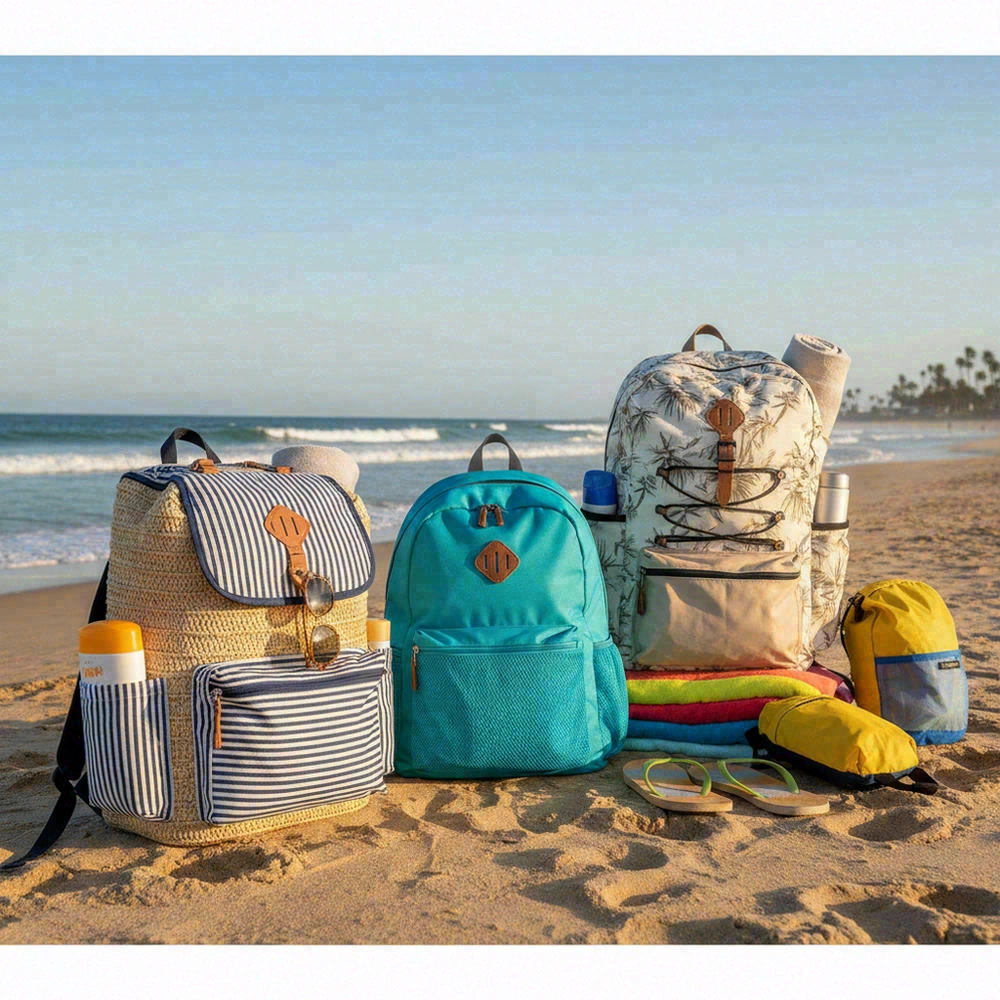
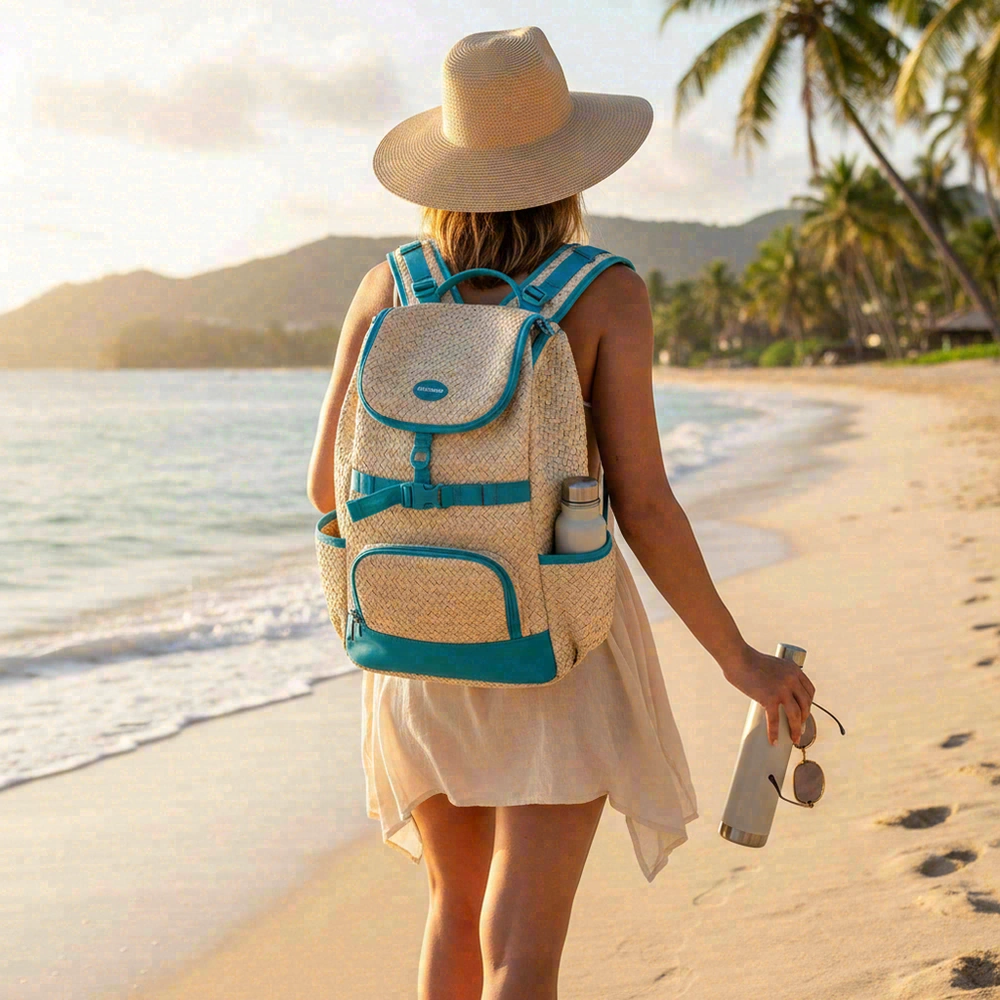
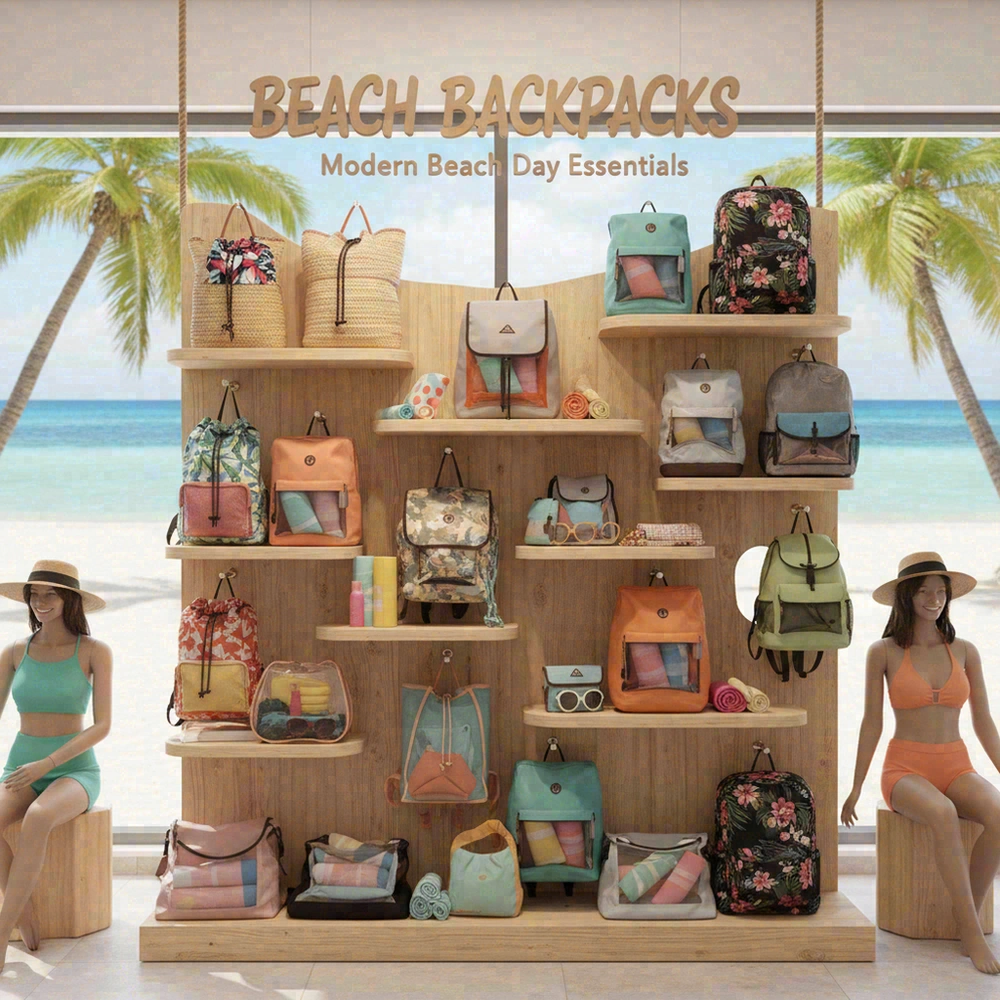
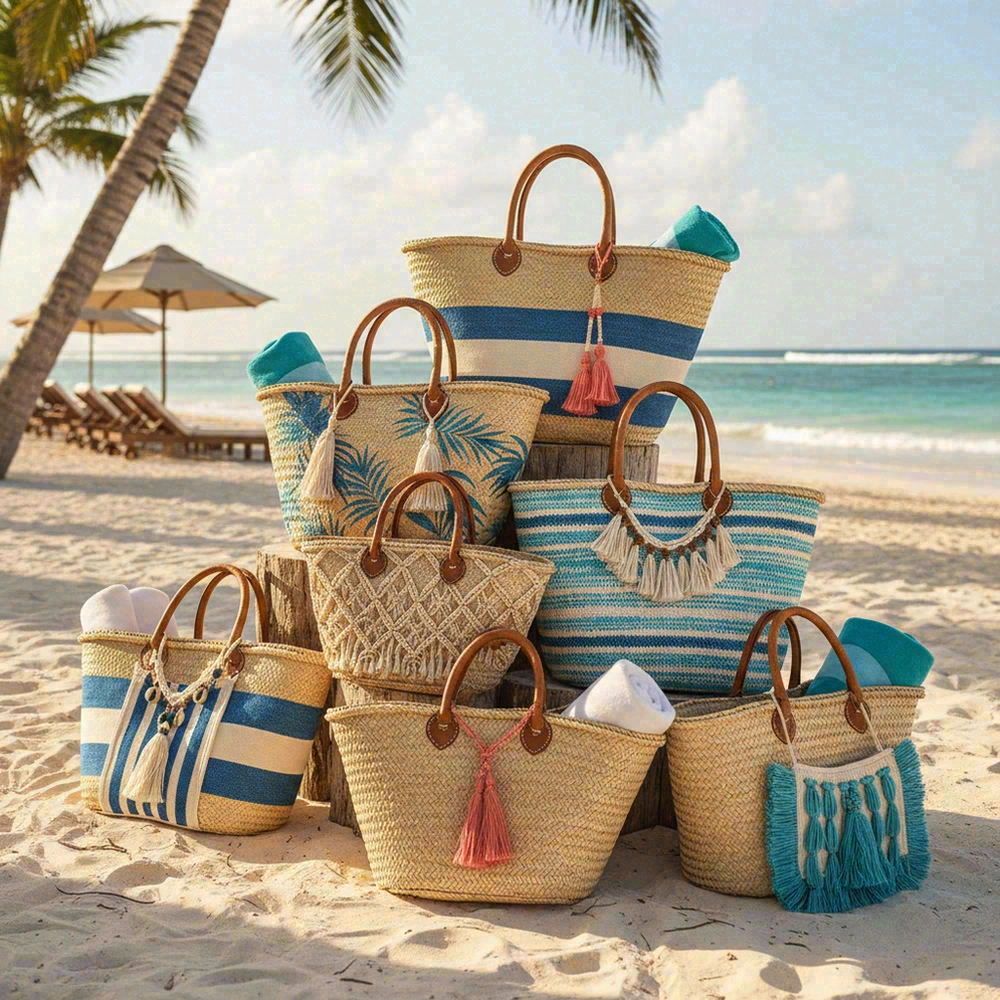
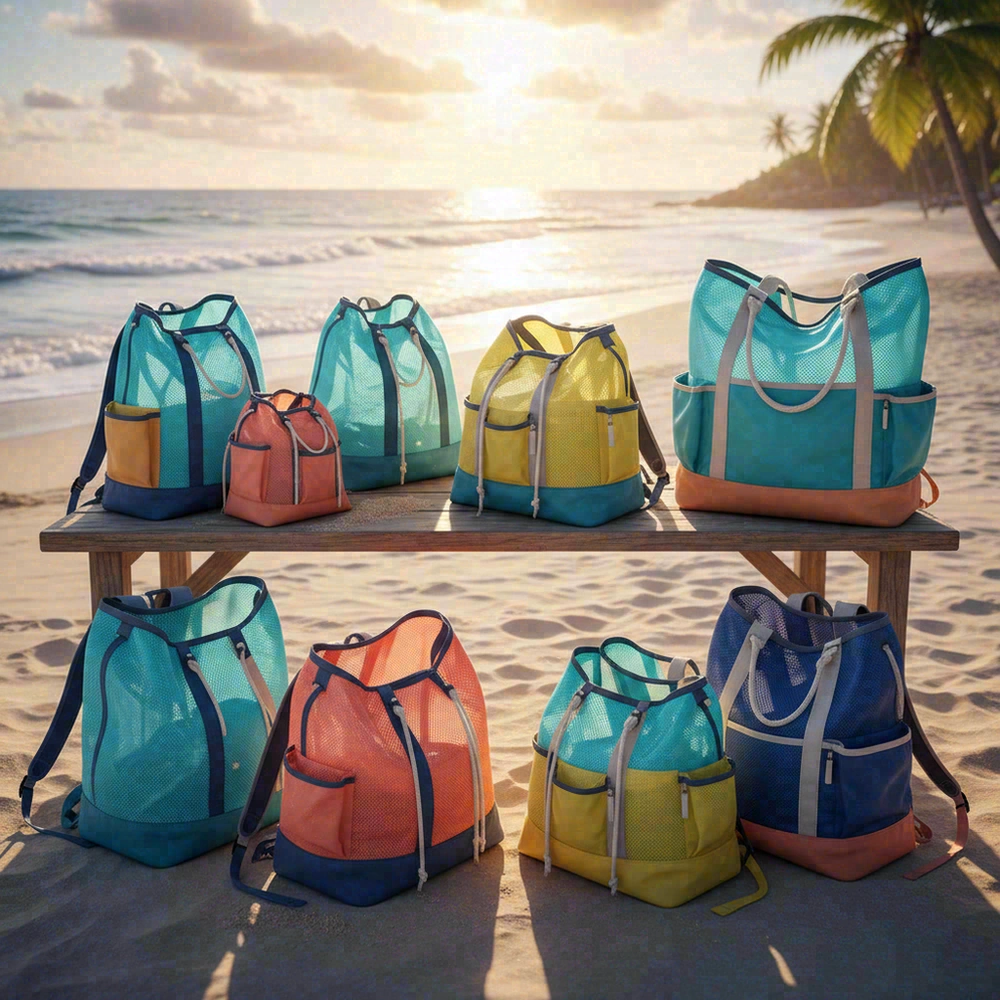
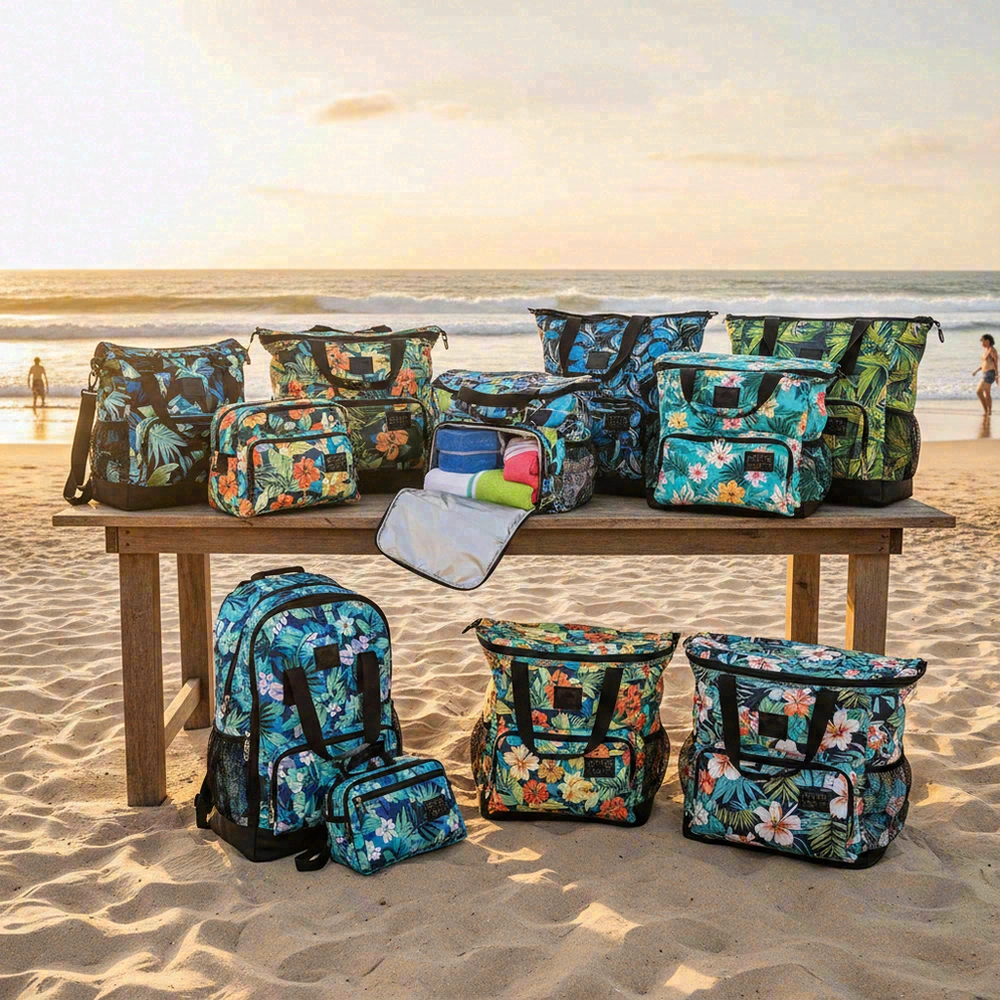
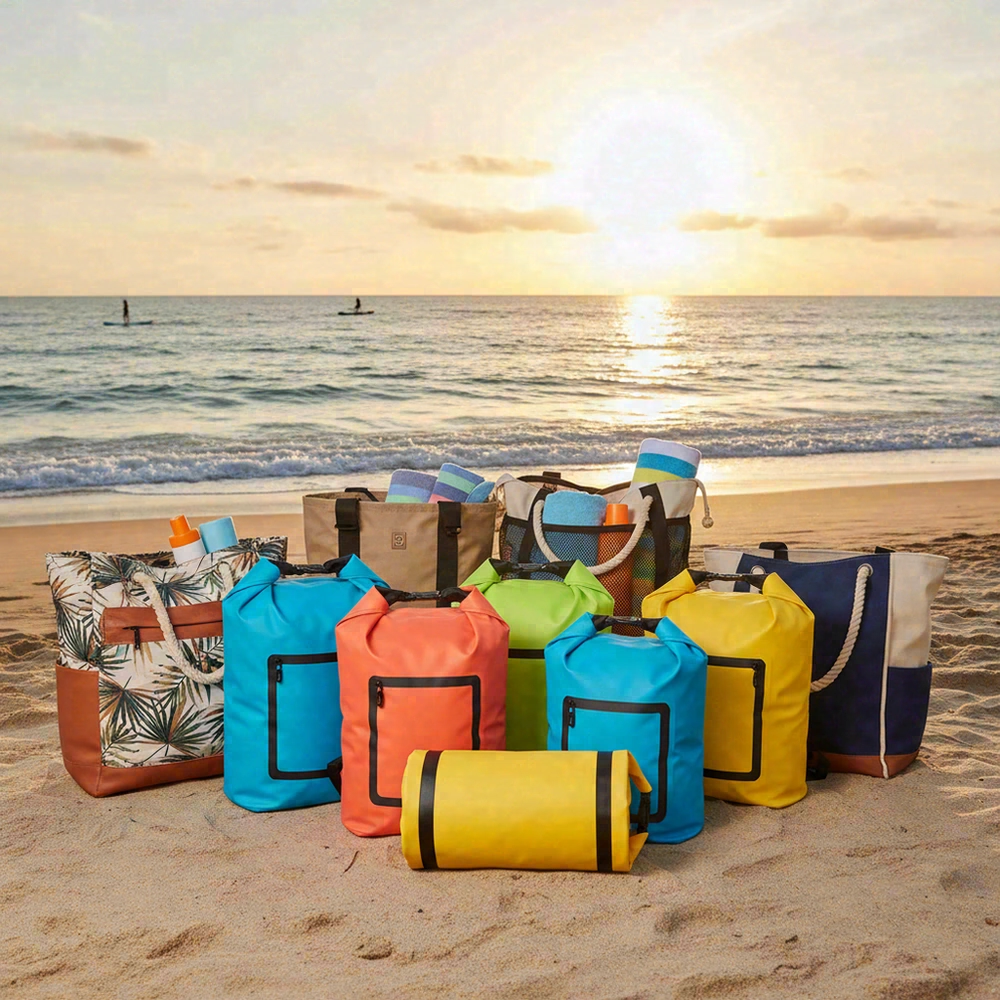
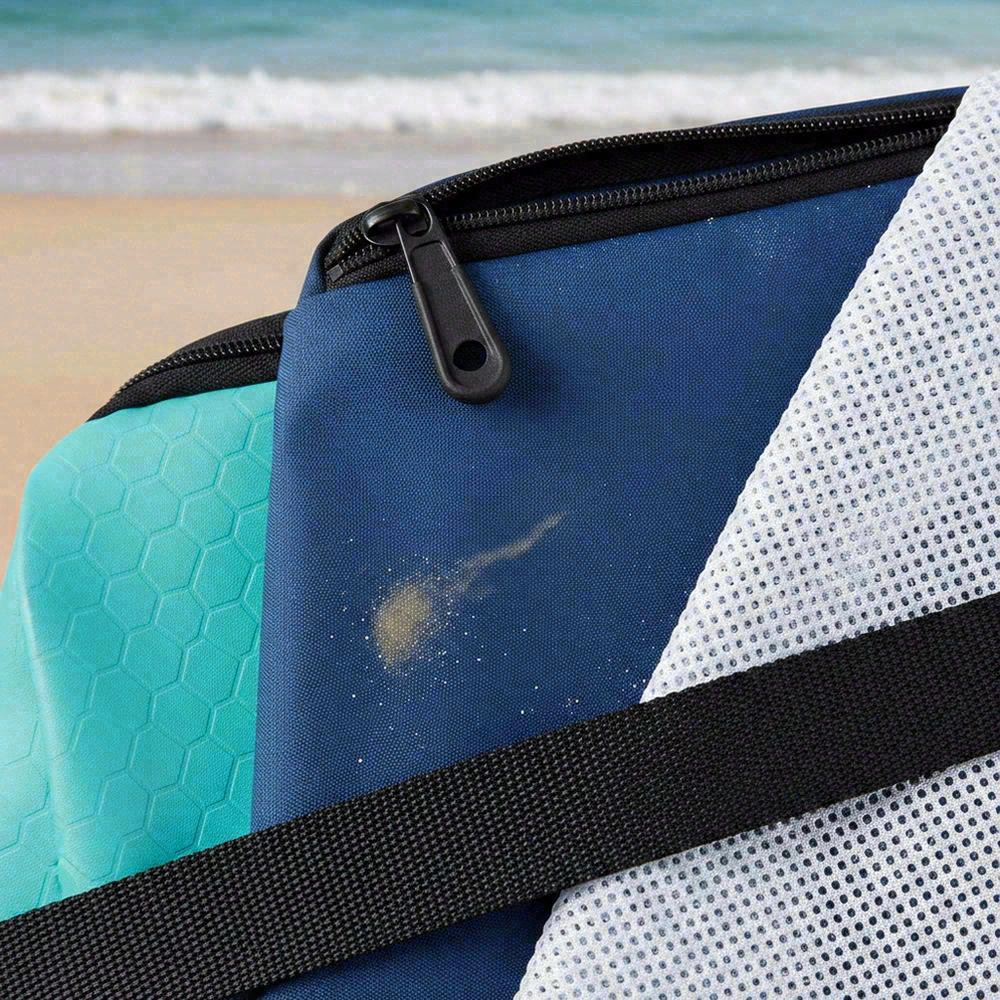
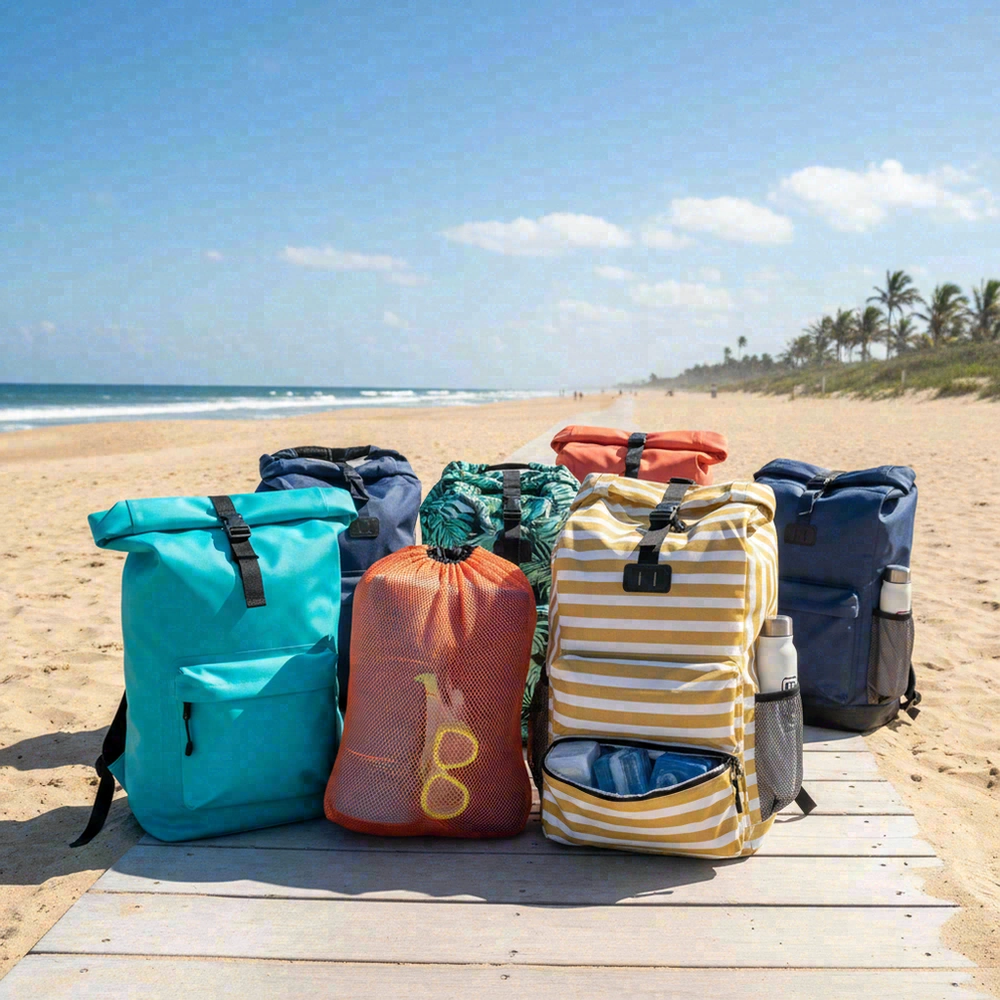
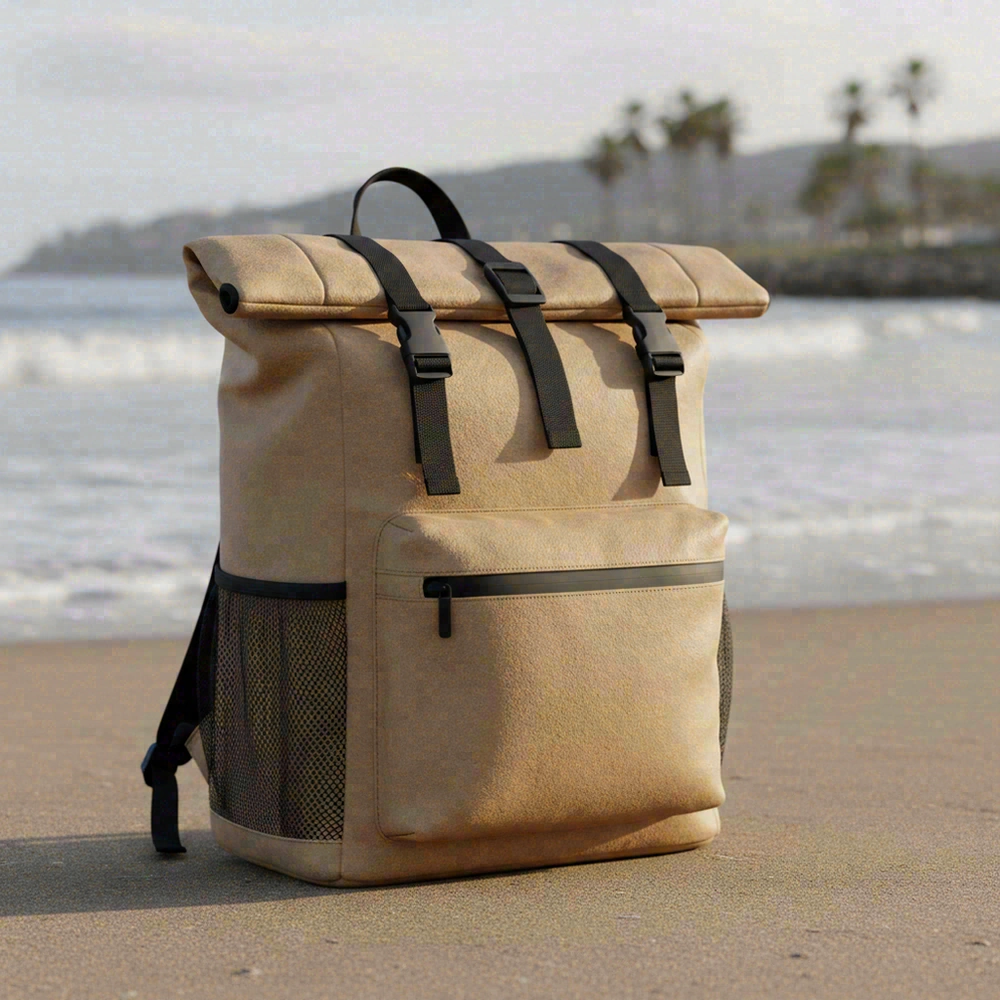
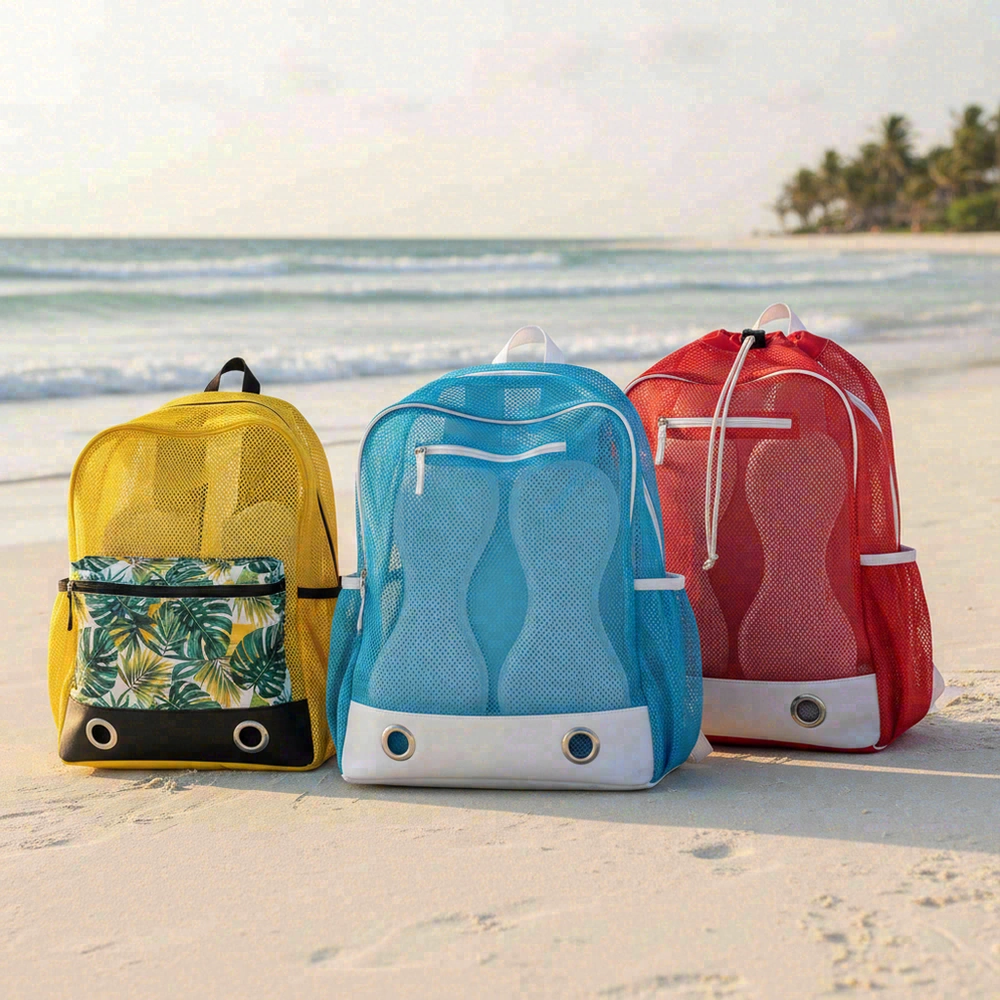
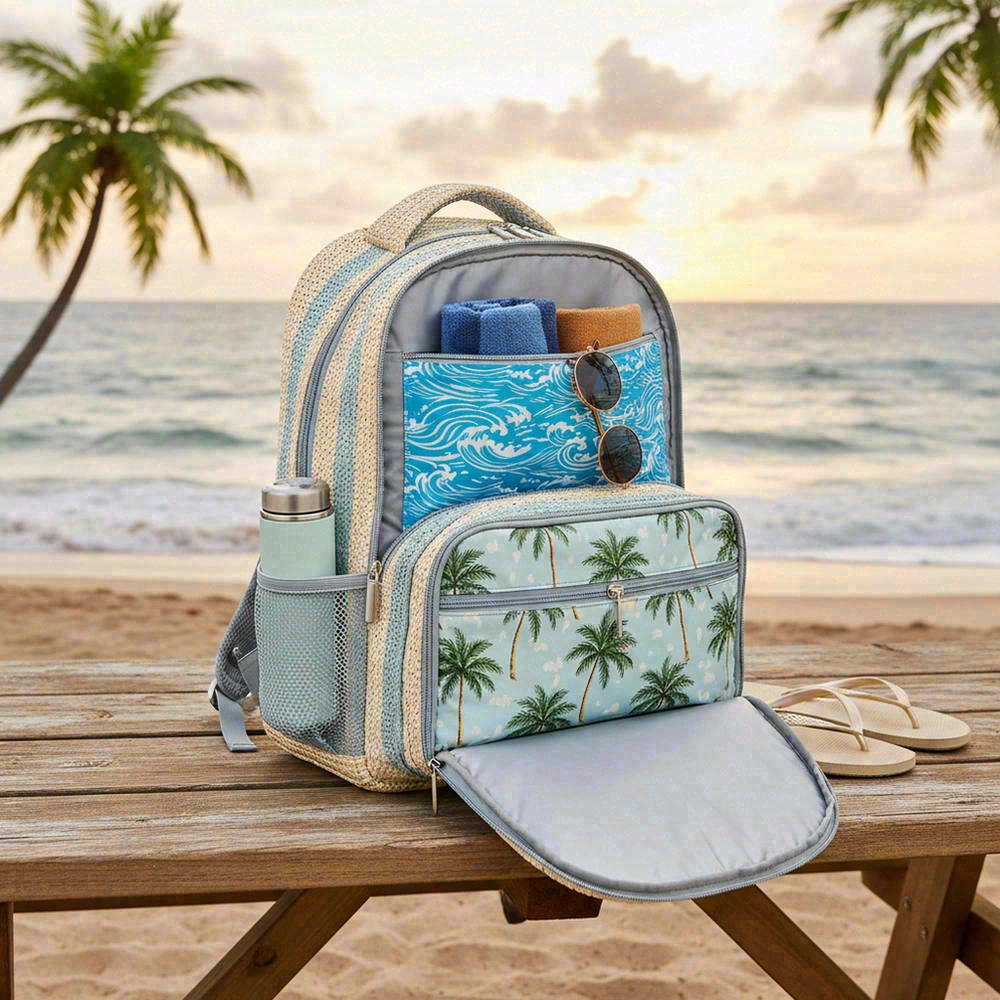
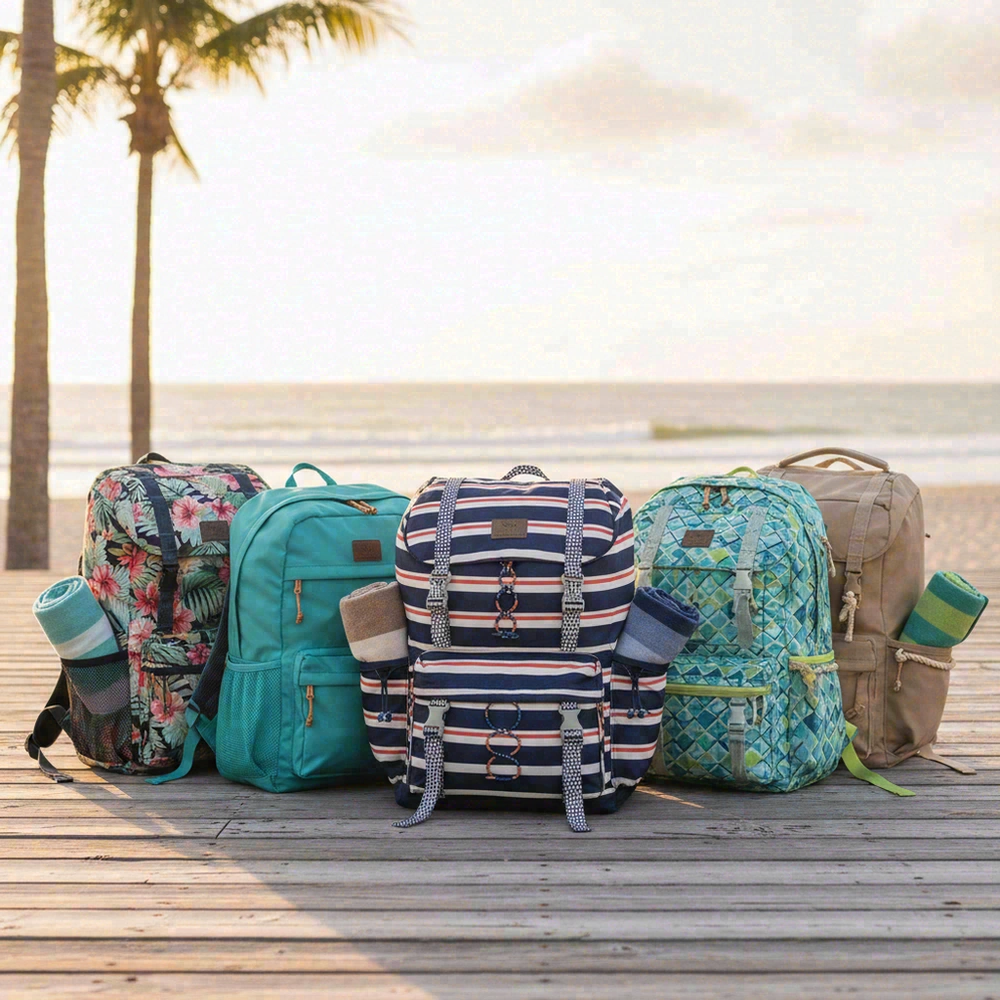
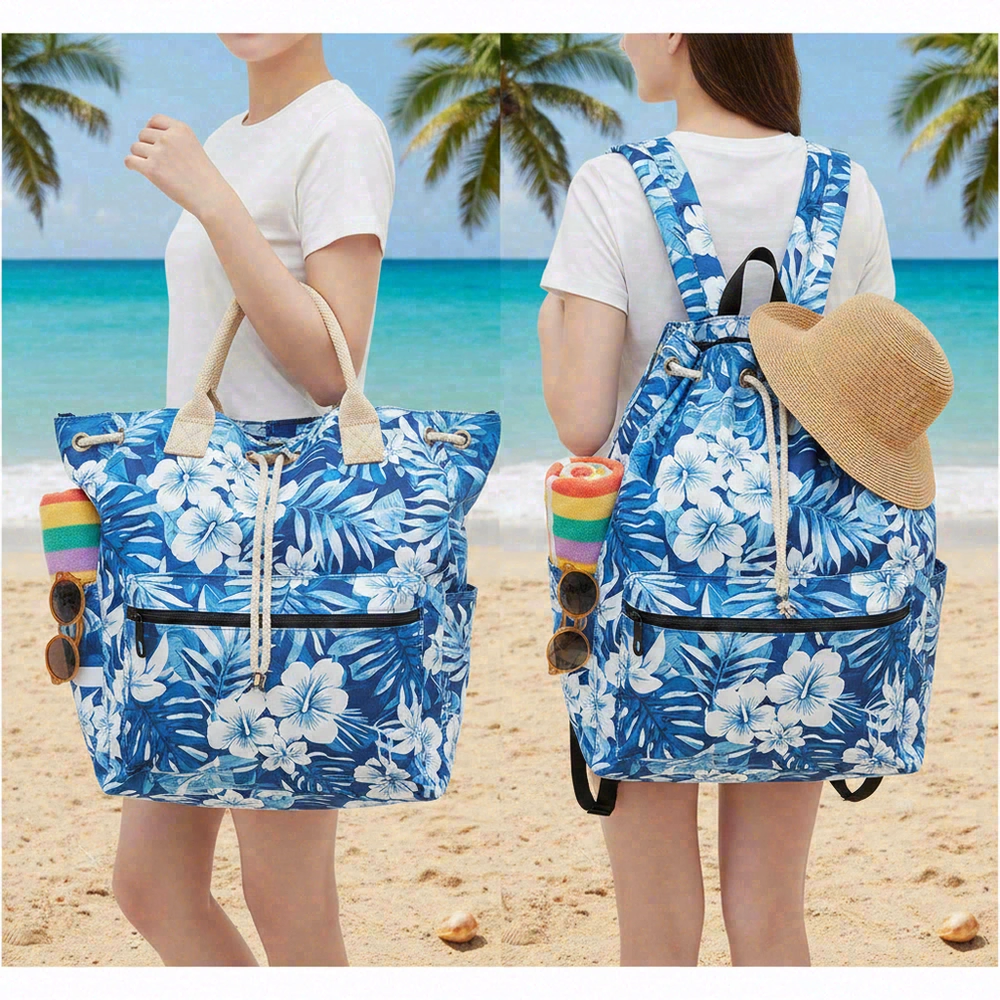
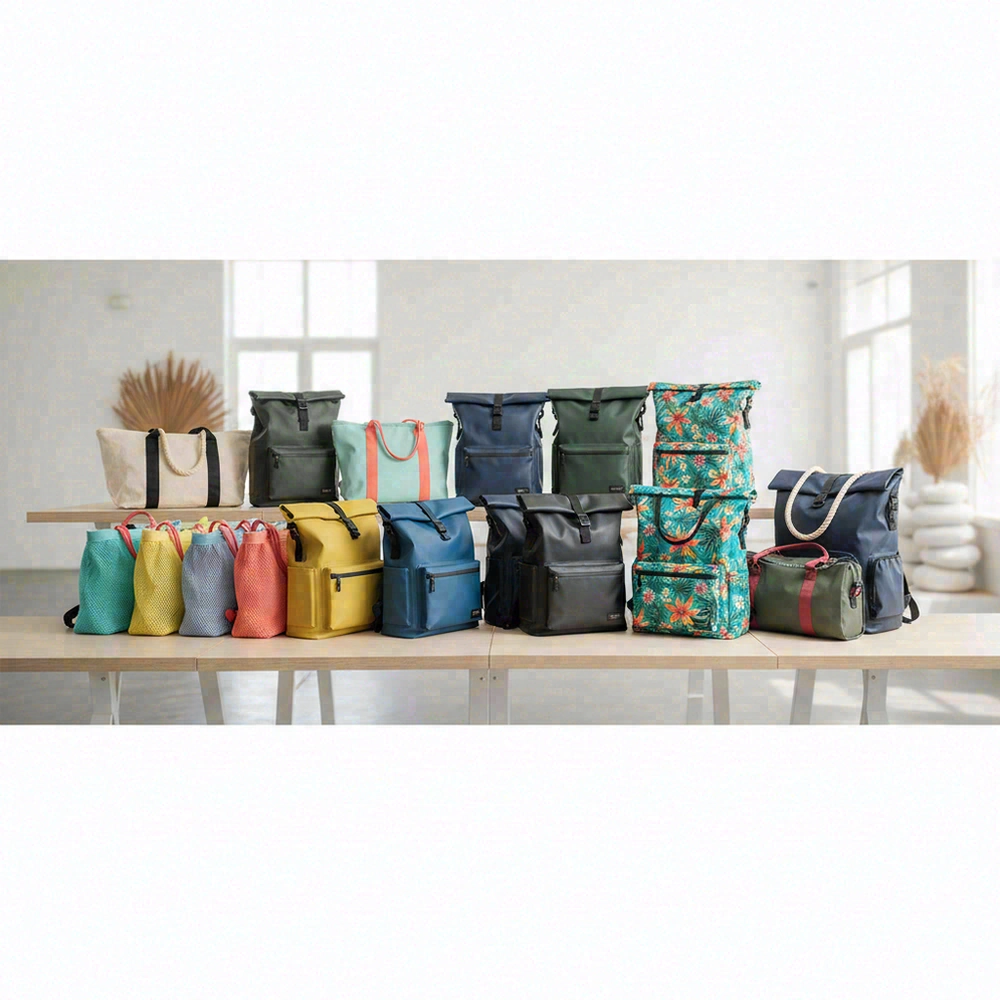
Source beach backpacks directly from Clanbag, a beach bag manufacturer since 2001. Our backpack designs keep customers hands free for cycling, boardwalks, and water sports, while giving retailers a high-perceived-value item that sells all summer. Choose waterproof builds with coated fabrics and seam-sealed options, or breathable mesh styles that shake sand out fast.
Use these ranges as a starting point for sourcing and assortment planning. Final specifications vary by structure, material, pocket count, and target price tier.
Every specification can be adjusted for your market. Configure pockets for wet/dry separation, bottles, and valuables, and add cooler compartments when needed.
| Specification | Typical Range |
|---|---|
| Capacity | 15-35 L |
| Dimensions | H 35-50cm, W 25-32cm, D 15-22cm |
| Fabric options | Polyester/nylon, mesh, coated |
| Closure options | Zipper, roll-top, drawstring |
| Pocket configuration | 1-2 main + 2-6 pockets |
| Cooler (optional) | Insulated compartment |
| Branding methods | Screen, transfer, embroidery, patch |
| Packaging | Polybag, hangtag, gift box |
Beach backpacks perform strongly across multiple B2B channels. Here are the key markets where our wholesale buyers see the best results.
Resort buyers need items that feel premium, convert quickly, and match the property aesthetic, while still being practical for guests to use immediately.
Backpack formats work for pool, beach, and excursions, so guests see the hands-free value right away. Choose clean colorways, simple feature messaging (wet pocket, bottle pockets, easy-wipe surfaces), and add co-branded hangtags for fast staff explanations.
A functional souvenir that guests reuse during travel and after the trip, reinforcing the property brand and supporting repeat sales in peak seasons.
Outdoor customers expect durability and functional details that stand up to abrasion, moisture, and repeated use, without overpromising performance.
Use tougher base fabrics, reinforced seams, and pocket layouts that separate wet gear from dry items. For higher water exposure, specify coated materials and closure designs that reduce splash ingress. Add practical touches like a dry valuables pocket and drainage features.
A product that aligns with active-lifestyle expectations and supports premium positioning with tangible, feelable features.
Promotional programs need clear branding space and a gift that feels higher-value than basic totes, while staying on-budget and on-time.
Backpack styles provide a large front panel for logos and a practical form factor for events, sports tournaments, and employee gifts. For budget builds, simplify pockets and standardize materials; for premium campaigns, add custom lining prints or upgraded trims.
A brandable, practical summer giveaway that improves perceived value and increases repeat use beyond the event.
Compare carrying styles to find the right format for your target market and channel positioning.
| Criteria |
Backpack
|
Tote Bag
|
Crossbody
|
|---|---|---|---|
|
Hands-free carrying
|
Best for walking, biking, and families | One-hand carry, less stable when loaded | Hands-free but lower capacity |
|
Capacity and load comfort
|
High capacity with better weight distribution | High capacity but can feel heavy on one shoulder | Low to medium capacity |
|
Wet/dry organization potential
|
Strong: multiple compartments and wet pockets | Moderate: can add pouches but less structured | Limited space for separation |
|
Best channel fit
|
Outdoor
Travel
Premium Resort
Promo Upgrades
|
Souvenir
Beach retail
Everyday
|
Fashion beach
Light carry
|
|
Merchandising story
|
Active-lifestyle and convenience | Classic beach essential | Style-focused, lightweight |
If you need a functional step-up item, backpacks are the clearest upgrade. Many assortments pair a core tote with a backpack as the premium or active-lifestyle option. This creates a natural good-better-best ladder that supports multiple price points and customer segments.
From fabric selection to pocket placement, we help you design beach backpacks that match your brand identity and customer expectations. Our factory supports full OEM/ODM production with flexible MOQs.
Choose from 600D polyester, recycled RPET, nylon, or mesh panels. Add water-resistant coatings, reflective strips, or textured finishes.
Pantone color matching, all-over sublimation printing, screen printing, embroidery, woven labels, and rubber patches available.
Configure main compartment size, add wet/dry separation, insulated cooler pockets, mesh side pockets, or hidden security pouches.
Select zipper brands (YKK, SBS), buckle styles, drawstring toggles, and strap adjusters. Custom-engraved zipper pulls available.
Add PEVA-lined cooler compartments, removable insulated inserts, or full cooler backpack conversion with food-safe certification.
Share your design brief, target market, and quantity requirements. We'll suggest optimal materials and features.
Our team creates detailed technical drawings with measurements, material specs, and construction notes for your approval.
First sample produced in 10-14 days. Includes actual materials, hardware, and branding for physical evaluation.
Review sample, request adjustments. We offer up to 2 free revisions before finalizing production specifications.
Mass production begins with QC checkpoints at cutting, sewing, and packing stages. Lead time typically 25-35 days.
Standard Designs
MOQ: 300 pcs/color
Full Custom OEM
MOQ: 500 pcs/style
Sample Time
10-14 working days
Production Time
25-35 days after approval
Consumer research shows beach backpacks are the fastest-growing segment in beach accessories. Here's why retailers and brands are shifting their product mix toward backpack styles.
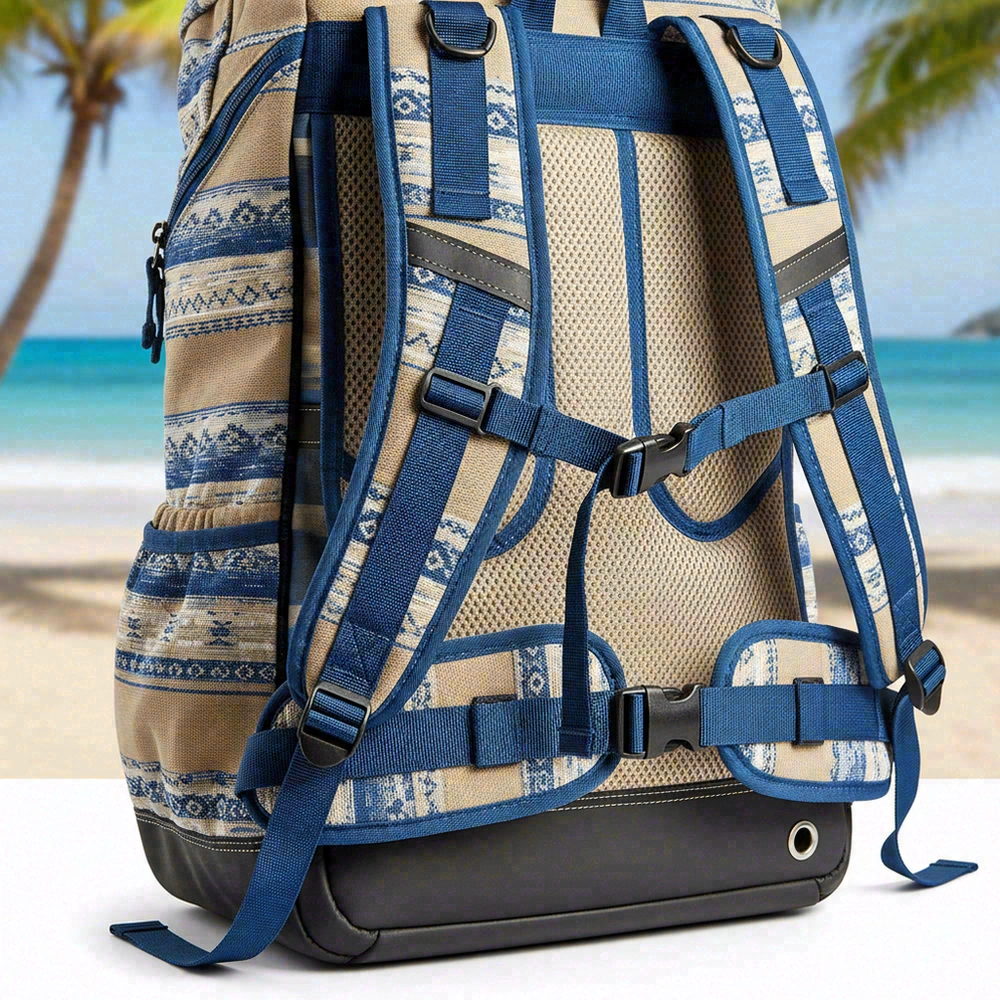
Modern beach trips involve more than lounging. Customers arrive carrying coolers, chairs, umbrellas, and toys. Backpacks distribute weight across both shoulders, leaving hands free for children, pets, or additional gear. Our ergonomic designs include padded straps, breathable back panels, and adjustable chest straps that make carrying 15+ pounds comfortable for extended walks from parking lots to shorelines.
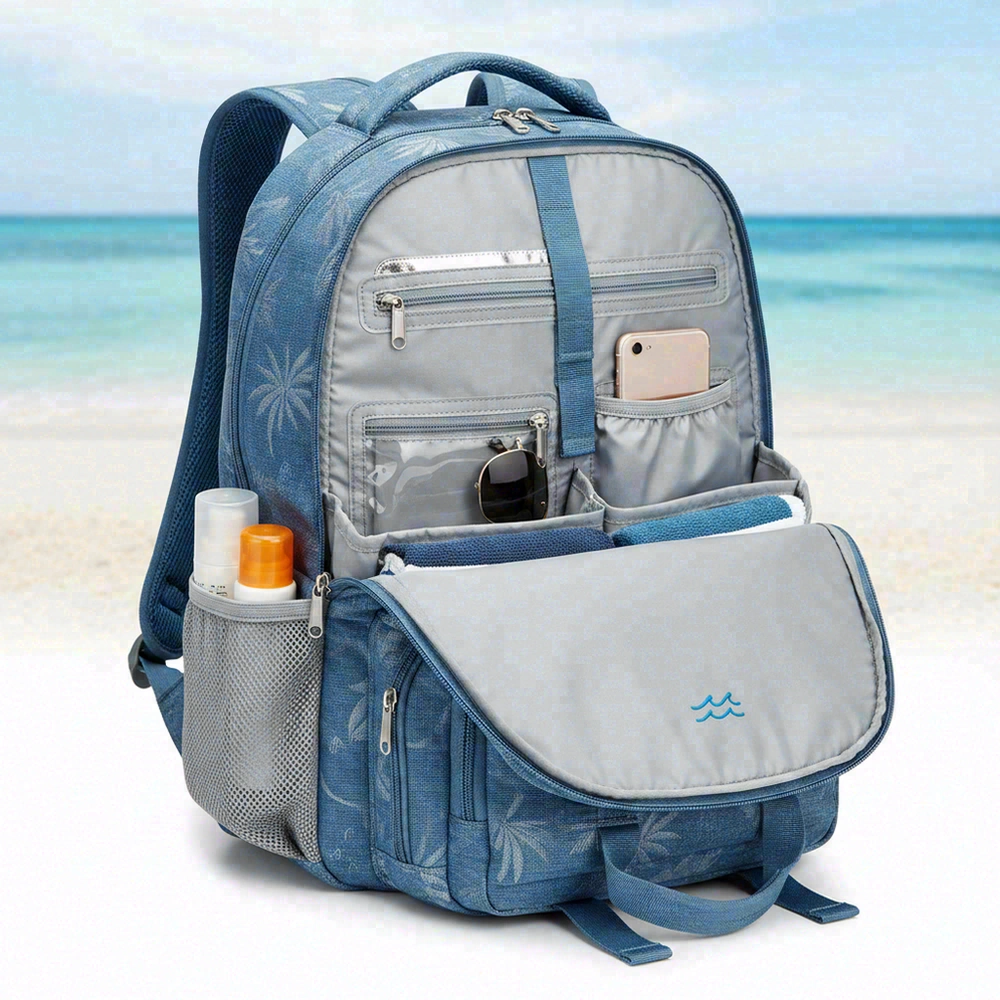
Unlike open totes where items jumble together, backpacks offer structured organization. Our designs include dedicated compartments for wet swimsuits (waterproof-lined), insulated cooler sections for drinks, padded sleeves for tablets or books, and quick-access exterior pockets for sunscreen and keys. This organization isn't just convenient—it protects electronics from sand and moisture while keeping essentials within reach.
Beach bags face unique stresses: salt water, sand abrasion, UV exposure, and heavy loads of wet towels. Our backpack constructions use reinforced stitching at stress points, water-resistant base panels, and UV-stabilized fabrics that resist fading. The vertical orientation means less contact with wet sand compared to totes that sit flat on the beach. This durability translates to longer product life and fewer warranty claims for retailers.
Beach backpacks command 30-50% higher retail prices than equivalent-capacity totes, yet enjoy comparable sell-through rates. The premium perception comes from functional features (insulation, organization, ergonomics) that justify the price difference to consumers. For brands, backpacks offer more visible real estate for logos and designs, plus the product category attracts younger demographics who value both style and functionality.
Material choice controls not only look and cost, but also how the backpack behaves around sand, saltwater, and sunscreen. For premium waterproof programs, coated fabrics create an easy-wipe surface and can be paired with seam-sealed construction options. For fast-dry programs, breathable mesh reduces trapped moisture and helps sand fall away. Many buyers mix materials: a tougher base for abrasion, mesh side pockets for bottles, and a coated front panel to keep branding clean. Recycled fabric options are also possible for sustainability-driven launches, with material documentation prepared per target market requirements.
Choose by market and price tier for optimal results
Easy-wipe premium builds
Best For
Easy-wipe premium builds and water exposure
Advantages
Considerations
Maximum wipe-clean performance
Best For
Maximum wipe-clean and high water resistance
Advantages
Considerations
Lightweight travel-forward
Best For
Lightweight travel-forward backpacks
Advantages
Considerations
Sand-shedding & breathable
Best For
Breathable, sand-shedding styles
Advantages
Considerations
Sustainability-positioned
Best For
Sustainability-positioned collections
Advantages
Considerations
Tell us your target market and use case, and we will recommend the best fabric combination.
Ask Our TeamMultiple engineering options available depending on water exposure level and budget. Combine approaches for optimal performance.
Surface Treatments
DWR water repellency (for light splash)
Coated/Laminated Fabrics
For higher water resistance
Seam Solutions
Seam tape or welded construction options
Closures
Roll-top buckles or covered zipper openings
Hardware Choices
Water-resistant zipper options and corrosion-resistant trims
For a mesh beach backpack, pair durable mesh panels with a tougher base fabric and include drainage features. For higher water exposure, move to coated fabrics and closure designs that reduce splash ingress.
A beach backpack combines the carry comfort of a daypack with the organization of a beach tote. For end users, it solves common pain points: heavy towels, wet swimwear, and sandy accessories that get mixed together. For B2B buyers, backpack styles are easy to position as an active-lifestyle essential and can command stronger perceived value than basic totes, especially in resort, outdoor, and travel channels.
From a merchandising perspective, a beach bag backpack can fit multiple price tiers: breathable mesh for entry-level, coated fabrics for premium, and add-on features like cooler pockets for upsell. The right spec comes down to your target market, typical load, and wet/dry needs. Clanbag supports OEM/ODM development so you can adjust size, compartments, trims, and branding while keeping production practical for wholesale rollouts.
OEM/ODM Ready
Custom specs available
Target Use
Sand-heavy, boat/pool, travel, or promotion
Material Direction
Mesh quick-dry vs coated easy-wipe
Pocket Plan
Wet/dry separation, bottle pockets, valuables
Closure
Zipper, roll-top buckle, or drawstring
Branding
Front panel, straps, woven label, or all-over print
Packaging
Hangtag, insert card, or gift box (optional)
Wholesale buyers typically need 3-5 clear style options that map to different destinations and price points. Below are popular patterns we manufacture for brands, retailers, and resort programs. Use them as starting points, then adjust materials, pocket layouts, and trims to match your channel (gift shop, outdoor, travel, or promotion). All styles support custom colors, logo placement, and packaging, and can be engineered for quick-dry mesh, easy-wipe waterproof surfaces, or insulated compartments.
Designed for boat days, pool decks, and rainy travel. Coated fabrics (TPU or similar) and water-resistant closure options help keep contents protected, while smooth surfaces wipe clean of sunscreen and salt. Popular builds include roll-top buckles for splash resistance or zipper openings with storm flaps. Add a dry valuables pocket inside and a separate wet section for swimwear. This style is ideal for premium positioning and higher retail price points.
Best For
Common Features
For sand-heavy destinations, mesh lets users shake out debris and helps wet towels dry faster. Typical designs combine durable polyester mesh panels with a tougher oxford base to prevent abrasion on concrete. Add drainage grommets, a front stash pocket for sunscreen, and side pockets sized for water bottles. Mesh builds are lightweight, cost-effective, and easy to color-block for brand identity, making them strong for value and mid-tier assortments.
Best For
Common Features
This pattern blends a daypack upper section with a lower insulated cooler zone for drinks and snacks. Common features include a leak-resistant liner (such as PEVA), foam insulation, and a wipe-clean interior, plus a dry compartment above for towels and electronics. It is a natural upsell for family and outdoor channels, especially when paired with upgraded webbing and comfortable straps. Cooler backpacks can be engineered in coated or standard fabrics depending on your target use.
Best For
Common Features
Built for families and longer beach days, this style prioritizes volume and load stability. Reinforced bottoms, wider straps, and multiple access points help customers pack bulky towels, toys, and spare clothes without digging. Add exterior towel straps, shoe compartments, or a removable wet pouch to keep organization simple. Because size impacts cost and shipping, many buyers offer it as a premium option alongside a smaller core backpack.
Best For
Common Features
A beach bag backpack hybrid gives shoppers flexibility: carry as a tote for quick grabs, then switch to backpack mode for walking or cycling. Convertible straps and reinforced attachment points are the key engineering details. This pattern is popular for travel and city-to-coast buyers who want one bag for the whole day. It also helps brands bridge categories, pairing well with casual materials like canvas-look fabrics or upgrading to coated surfaces for easy cleaning.
Best For
Common Features
Need a custom style not shown here? We can develop new patterns based on your market requirements.
Discuss Your Style RequirementsGet answers to common questions about MOQ, materials, customization, and production timelines for wholesale beach backpack programs.
MOQ depends on the exact structure, material, and branding method. For many wholesale programs, a typical starting point is around 300 pcs per style and color, especially when using standard fabrics and trims. If you need custom colors, custom zipper pullers, or complex all-over printing, the MOQ can be higher because upstream materials require minimum runs. For buyers who want to test a program first, we can often suggest a more production-friendly spec (simpler pocket layout or existing materials) to reduce risk. Share your target market, quantity, and logo needs and we will recommend the most practical MOQ path.
Yes, we can develop a waterproof beach backpack using coated or laminated fabrics and closure designs that reduce splash ingress. Options include roll-top openings, covered zippers, and seam solutions (such as seam tape or welded construction options) depending on performance goals and price tier. Because "waterproof" can mean different things in real use, we recommend defining the scenario: light splash, heavy rain, or accidental drops near water. We can then align fabric, seams, and hardware accordingly and propose a realistic test approach. Final performance depends on the complete design, not just the fabric.
Sand and saltwater tend to attack zippers, seams, and hardware first, so construction details matter as much as material choice. We recommend reinforced stress points (like shoulder strap anchors), a tougher base panel for abrasion, and easy-to-clean surfaces in high-contact areas. For sand-heavy destinations, mesh panels and drainage features help debris fall out and reduce trapped moisture. Hardware selection also matters: corrosion-resistant trims and zipper choices can improve longevity. Finally, pocket design helps end users: a dedicated wet area and a protected valuables pocket keep contents organized and reduce the "everything is sandy" problem.
Yes. Wet/dry separation can be achieved with a waterproof-lined pocket, drainage grommets, or a removable pouch that contains swimwear and keeps the main compartment dry. For cooler functionality, we can integrate a lower insulated compartment using foam insulation and a wipe-clean liner, while keeping a separate upper zone for towels and electronics. The key engineering points are seam finishing, zipper selection, and how the cooler is supported so it stays comfortable when loaded. We will also discuss how you want customers to use it (short trips vs longer day use) to choose the right insulation and pocket layout.
The best logo method depends on fabric type and the look you want. For clean, bold branding on smooth panels, screen printing can be cost-effective; for more detailed artwork, heat transfer is common, but it should be matched to the coating and expected abrasion. Embroidery is durable on suitable fabrics and gives a premium feel, while woven labels and rubber patches are strong options for long-term wear and a branded look without relying on ink. For beach use, we also consider placement: areas that rub against clothing or sand will wear faster, so we often recommend protected front panels or upper zones.
Quality control starts with confirming materials and construction details during sampling, then carrying those standards into production. Common checkpoints include verifying fabric and coating consistency, checking seam reinforcement at stress points, and ensuring pocket and zipper alignment for smooth use. For higher water-resistance builds, we focus on seam finishing and closure construction because small gaps can undermine performance. Inline inspections help catch issues early, and final inspection verifies appearance, function, and packing requirements. If you have specific standards (pull strength, colorfastness, or market compliance), we can align the inspection plan and arrange third-party checks as needed.
Lead time depends on the development level (existing pattern vs new structure), material availability, and season. As a general guideline, a pre-production sample often takes about 7-14 days after confirming the spec and receiving complete artwork files. Bulk production frequently falls in the 25-45 day range after sample approval, with longer timelines possible for complex custom materials or peak-season capacity. Shipping time varies by method and destination. The fastest way to keep timelines stable is to finalize pocket layout, branding method, and packaging early so there are fewer changes after sampling.
We can support compliance needs by providing material information, aligning material selection to target markets, and arranging third-party testing when required. Common requirements vary by product positioning and destination, so we recommend sharing where you sell (US, EU, UK, etc.) and whether the backpack is intended for adult, kids, or promotional use. Based on that, we can suggest appropriate materials and documentation workflows and help plan testing for relevant regulations (such as chemical restrictions). If you already have a testing protocol or lab preference, we can coordinate sample submission and production consistency to match your requirements.
Tell us your target market and the style direction (mesh, coated waterproof, cooler, large-capacity, or convertible). We will recommend a production-friendly specification, branding method, and packaging plan that matches your price point, then prepare a quote and sample path for approval.
Direct Factory Since 2001
OEM/ODM Ready | 24+ Years Experience
© 2026 Clanbag. Tous droits réservés.
Bonjour ! 👋 Comment pouvons-nous vous aider aujourd’hui ?