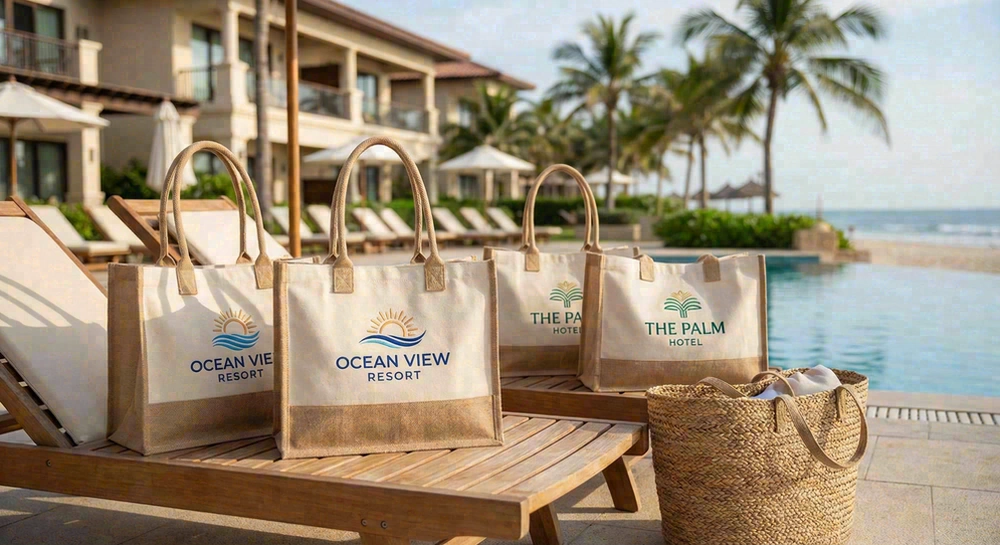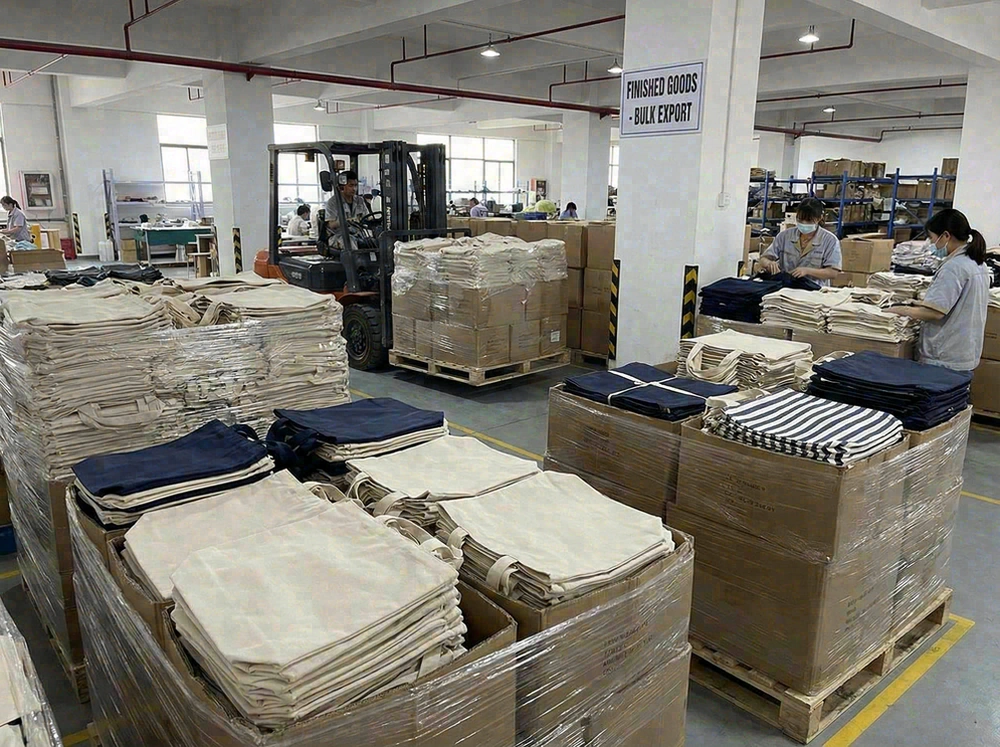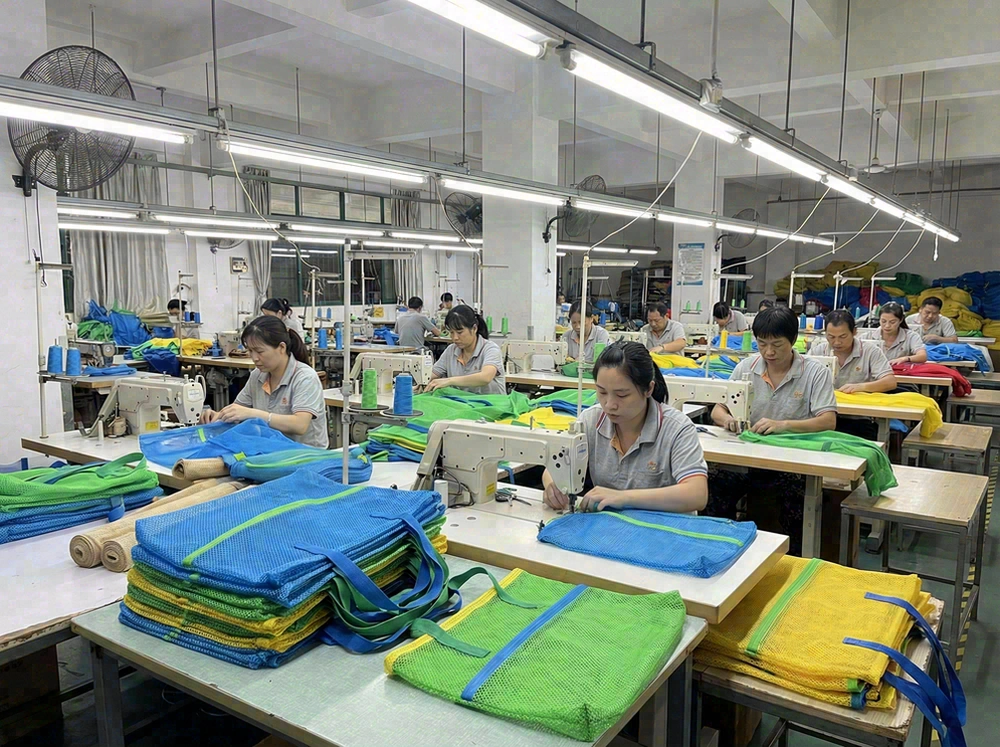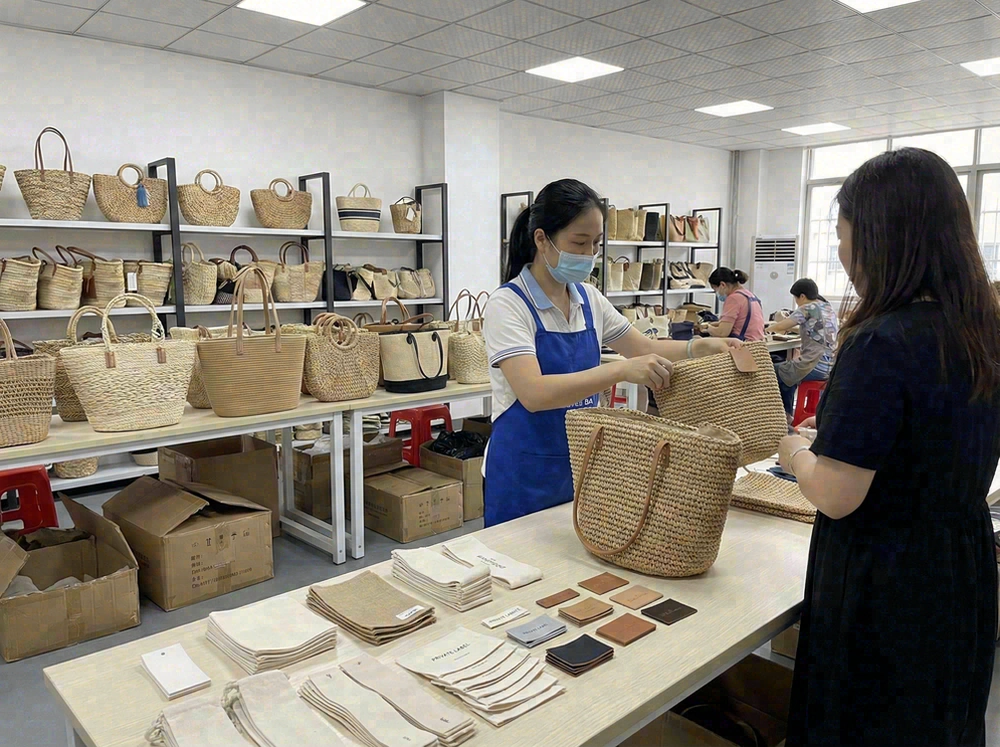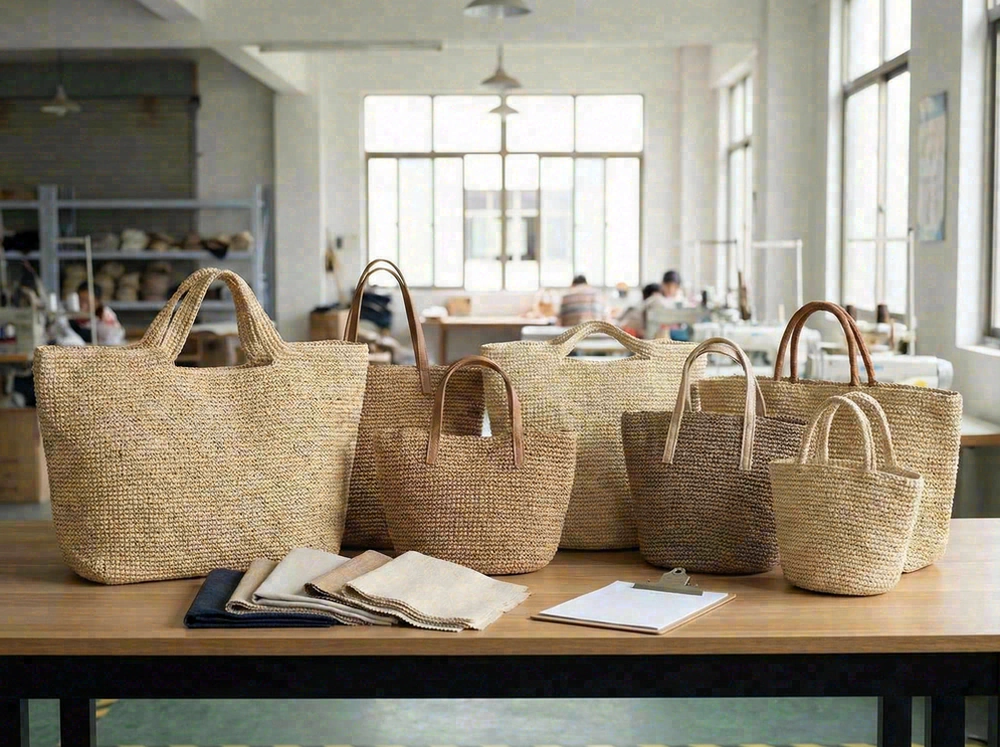
Custom beach bags transform generic products into powerful brand assets. Whether you're launching a retail line, creating promotional merchandise, or developing hospitality amenities, understanding customization options helps you make informed decisions that balance quality, budget, and brand impact.
Executive Summary
- Screen printing offers best value for high-volume orders (500+ units) with 1-4 color logos
- Heat transfer enables photo-quality designs with lower MOQs (50-100 units)
- Embroidery delivers premium appearance and exceptional durability for luxury positioning
- Custom hardware (zipper pulls, grommets, buckles) adds distinctive brand touches
- Timeline: Typically 45-60 days from design approval to delivery
Why Customization Matters for Beach Bags
In the crowded promotional products market, customization is what transforms a commodity into a brand asset. Custom beach bags offer specific advantages:
- Brand recognition: Your logo travels with customers to beaches, pools, parks—free advertising in high-visibility locations
- Perceived value: Well-executed customization elevates perceived quality, justifying premium pricing for retail products
- Customer loyalty: Quality branded bags become favorites that customers use repeatedly, maintaining brand connection
- Professional image: For corporate gifts or hospitality amenities, customization signals attention to detail
The key is matching customization methods to your specific goals—budget, volume, brand positioning, and intended use all influence the optimal approach.
Logo Printing Methods Compared
Four primary printing methods dominate beach bag customization. Each has distinct advantages depending on your design complexity, material choice, and order volume.
Screen Printing
Screen printing remains the industry workhorse for promotional bags. Ink is pushed through mesh screens onto fabric, creating vibrant, durable prints.
Best for: Bold logos with 1-6 solid colors, high-volume orders, canvas and cotton materials
Advantages:
- Excellent durability—withstands 50+ wash cycles
- Lowest per-unit cost at volume (500+ units)
- Vibrant colors, especially on light fabrics
- Works exceptionally well on natural fibers
Limitations:
- Setup costs per color ($30-50 each) make small runs expensive
- Limited to spot colors—no gradients or photographs
- Maximum 6-8 colors before costs become prohibitive
Cost structure: Setup $30-50 per color + $0.30-$2.00 per unit depending on colors and print area
Heat Transfer Printing
Heat transfer uses pressure and heat to apply designs printed on transfer paper or vinyl to bag surfaces. Modern digital transfers enable photo-quality reproduction.
Best for: Complex multi-color designs, photographs, smaller quantities, polyester and nylon materials
Advantages:
- Unlimited colors including gradients and photographs
- Minimal setup cost—ideal for small runs
- Quick turnaround possible
- Fine detail reproduction
Limitations:
- Higher per-unit cost than screen printing at volume
- May crack or peel with heavy use (30-50 wash cycles)
- Can feel slightly different in texture from surrounding fabric
Cost structure: Setup $0-20 + $1.50-$4.00 per unit
Digital Direct Printing (DTG)
Similar to inkjet printing, DTG prints directly onto fabric using specialized textile inks. Best for cotton and cotton-blend materials.
Best for: Complex designs on cotton materials, medium-volume orders, designs requiring soft hand feel
Advantages:
- Soft feel—ink bonds with fibers rather than sitting on top
- Excellent for detailed designs and gradients
- No minimum color limitations
Limitations:
- Best results on 100% cotton; challenging on blends
- Higher per-unit cost than screen printing at scale
- Requires pre-treatment for dark fabrics
Cost structure: Setup $0-30 + $2.50-$5.00 per unit
Sublimation Printing
Dye sublimation uses heat to transfer dye directly into polyester fibers, creating permanent, all-over prints that won't crack, peel, or fade.
Best for: All-over designs, photographic prints, polyester mesh and nylon beach bags
Advantages:
- Exceptional durability—dye becomes part of fiber
- Unlimited colors, photographic quality
- No texture change—print area feels identical to unprinted
- Perfect for all-over repeat patterns
Limitations:
- Only works on polyester (or poly-coated materials)
- Cannot print white—fabric color shows through
- Best results on light-colored fabrics
Cost structure: Setup $0-30 + $2.00-$5.00 per unit

Printing Methods Comparison Table
| Method | Best Materials | Colors | Durability | Min Order | Cost Range |
|---|---|---|---|---|---|
| Screen Printing | Canvas, cotton, denim | 1-6 colors | Excellent | 100-200 units | $0.30-$2.00/unit |
| Heat Transfer | Polyester, nylon, blends | Unlimited | Good | 50-100 units | $1.50-$4.00/unit |
| Digital (DTG) | Cotton, cotton blends | Unlimited | Very Good | 50-100 units | $2.50-$5.00/unit |
| Sublimation | Polyester only | Unlimited | Excellent | 50-100 units | $2.00-$5.00/unit |
Pro Tip: For orders over 1,000 units with simple logos, screen printing typically costs 40-60% less than digital methods. For orders under 200 units with complex designs, digital methods become more cost-effective despite higher per-unit pricing.
Embroidery Options for Premium Branding
Embroidery communicates quality and permanence. Stitched logos outlast printed ones and add tactile dimension that photographs can't fully capture.
Standard Flat Embroidery
Thread stitched directly onto bag fabric in various densities. Most common for corporate logos and text.
- Stitch count: Typically 5,000-15,000 stitches for standard logos
- Thread colors: Up to 16 colors per design
- Cost: $2-5 per piece based on stitch count
3D Puff Embroidery
Foam insert beneath stitching creates raised, dimensional effect. Popular for bold text and simple shapes.
- Best for: Block letters, simple logos
- Effect: Raised 2-4mm above fabric surface
- Cost: Additional $1-2 per piece over flat embroidery
Metallic Thread Embroidery
Gold, silver, or copper metallic threads add shimmer and luxury appearance.
- Best for: Upscale branding, resort properties, luxury retail
- Consideration: More fragile than standard thread; best for low-wear areas
- Cost: Additional $0.50-1.00 per piece
Appliqué
Fabric patches with embroidered edges or details. Creates layered, dimensional look.
- Best for: Large logo areas, retro styling, nautical themes
- Options: Twill, felt, leather, PVC patches
- Cost: $2-5 per piece depending on complexity

When to Choose Printing vs. Embroidery
The printing vs. embroidery decision depends on multiple factors:
Choose Printing When:
- Logo has gradients, photographs, or many colors
- Budget is primary concern for large orders
- Design includes fine text or intricate details
- You need all-over patterns
- Materials are synthetic (polyester, nylon)
Choose Embroidery When:
- Premium perception is paramount
- Logo is relatively simple (under 15 colors)
- Maximum durability is required
- Target audience associates embroidery with quality
- Materials are heavy natural fibers (canvas, cotton)
Combine Both When:
- Multi-brand products (embroidered main logo, printed secondary elements)
- Creating tiered product lines (embroidered premium, printed standard)
- Complex designs requiring both photographic elements and raised branding
Custom Hardware and Accessories
Beyond printing and embroidery, hardware customization adds distinctive brand touches that signal attention to detail:
Custom Zipper Pulls
Replace standard pulls with branded metal or rubber versions.
- Materials: Zinc alloy, rubber, leather
- Options: Logo embossed, debossed, or engraved
- MOQ: Typically 500 pieces
- Cost: $0.20-$0.80 per piece
Branded Grommets
Logo-stamped metal grommets for drawstring or vent holes.
- Materials: Brass, nickel, antique finishes
- MOQ: Typically 1,000 pieces
- Cost: $0.10-$0.30 per piece
Logo Buckles and Closures
Custom plastic or metal buckles with molded or engraved logos.
- Types: Side-release, slide adjusters, snap buckles
- MOQ: 500-1,000 pieces depending on complexity
- Cost: $0.30-$1.00 per piece
Metal Logo Plates
Attached metal badges add luxury signaling to exterior surfaces.
- Finishes: Polished, brushed, matte, antique
- Attachment: Rivets, sewn, or adhesive
- MOQ: 500 pieces
- Cost: $0.30-$0.80 per piece

Labels, Tags, and Secondary Branding
Labels and tags reinforce branding and convey product information:
Woven Labels
Fabric labels with woven text and logos—the classic interior branding method.
- Types: Damask (fine detail), satin (economy), cotton (soft feel)
- Attachment: Sewn on all sides, center-fold, or end-fold
- MOQ: 500-1,000 pieces
- Cost: $0.05-$0.20 per label
PU/Leather Badges
Molded or embossed badges for exterior visible branding.
- Materials: PU leather, genuine leather, rubber
- Effects: Embossed, debossed, printed
- Cost: $0.15-$0.50 per badge
Hang Tags
Paper or cardboard tags attached via string or plastic loop.
- Content: Brand story, care instructions, product features
- Options: Die-cut shapes, foil stamping, embossing
- Cost: $0.05-$0.30 per tag
Color Customization and Pantone Matching
Precise color matching ensures brand consistency across products:
Fabric Color Matching
Custom-dyed fabrics match specific Pantone colors. Adds 2-3 weeks to timeline.
- MOQ: Typically 500-1,000 meters of fabric
- Process: Lab dip samples for approval before production
- Cost: $100-$300 for color development + material cost
Print Color Matching
Screen printing and embroidery can match Pantone colors precisely.
- Requirement: Specify Pantone numbers in design files
- Process: Strike-off sample for approval
- Tolerance: Standard ±5% color variance acceptable
Key Insight: Always request physical color samples rather than relying on digital proofs. Screen colors vary by monitor, and printing inks on fabric look different than on paper. A $50 sample investment prevents costly color mismatches in production.
Design File Guidelines
Proper file preparation prevents production delays and ensures accurate reproduction:
Preferred File Formats
- Vector formats (best): Adobe Illustrator (.AI), EPS, PDF with outlined fonts
- Raster formats: PNG, TIFF at minimum 300 DPI at actual print size
- Avoid: JPEG (compression artifacts), Word documents, low-resolution web graphics
Color Specifications
- Specify Pantone colors for spot color printing
- Include CMYK values for process color printing
- Note: RGB colors will be converted to CMYK and may shift
Logo Placement Guidelines
- Standard positions: Center front, left chest, bottom corner
- Size recommendations: 3-6 inches for primary logos; 1-2 inches for secondary
- Bleed considerations: Keep critical elements 0.5 inch from seams
Embroidery-Specific Requirements
- Minimum text size: 0.25 inch (6mm) height for legibility
- Avoid gradients—convert to distinct color steps
- Simplify fine details that won't translate to stitching
MOQ and Pricing by Customization Type
| Customization Type | Minimum Order | Setup Cost | Per Unit Cost | Lead Time Added |
|---|---|---|---|---|
| Screen Printing (1 color) | 100 units | $30-50 | $0.30-$0.80 | 3-5 days |
| Screen Printing (4 color) | 200 units | $120-200 | $0.80-$2.00 | 5-7 days |
| Heat Transfer | 50 units | $0-20 | $1.50-$4.00 | 2-3 days |
| Embroidery | 100 units | $30-50 | $2.00-$5.00 | 5-7 days |
| Custom Hardware | 500 units | $100-300 | $0.20-$1.00 | 10-14 days |
| Custom Fabric Color | 500+ units | $100-300 | +$0.30-$0.80 | 14-21 days |
Production Timeline: Design to Delivery
Understanding timeline allows proper planning for seasonal needs or events:
Phase 1: Design and Quotation (3-7 days)
- Submit design files and requirements
- Receive detailed quotation with customization options
- Negotiate quantities and delivery terms
Phase 2: Sample Development (7-14 days)
- Pre-production sample created
- Color matching and placement verification
- Sample approval or revision requests
Phase 3: Production (25-35 days)
- Material sourcing and cutting
- Customization application (printing/embroidery)
- Assembly and quality control
Phase 4: Shipping (7-30 days)
- Air freight: 7-10 days
- Ocean freight: 20-30 days
- Customs clearance and last-mile delivery
Total timeline: 45-90 days depending on shipping method and complexity
Quality Control for Custom Beach Bags
Protecting your investment requires systematic quality verification:
Pre-Production Approval
- Review physical samples before approving production
- Check color accuracy against Pantone standards
- Verify logo placement and sizing
- Test customization durability (wash test for critical orders)
During Production Inspection
- First article inspection after initial production run
- In-line inspection at 20-30% completion
- Check for printing registration, embroidery density, hardware attachment
Pre-Shipment Inspection
- AQL sampling based on order size
- Visual inspection for defects
- Measurement verification against specifications
- Packaging and labeling accuracy
Frequently Asked Questions
What's the minimum order for custom printed beach bags?
Most manufacturers require 50-100 units minimum for basic customization. Screen printing typically starts at 100-200 units due to setup costs. Custom hardware orders usually require 500+ units.
Can I mix different customization methods on one bag?
Yes. Combining methods—such as screen printed pattern with embroidered logo—is common. This typically adds to timeline and cost but can create distinctive products.
How durable is printing versus embroidery?
Quality screen printing lasts 50+ wash cycles. Embroidery is essentially permanent—thread may fade slightly but won't crack or peel. Heat transfer typically lasts 30-50 washes before showing wear.
What file format do I need for customization?
Vector files (AI, EPS, PDF with outlined fonts) are preferred. For raster images, provide 300 DPI minimum at actual print size. Always include Pantone color specifications.
Can I get a sample before placing a bulk order?
Yes, pre-production samples are standard practice. Expect $50-$200 for sample production plus shipping. Many manufacturers refund sample costs on order placement.
Customization Capabilities at Clanbag
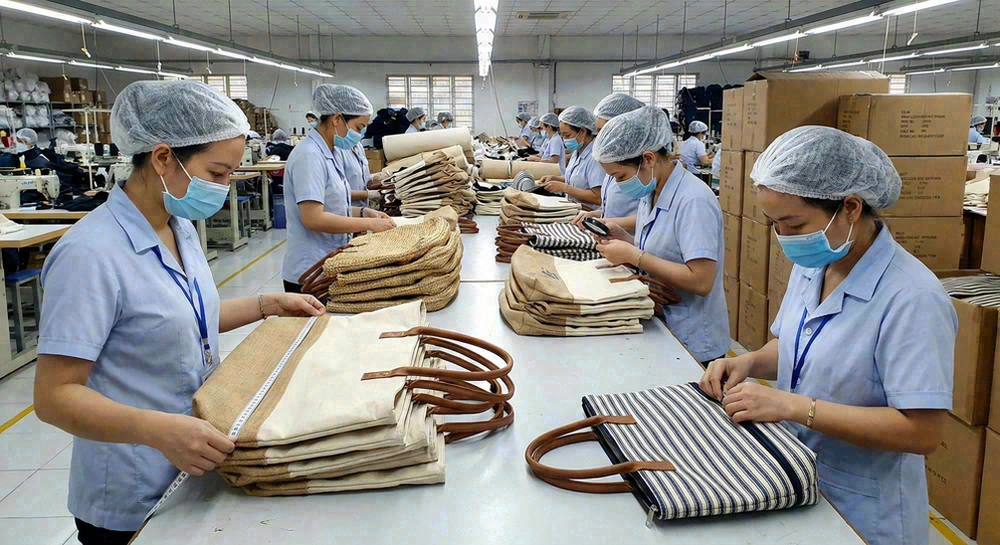
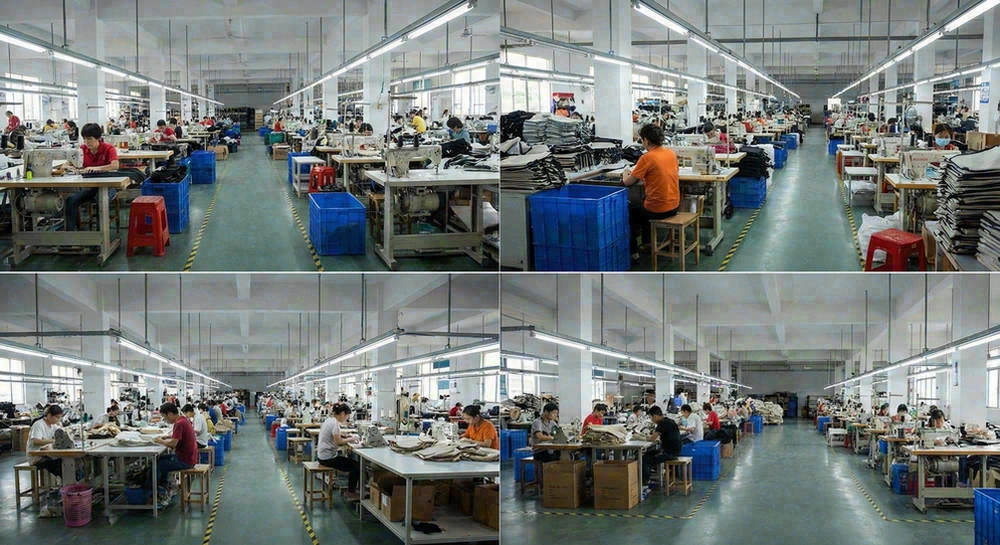
With 24 years of manufacturing experience, we offer comprehensive customization services:
- All printing methods: Screen, heat transfer, digital, sublimation
- Full embroidery capability: Flat, 3D puff, metallic, appliqué
- Custom hardware: In-house tooling for zipper pulls, buckles, plates
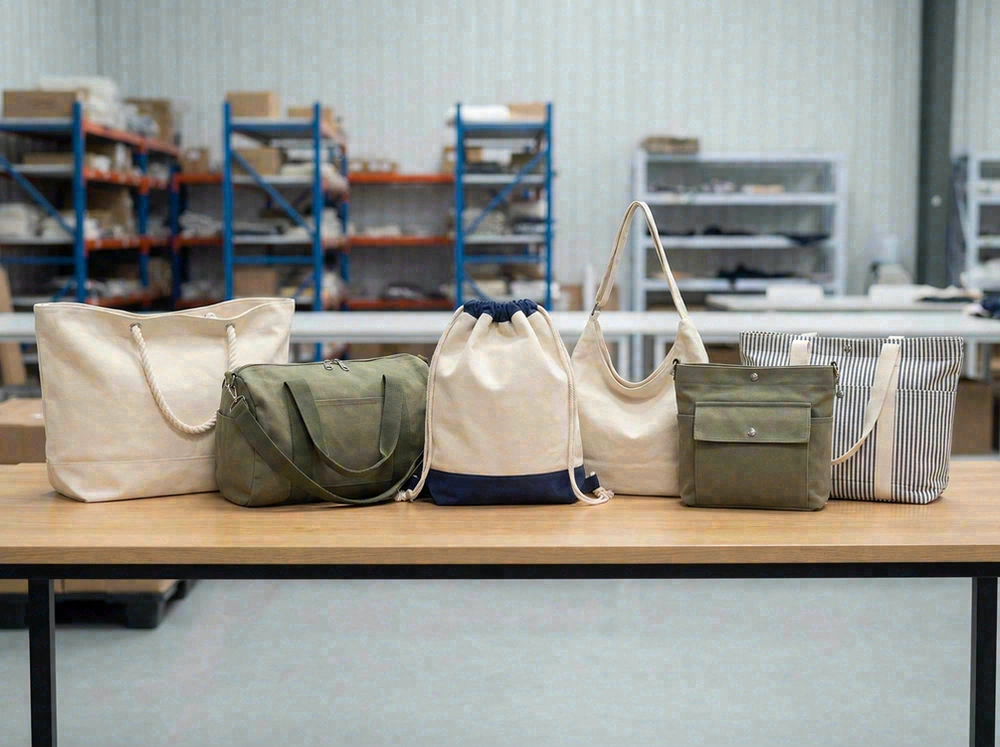
- Material variety: Canvas, mesh, straw, raffia, jute options
- Low MOQ flexibility: Starting at 200 units for most customization
- Design support: File preparation assistance, mock-up creation
Our sample lead time runs 7-10 days, and we maintain English-fluent project management for clear communication throughout customization projects.
Conclusion
Successful beach bag customization balances design goals, budget realities, and practical considerations. Start by identifying your priority—whether that's maximum brand impact, cost efficiency, or quick turnaround—then select methods that align with those goals.
For most B2B buyers, the decision framework is straightforward: screen printing for high-volume simple logos, digital methods for complex designs or smaller runs, and embroidery when premium perception justifies additional cost.
Request samples from potential suppliers before committing to large orders. The investment in physical samples reveals quality differences that digital proofs cannot show and prevents costly mistakes in production.