Finding the right beach bag supplier can mean the difference between a profitable product line and inventory headaches. After 24 years of serving B2B clients worldwide, we've learned that the "best" supplier isn't universal—it depends entirely on your business model, order volumes, and growth plans.

Executive Summary
- Direct manufacturers offer best pricing ($0.50-$5/unit) but require MOQs of 500-2,000 units
- USA domestic suppliers provide faster delivery (7-14 days) at premium pricing ($8-$25/unit)
- Wholesale distributors work for small orders (12-50 units) with immediate availability
- Key evaluation criteria: production capacity, certifications, communication quality, sample process
Understanding Beach Bag Supplier Types
Before comparing specific suppliers, you need to understand the fundamental types and what each offers:
Direct Manufacturers
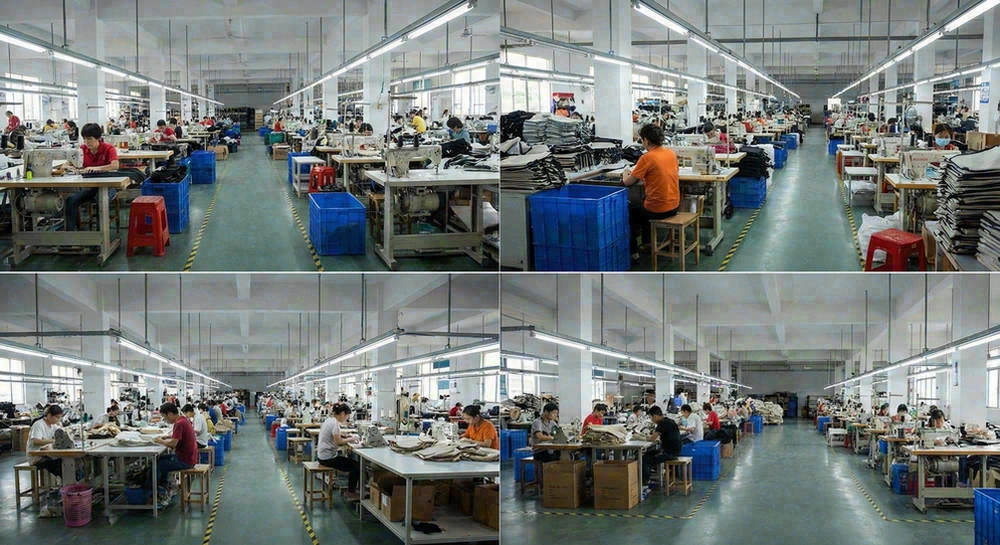
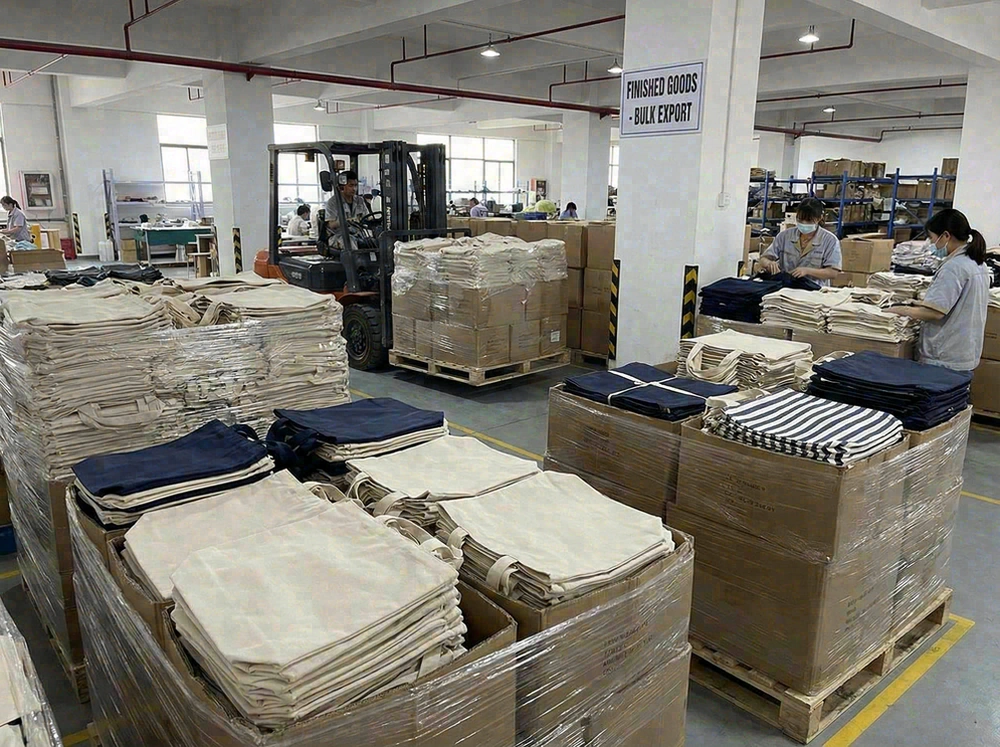
These are actual factories that produce beach bags. They offer the lowest per-unit costs because there's no middleman markup. However, they typically require minimum orders of 500-2,000 pieces and lead times of 30-45 days for production.
Best for: Established retailers with predictable demand, brands launching new product lines, promotional product companies with bulk orders.
Trading Companies
Trading companies source from multiple factories and handle export logistics. They add 15-30% to factory prices but offer product variety and consolidated shipping. The key risk is less direct quality control—you're trusting their supplier vetting.
Best for: Buyers sourcing multiple product categories, first-time importers wanting guidance, companies without import experience.
Wholesale Distributors
Distributors buy in bulk from manufacturers and resell in smaller quantities. They maintain inventory, so you get immediate shipping without production wait times. MOQs can be as low as 12-50 units.
Best for: Small boutiques testing products, e-commerce sellers with varied inventory, businesses avoiding large upfront investments.
Domestic Manufacturers
USA-based and European manufacturers offer faster delivery and "Made in USA/EU" positioning. Pricing runs 3-5x higher than Asian sources, but MOQs are typically lower (100-500 units).
Best for: Brands requiring domestic production claims, rush orders, buyers prioritizing speed over cost.

Supplier Comparison: MOQ, Pricing, Lead Time
| Supplier Type | Typical MOQ | Price Range | Lead Time | Customization |
|---|---|---|---|---|
| China Direct Manufacturers | 500-2,000 units | $0.50-$5.00/unit | 30-45 days | Full customization |
| Trading Companies | 300-1,000 units | $0.65-$6.50/unit | 35-50 days | Depends on factory |
| Wholesale Distributors | 12-50 units | $3.00-$12.00/unit | 1-5 days | Limited/none |
| USA Manufacturers | 100-500 units | $8.00-$25.00/unit | 7-14 days | Good options |
How to Evaluate Supplier Reliability
We've seen countless buyer-supplier relationships succeed or fail based on how thoroughly the initial evaluation was conducted. Here's what matters most:
Production Capacity Verification
Ask specific questions: "How many beach bags do you produce monthly?" and "What percentage of capacity are you currently running?" A factory running at 95% capacity may struggle with your rush orders. One running at 50% might indicate quality or management issues.
Certification Authenticity
Don't just accept certification claims—verify them. Contact BSCI, ISO, or GRS certification bodies directly. Legitimate suppliers will provide certificate numbers you can verify online.
Communication Quality
How suppliers respond during the inquiry phase predicts how they'll handle problems during production. Look for:
- Response time under 24 hours
- Clear, specific answers (not vague promises)
- Proactive questions about your requirements
- Willingness to provide references
Sample Process
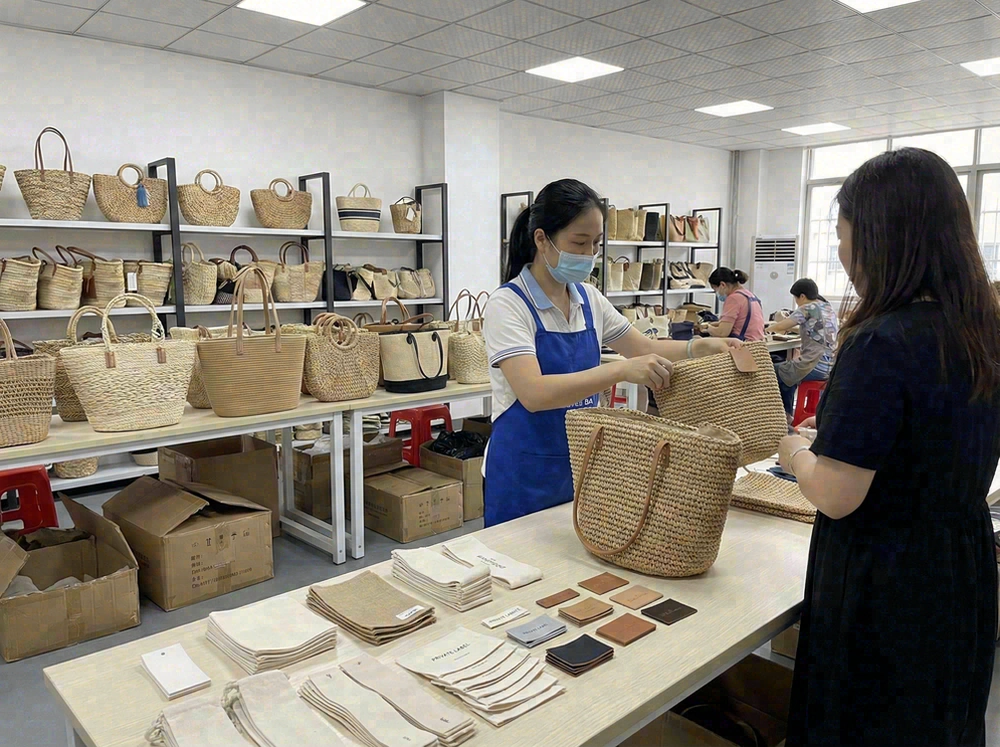
Professional suppliers have systematic sample processes. Be wary of suppliers who resist providing samples or can't explain their sample pricing clearly. Standard practice is charging sample costs (refundable on order) plus shipping.

Red Flags When Choosing Suppliers
After decades in this industry, we've learned to spot warning signs that often lead to problems:
- Prices significantly below market: If a quote is 40% below competitors, question where they're cutting corners—materials, labor standards, or quality control
- Vague factory location: Legitimate manufacturers proudly share their factory address. "Guangzhou area" without specifics often means trading company
- Resistance to factory visits: Real factories welcome buyer visits. Those who discourage visits may be hiding conditions or actual capabilities
- No product specialization: A supplier offering beach bags, electronics, furniture, and cosmetics is almost certainly a trading company, not a manufacturer
- Pressure for immediate deposit: Professional suppliers understand procurement timelines. High-pressure tactics suggest desperation or intent to deceive
- Unable to explain production process: Real manufacturers can describe their materials, equipment, and quality checkpoints in detail
Best Suppliers by Business Need
For High-Volume Wholesale (1,000+ units)
Direct China manufacturers offer unbeatable value. Look for factories in established production hubs like Pingdu (Shandong) for straw bags, Wenzhou (Zhejiang) for canvas, or Guangzhou (Guangdong) for fashion-forward designs.
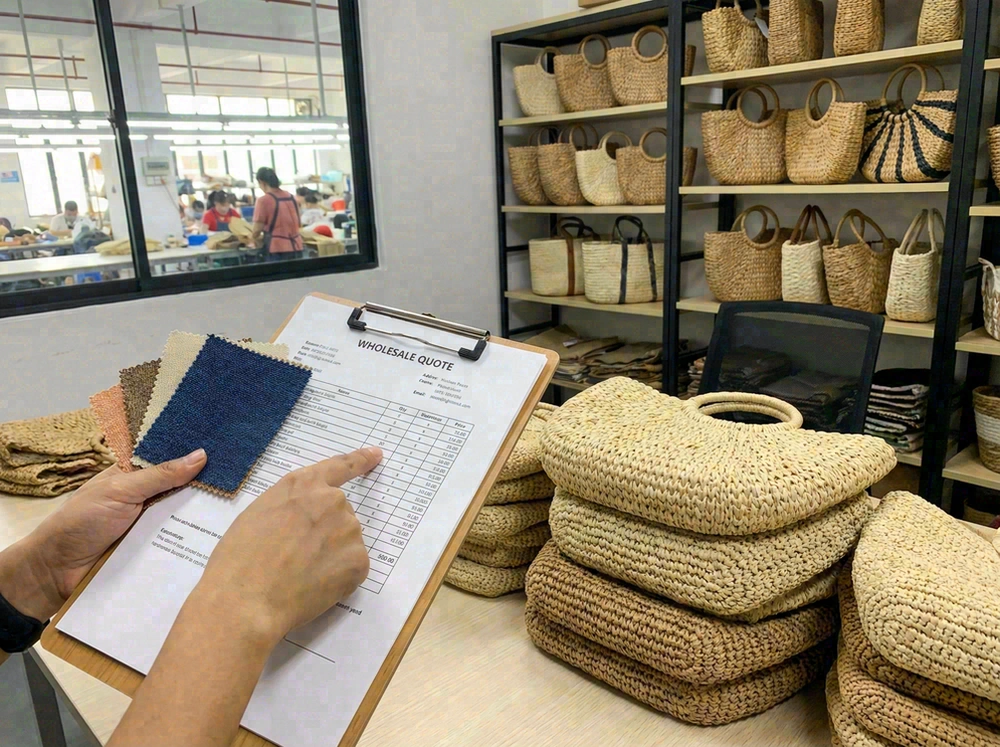
Recommended approach: Request quotes from 3-5 manufacturers, order samples from top 2, then negotiate final pricing based on annual volume commitments.
For Boutique Retailers (100-500 units)
USA distributors like BagzDepot, Tote Bag Factory, or domestic manufacturers provide the flexibility small retailers need without massive upfront investment.
Recommended approach: Start with distributor stock products to test market demand, then graduate to custom manufacturing as volumes justify MOQs.
For Custom Branded Products
You need direct manufacturer relationships for truly custom products. This means working with factories that offer OEM/ODM services, have design capabilities, and can produce custom molds, colors, and constructions.
Recommended approach: Budget for development costs (typically $200-$500 for custom samples), plan 60-90 day development cycles, and expect 2-3 sample rounds before production approval.
For Rush Orders
Domestic manufacturers and well-stocked distributors are your only realistic options. China production requires 30+ days regardless of promises made during negotiation.
Recommended approach: Build relationships with multiple supplier types so you have options when urgent needs arise.
Building Long-Term Supplier Relationships
The best supplier relationships develop over time. Here's what we've learned works from both sides of the partnership:
Start Small, Grow Together
Even if you plan large orders eventually, start with a manageable first order. This lets both parties identify issues before they become expensive problems.
Communicate Clearly and Early
Share your annual plans, seasonal timing, and growth projections. Suppliers who understand your trajectory can prepare capacity and may offer better pricing for committed relationships.
Pay on Time, Every Time
From the supplier perspective, reliable payment history is the single most important factor in prioritizing customers. Late payments damage relationships and leverage.
Provide Constructive Feedback
When issues arise—and they will—approach them as problems to solve together rather than accusations. Suppliers remember which clients are reasonable to work with.
Frequently Asked Questions
What's the minimum order for custom beach bags?
Direct manufacturers typically require 500-2,000 units for custom production. Some factories accept 300 units at higher per-unit costs. Trading companies may offer lower MOQs by aggregating orders across buyers.
How do I verify if a supplier is a real factory?
Request business license copies, ask for factory photos (current dated photos, not stock images), request a video call tour, check trade records on Alibaba or Made-in-China platforms, and consider third-party verification services for large orders.
Should I use Alibaba to find suppliers?
Alibaba is useful for initial discovery but requires careful vetting. Use it to identify potential suppliers, then conduct thorough verification. Many listings are trading companies rather than actual factories.
What payment terms should I expect?
Standard terms are 30% deposit upon order confirmation, 70% balance before shipping. New relationships may require higher deposits. Established relationships may negotiate better terms.
How do I protect my designs?
Register designs in your market before sharing with suppliers. Include NDA clauses in contracts. Work with established suppliers who value long-term relationships over short-term gains.
Why Consider Clanbag as Your Supplier
As a direct manufacturer in Shandong's beach bag production hub, we offer specific advantages for B2B buyers:
- 24 years of production experience with documented quality systems
- Flexible MOQs starting at 500 units for standard products
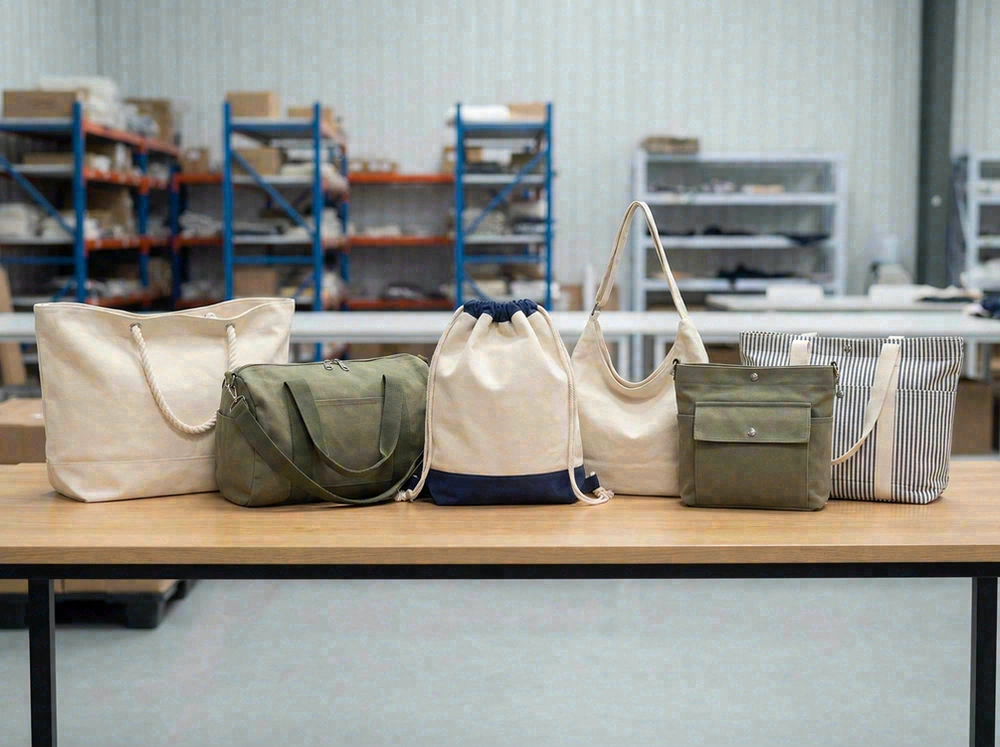
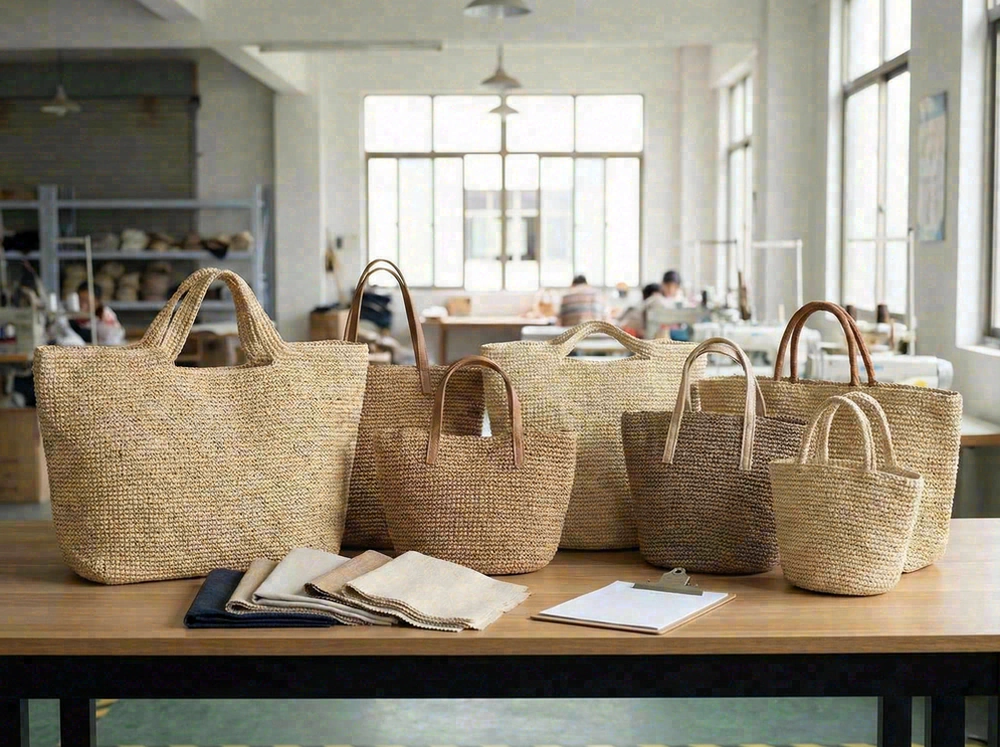
- Material diversity: mesh, canvas, straw, raffia, jute options from a single supplier
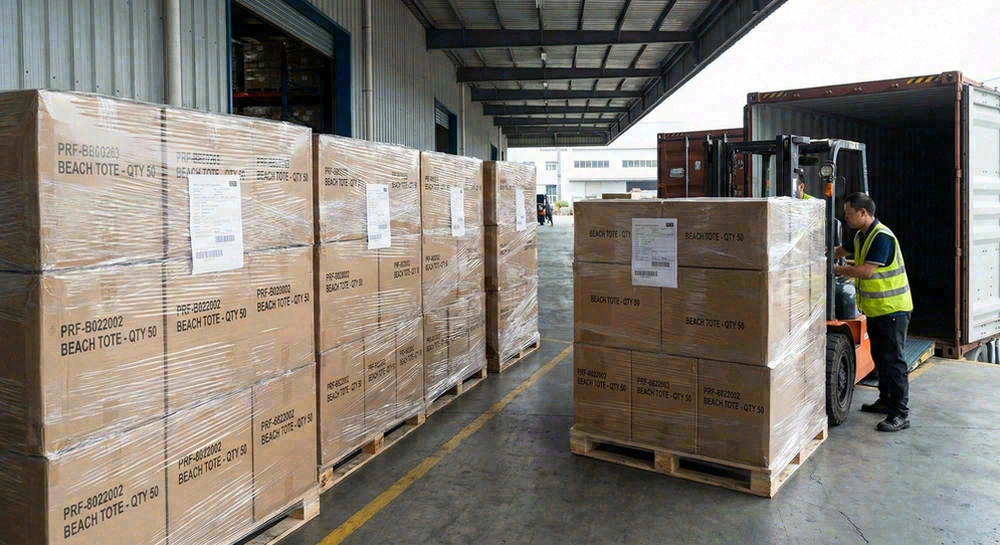
- Direct port access via Qingdao for efficient export logistics
- English-fluent team for clear communication throughout projects
We're not the right fit for every buyer—if you need 50 units tomorrow, a distributor serves you better. But for brands building sustainable beach bag programs with growth potential, we invite you to explore what partnership with an experienced manufacturer offers.
Conclusion
The "best" beach bag supplier depends entirely on your specific situation. Prioritize total cost (not just unit price), factor in lead times and flexibility, and invest time in relationship building. The supplier evaluation process may feel tedious, but it prevents far more expensive problems down the road.
Start by clearly defining your volume, timeline, and customization requirements. Then identify which supplier category fits those needs. Sample thoroughly, verify credentials, and build relationships gradually. The beach bag market offers excellent opportunities for retailers and brands who source strategically.