Sustainable packaging has become a business requirement, not just a preference. As retailers and brands face increasing pressure to reduce environmental impact, packaging choices matter more than ever. This guide covers eco-friendly packaging options for beach bags—from recyclable materials to compostable alternatives—helping you align product packaging with sustainability goals.

Quick Reference: Packaging Options
- Recyclable: Kraft paper, cardboard boxes, paper tissue ($0.05-0.15/unit)
- Compostable: PLA bags, cornstarch mailers ($0.20-0.50/unit)
- Reusable: Cotton dust bags, fabric pouches ($0.50-2.00/unit)
- Minimal: Paper bands, bulk packaging (lowest cost)
Why Sustainable Packaging Matters for Beach Bags
Beach bags connect directly to environmental awareness. Customers buying beach products often have heightened sensitivity to ocean health and sustainability. Plastic packaging contradicts this connection.
Business Drivers
- Retailer sustainability requirements
- Consumer preference for eco-brands
- ESG compliance mandates
- Reduced packaging taxes in many regions
Brand Benefits
- Differentiation from competitors
- Premium positioning opportunity
- Customer loyalty building
- Social media shareability
Recyclable Packaging Options
Recyclable packaging offers the best balance of sustainability, cost, and practicality for most beach bag orders.

Kraft Paper & Paper Bags
- Best for: Individual bag wrapping, retail presentation
- Cost: $0.05-0.10 per unit
- Benefits: Widely recyclable, natural aesthetic, customizable printing
- Considerations: Limited moisture protection, best for canvas/fabric bags
Recycled Cardboard Boxes
- Best for: Multi-bag shipments, premium presentation
- Cost: $0.15-0.50 depending on size and printing
- Benefits: Excellent protection, stackable, brandable
- Considerations: Higher cost per unit, adds shipping weight
Paper Tissue & Wrap
- Best for: Inner wrapping, premium unboxing experience
- Cost: $0.02-0.05 per sheet
- Benefits: Elegant presentation, recyclable, lightweight
- Considerations: Minimal protection, aesthetic purpose only
Pro Tip: FSC Certification
Look for FSC (Forest Stewardship Council) certified paper products. This certification ensures sustainable forestry practices and adds credibility to your sustainability claims.
Compostable & Biodegradable Alternatives
For brands with stronger sustainability commitments, compostable packaging breaks down completely without leaving microplastics.
PLA (Polylactic Acid) Bags
Made from corn starch or sugarcane, PLA bags look and feel like plastic but are industrially compostable.
- Cost: $0.20-0.40 per bag
- Composting: Requires industrial composting (140°F+)
- Best for: Brands with strong eco messaging, premium products
Cornstarch Mailers
Fully compostable mailing bags that dissolve in water and break down in home compost.
- Cost: $0.25-0.50 per mailer
- Benefits: Water-soluble option available, strong environmental message
- Best for: Direct-to-consumer shipments
Important Note
Compostable packaging requires proper disposal to break down. Include clear instructions for customers on how to compost or dispose of packaging correctly.
Eliminating Plastic from Beach Bag Packaging
Transitioning away from plastic requires systematic replacement of common packaging elements:
| Traditional Item | Eco Alternative | Cost Impact |
|---|---|---|
| Poly bags | Kraft paper bags, PLA bags | +$0.05-0.20 |
| Bubble wrap | Honeycomb paper, recycled paper padding | +$0.03-0.10 |
| Plastic tape | Paper tape, water-activated tape | +$0.01-0.03 |
| Plastic hangtags | Recycled paper, seed paper tags | Similar cost |
| Plastic ties | Paper bands, cotton string | Similar cost |
Sustainable Hangtags & Labels
Hangtags are small but visible—they communicate brand values directly to customers.

Recycled Paper Tags
- 100% recycled content
- FSC certified options
- Cost: $0.02-0.05 each
Seed Paper Tags
- Plantable after use
- Strong eco message
- Cost: $0.10-0.25 each
Cotton/Fabric Labels
- Organic cotton available
- Premium appearance
- Cost: $0.05-0.15 each
Printing considerations: Use soy-based or vegetable-based inks. Avoid metallic foils and plastic lamination that contaminate recycling streams.
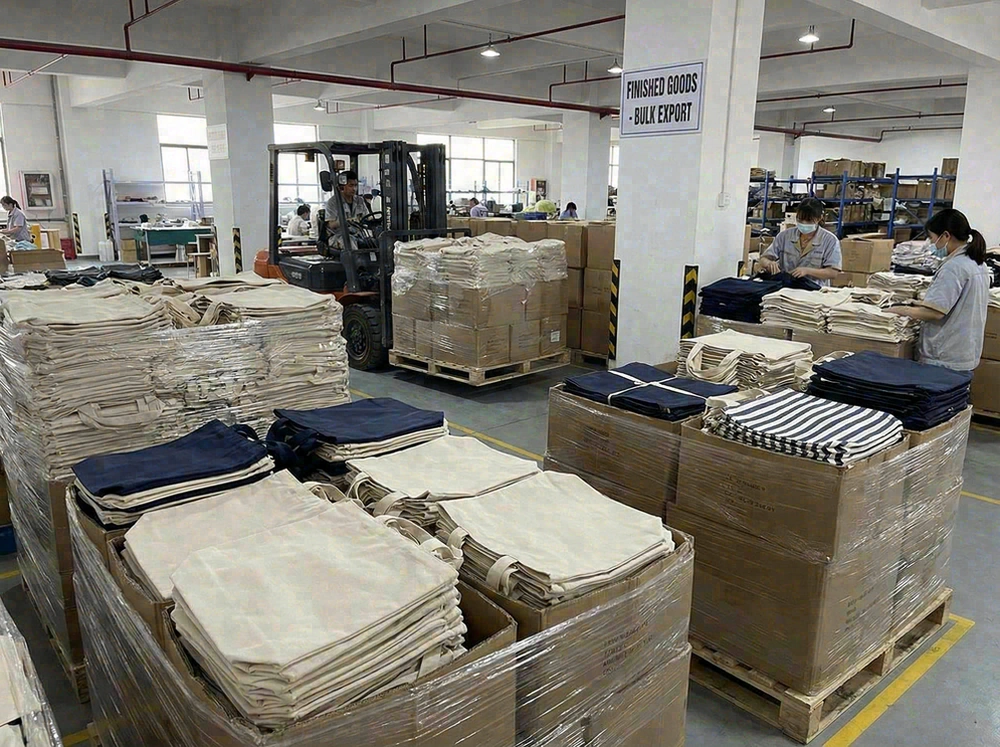
Bulk Packaging for B2B Orders
For wholesale orders, packaging strategy differs significantly from retail presentation:
Minimal Packaging Approach
- Skip individual wrapping for B2B bulk orders
- Use collective cardboard cartons (recycled/recyclable)
- Paper dividers between bags prevent scratching
- Significant cost savings and waste reduction
Retail-Ready Packaging
- Individual packaging for DTC brands
- Branded kraft paper or cotton dust bags
- Adds perceived value and unboxing experience
- Higher cost but supports retail pricing
Cost Implications of Sustainable Packaging
Sustainable packaging typically adds $0.10-1.00 per unit depending on choices. Here's how to manage costs:
- Volume pricing: Sustainable packaging costs drop 20-40% at higher MOQs
- Right-size packaging: Avoid over-packaging—smaller packages cost less
- Simplify choices: Fewer SKUs = bulk ordering = lower unit costs
- Factor into pricing: Eco-conscious customers accept small premiums
Cost Comparison Example
Standard beach bag order (500 units):
- Plastic poly bag: $0.05 × 500 = $25
- Kraft paper bag: $0.08 × 500 = $40 (+$15)
- Cotton dust bag: $0.80 × 500 = $400 (+$375)
Communicating Sustainability to Customers
Sustainable packaging only creates value when customers notice and appreciate it:
On-Package Messaging
- "100% Recyclable Packaging"
- "Plastic-Free" with icon
- Disposal instructions
- Certification logos (FSC, etc.)
Extended Communication
- QR code to sustainability page
- Package insert with brand story
- Social media unboxing content
- Product page sustainability section
Frequently Asked Questions
What is the most sustainable packaging for beach bags?
For most beach bags, recycled kraft paper or reusable cotton dust bags offer the best sustainability profile. Kraft paper is widely recyclable and cost-effective, while cotton dust bags add customer value and are reusable for years.
How much does eco-friendly packaging cost?
Sustainable packaging typically adds $0.05-0.50 per unit compared to plastic alternatives. Kraft paper bags cost around $0.08, compostable bags $0.25-0.40, and cotton dust bags $0.50-2.00. Costs decrease significantly at higher volumes.
Can sustainable packaging protect products during shipping?
Yes. Recycled cardboard boxes provide excellent protection. Honeycomb paper wrap cushions as effectively as bubble wrap. For moisture-sensitive products, consider wax-coated paper or PLA bags which offer water resistance while remaining eco-friendly.
What certifications should eco-friendly packaging have?
Look for FSC certification for paper products, OK Compost or TUV Austria for compostable items, and How2Recycle labels for clear recycling instructions. These third-party certifications validate sustainability claims and build customer trust.
How do I communicate sustainability to customers?
Print clear messaging directly on packaging ("100% Recyclable"), include disposal instructions, add certification logos, and consider QR codes linking to your sustainability page. The packaging itself should visibly demonstrate your commitment through material choices.
Sustainable Packaging Solutions from Clanbag
Clanbag offers eco-friendly packaging options with all beach bag orders. From recyclable kraft paper to custom cotton dust bags, we help brands align packaging with sustainability commitments.
- + Kraft paper and recycled cardboard standard options
- + Custom cotton dust bags available
- + Eco-printed hangtags and labels
- + Bulk packaging for B2B efficiency
Conclusion
Sustainable packaging for beach bags is increasingly expected by retailers, consumers, and regulatory bodies. The good news: eco-friendly options now exist at every price point, from simple kraft paper to premium cotton dust bags.
Key takeaways:
- Start simple: Kraft paper replaces plastic at minimal cost increase
- Match your brand: Premium products warrant premium eco-packaging
- Communicate value: Sustainability only works when customers notice
- Consider B2B needs: Bulk packaging differs from retail presentation
Work with your manufacturer early in the product development process to align packaging choices with your sustainability goals and budget.